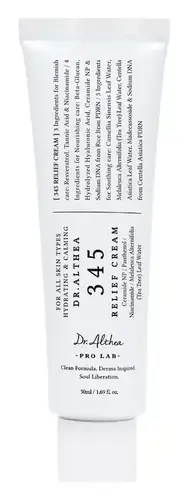
This hydrating overnight mask is formulated around Panthenol and Niacinamide to hydrate skin and strengthen the skin barrier.
This hydrating overnight mask is formulated around Oryza Sativa Extract and Niacinamide to hydrate skin and brighten dull-looking skin.

What's inside
What's inside
 Key Ingredients
Benefits
Concerns
Ingredients Side-by-side
Water
Skin ConditioningGlycerin
Humectant


Helianthus Annuus Seed Oil
Emollient


Dicaprylyl Carbonate
EmollientGlyceryl Stearate
Emollient
1,2-Hexanediol
Skin Conditioning
Cetyl Alcohol
Emollient

Panthenol
Skin Conditioning

Betaine
Humectant
Polyglyceryl-3 Methylglucose Distearate
Emulsifying
Butylene Glycol
Humectant
Cetearyl Olivate
Niacinamide
Smoothing







Glyceryl Stearate Citrate
Emollient
Macadamia Seed Oil Polyglyceryl-6 Esters Behenate
Emollient
Lithospermum Erythrorhizon Root Extract
Skin ConditioningMacadamia Ternifolia Seed Oil
Emollient
Daucus Carota Sativa Root Extract
Skin Conditioning
Tocopherol
Antioxidant

Sorbitan Olivate
Emulsifying
Palmitic Acid
Emollient


Stearic Acid
Cleansing
Lactobacillus/Soybean Ferment Extract
Skin ConditioningCitrus Aurantium Dulcis Peel Oil
Masking
Saccharomyces/Potato Extract Ferment Filtrate
Humectant
Saccharomyces/Barley Seed Ferment Filtrate
HumectantCarthamus Tinctorius Flower Extract
Skin ConditioningDextrin
AbsorbentTromethamine
BufferingTrisodium EDTA
ChelatingXanthan Gum
EmulsifyingCarbomer
Emulsion StabilisingJuniperus Mexicana Oil
Masking
Glycine Soja Oil
Emollient
Limonene
Perfuming

Water, Glycerin, Helianthus Annuus Seed Oil, Dicaprylyl Carbonate, Glyceryl Stearate, 1,2-Hexanediol, Cetyl Alcohol, Panthenol, Betaine, Polyglyceryl-3 Methylglucose Distearate, Butylene Glycol, Cetearyl Olivate, Niacinamide, Glyceryl Stearate Citrate, Macadamia Seed Oil Polyglyceryl-6 Esters Behenate, Lithospermum Erythrorhizon Root Extract, Macadamia Ternifolia Seed Oil, Daucus Carota Sativa Root Extract, Tocopherol, Sorbitan Olivate, Palmitic Acid, Stearic Acid, Lactobacillus/Soybean Ferment Extract, Citrus Aurantium Dulcis Peel Oil, Saccharomyces/Potato Extract Ferment Filtrate, Saccharomyces/Barley Seed Ferment Filtrate, Carthamus Tinctorius Flower Extract, Dextrin, Tromethamine, Trisodium EDTA, Xanthan Gum, Carbomer, Juniperus Mexicana Oil, Glycine Soja Oil, Limonene
Oryza Sativa Extract
Absorbent
Butylene Glycol
Humectant
Glycerin
Humectant
Helianthus Annuus Seed Oil
Emollient
Betaine
Humectant
Niacinamide
Smoothing
Dimethicone
Emollient
1,2-Hexanediol
Skin Conditioning
Cetearyl Olivate
Sorbitan Olivate
Emulsifying
Elaeis Guineensis Oil
Emollient
Elaeis Guineensis Kernel Oil
Emollient
Hydroxyethyl Acrylate/Sodium Acryloyldimethyl Taurate Copolymer
Emulsion StabilisingCetearyl Alcohol
Emollient
Ethylhexylglycerin
Skin ConditioningArginine
Masking
Carbomer
Emulsion StabilisingAllantoin
Skin Conditioning
Xanthan Gum
EmulsifyingOryza Sativa Extract, Butylene Glycol, Glycerin, Helianthus Annuus Seed Oil, Betaine, Niacinamide, Dimethicone, 1,2-Hexanediol, Cetearyl Olivate, Sorbitan Olivate, Elaeis Guineensis Oil, Elaeis Guineensis Kernel Oil, Hydroxyethyl Acrylate/Sodium Acryloyldimethyl Taurate Copolymer, Cetearyl Alcohol, Ethylhexylglycerin, Arginine, Carbomer, Allantoin, Xanthan Gum
Reviews
Ingredients Explained
These ingredients are found in both products.
Ingredients higher up in an ingredient list are typically present in a larger amount.
1,2-Hexanediol is a synthetic liquid and another multi-functional powerhouse.
It is a:
- Humectant, drawing moisture into the skin
- Emollient, helping to soften skin
- Solvent, dispersing and stabilizing formulas
- Preservative booster, enhancing the antimicrobial activity of other preservatives
Betaine is a humectant. Like hyaluronic acid, it helps attract and retain moisture in the skin. It’s known for being gentle and for helping the skin maintain balanced hydration.
Betaine is mainly used to improve hydration and support calmer skin. It helps skin cells regulate water balance because it functions as an osmolyte.
Some studies suggest betaine may support making skin tone more even.
Fun fact: Betaine naturally exists in the skin and the body. In cosmetic products, it can be either plant-derived (most commonly from sugar beets) or synthetically produced for consistency and stability.
Betaine is also known as trimethylglycine.
Learn more about BetaineButylene Glycol (or BG) is used within cosmetic products for a few different reasons:
Overall, Butylene Glycol is a safe and well-rounded ingredient that works well with other ingredients.
Though this ingredient works well with most skin types, some people with sensitive skin may experience a reaction such as allergic rashes, closed comedones, or itchiness.
Learn more about Butylene GlycolCarbomer is a synthetic thickening and gelling agent. It's basically the ingredient that gives a lot of serums, gels, creams, and sunscreens their smooth, non-sticky texture.
Although legally permitted at very high levels, carbomers are normally used at concentrations below 1%.
It also needs to be neutralized to actually thicken, and because it is a large molecule, it doesn't really penetrate the skin barrier.
Allergy-wise, the risk is very low. Clinical studies show carbomers have low potential for skin irritation/sensitization even at concentrations up to 100%.
A 2024 UK study patch-tested 1,302 patients and found true allergy to the parent group of carbomer to be rare with no confirmed relevant reactions.
Learn more about CarbomerCetearyl Olivate is a plant-derived emulsifier and texture enhancer. It helps keep the oil and water phases from separating so your formulas stay stable.
You'll likely see it combined with Sorbitan Olivate (together sold as the trade name Olivem 1000). This combination generates a liquid crystal structure that closely resemble the lipid organization of the stratum corneum.
These "skin-like" liquid crystals improve skin barrier integrity and promote the delivery of actives into the skin.
This ingredient is well-tolerated and has no significant sensitization data.
Because it is derived from the fatty acids in olive oil, this ingredient may not be fungal acne safe.
Learn more about Cetearyl OlivateGlycerin (or glycerol) is a compound naturally found in your skin. It's a powerhouse humectant that pulls water into the stratum corneum.
Topically, glycerin does several things at once:
Your skin makes glycerin on its own (mostly from sebaceous oil breakdown) and shuttles it to your outermost layer of skin, or your epidermis, via aquaporin-3.
Aquaporin-3 is a transporter that is essential for normal skin hydration, elasticity, and repair. Interestingly, mice lacking in AQP3 have dry and less elastic skin that can be fully corrected with glycerin.
This ingredient is non-irritating, plays well with almost every ingredient, and works across all skin types. Typical use is anywhere between 3-10% but can go up to 79% in some leave-on products.
Just know very high concentrations (>40%) can feel tacky in low humidity.
Glycerin is the name for this ingredient in American English. British English uses Glycerol/Glycerine.
Learn more about GlycerinHelianthus Annuus Seed Oil is a plant oil derived from the seeds of a sunflower.
It is rich in fatty acids, primarily linoleic acid and oleic acid. This gives it emollient and skin conditioning properties.
The reason this ingredient is so effective is because it forms a thin film on the skin that reduces transepidermal water loss (TEWL) while supplying linoleic acid to the stratum corneum to improve barrier strength.
The high linoleic acid content is particularly noteworthy for acne-prone skin.
Research suggests that acne-prone skin tends to be deficient in linoleic acid in sebum. Topical application may help replenish this to support a healthier follicular environment and less comedone-promoting sebum.
One randomized study found sunflower seed oil preserved skin barrier integrity in adult volunteers with and without atopic dermatitis (outperforming olive oil).
This ingredient is well-studied, gentle, and an effective emollient suitable for most skin types.
On fungal acne: This ingredient may not be Fungal acne (Malassezia folliculitis) safe. This is because it contains fatty acids with carbon chain lengths in the C11-C24 range.
Learn more about Helianthus Annuus Seed OilNiacinamide is a multitasking form of vitamin B3 that strengthens the skin barrier, reduces pores and dark spots, regulates oil, and improves signs of aging.
And the best part? It's gentle and well-tolerated by most skin types, including sensitive and reactive skin.
You might have heard of "niacin flush", or the reddening of skin that causes itchiness. Niacinamide has not been found to cause this.
In very rare cases, some individuals may not be able to tolerate niacinamide at all or experience an allergic reaction to it.
If you are experiencing flaking, irritation, and dryness with this ingredient, be sure to double check all your products as this ingredient can be found in all categories of skincare.
When incorporating niacinamide into your routine, look out for concentration amounts. Typically, 5% niacinamide provides benefits such as fading dark spots. However, if you have sensitive skin, it is better to begin with a smaller concentration.
When you apply niacinamide to your skin, your body converts it into nicotinamide adenine dinucleotide (NAD). NAD is an essential coenzyme that is already found in your cells as "fuel" and powers countless biological processes.
In your skin, NAD helps repair cell damage, produce new healthy cells, support collagen production, strengthen the skin barrier, and fight environmental stressors (like UV and pollution).
Our natural NAD levels start to decline with age, leading to slower skin repair, visible aging, and a weaker skin barrier. By providing your skin niacinamide, you're recharging your skin's NAD levels. This leads to stronger, healthier, and younger looking skin.
Another name for vitamin B3 is nicotinamide. This vitamin is water-soluble and our bodies don't store it. We obtain Vitamin B3 from either food or skincare. Meat, fish, wheat, yeast, and leafy greens contain vitamin B3.
The type of niacinamide used in skincare is synthetically created.
Learn more about NiacinamideSorbitan Olivate is created from the fatty acids in olive oil and sorbitol.
This ingredient is an oil in water emulsifier. It helps stabilize a product by preventing oils and waters from separating. Sorbitan Olivate also helps hydrate the skin.
This ingredient is also known as part of Olivem 1000, with Cetearyl Olivate being the other part.
According to a manufacturer, this ingredient helps preserve the natural microbiome of skin. Having a healthy microbiome helps keep our skin healthy and protects against harmful bacteria.
Please note, having a healthy microbiome is different from fungal acne; a healthy microbiome includes small amounts of yeast that normally live on your skin without causing problems.
Fungal acne happens when one type of yeast (Malassezia) grows out of control. This is usually because it's feeding on certain oils or fatty acids. Due to the olive oil base, this ingredient may not be fungal acne safe.
Learn more about Sorbitan OlivateXanthan gum is used as a stabilizer and thickener within cosmetic products. It helps give products a sticky, thick feeling - preventing them from being too runny.
On the technical side of things, xanthan gum is a polysaccharide - a combination consisting of multiple sugar molecules bonded together.
Xanthan gum is a pretty common and great ingredient. It is a natural, non-toxic, non-irritating ingredient that is also commonly used in food products.
Learn more about Xanthan Gum