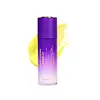
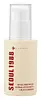
Truth & Beauty Smart Ageing Complex Versus K-Secret Seoul 1988 Serum Retinal Liposome 2% + Black Ginseng
This anti-aging serum is formulated around Centella Asiatica Extract and Bakuchiol to soften the look of wrinkles and strengthen the skin barrier.
This anti-aging serum is formulated around Panax Ginseng Root Extract and Niacinamide to soften the look of wrinkles and refine skin texture.


What's inside
What's inside
 Key Ingredients
Benefits
Concerns
Ingredients Side-by-side
Daucus Carota Sativa Root Extract
Skin Conditioning
Centella Asiatica Extract
Cleansing




Panax Ginseng Extract
Antioxidant
Caprylic/Capric Triglyceride
Masking

Oleyl Erucate
Emollient

Glycerin
Humectant
Hydroxypropyl Cyclodextrin
MaskingTriheptanoin
Skin ConditioningCetearyl Olivate
Sorbitan Olivate
Emulsifying
Tocopheryl Acetate 1%
Antioxidant

Hydroxyethyl Acrylate/Sodium Acryloyldimethyl Taurate Copolymer
Emulsion StabilisingPentylene Glycol
Skin Conditioning
Phospholipids 0.5%
Skin Conditioning
Panthenol 0.5%
Skin Conditioning
Betaine 0.5%
Humectant
Tocopherol 0.5%
Antioxidant
Rubus Chamaemorus Seed Oil
Skin Conditioning
Lecithin
Emollient
Bakuchiol 0.5%
Antimicrobial

Biosaccharide Gum-1 0.3%
Humectant
Ectoin 0.3%
Skin Conditioning
Allantoin 0.2%
Skin Conditioning
Phenoxyethanol
Preservative
Ethylhexylglycerin
Skin ConditioningRetinal 0.03%
Skin Conditioning



Citric Acid
Buffering
Disodium EDTA
ChelatingDaucus Carota Sativa Root Extract, Centella Asiatica Extract, Panax Ginseng Extract, Caprylic/Capric Triglyceride, Oleyl Erucate, Glycerin, Hydroxypropyl Cyclodextrin, Triheptanoin, Cetearyl Olivate, Sorbitan Olivate, Tocopheryl Acetate 1%, Hydroxyethyl Acrylate/Sodium Acryloyldimethyl Taurate Copolymer, Pentylene Glycol, Phospholipids 0.5%, Panthenol 0.5%, Betaine 0.5%, Tocopherol 0.5%, Rubus Chamaemorus Seed Oil, Lecithin, Bakuchiol 0.5%, Biosaccharide Gum-1 0.3%, Ectoin 0.3%, Allantoin 0.2%, Phenoxyethanol, Ethylhexylglycerin, Retinal 0.03%, Citric Acid, Disodium EDTA
Panax Ginseng Root Extract
Emollient
Water
Skin ConditioningGlycerin
Humectant
Dipropylene Glycol
HumectantCaprylic/Capric Triglyceride
Masking
1,2-Hexanediol
Skin Conditioning
Niacinamide
Smoothing
Butylene Glycol
Humectant
Methyl Gluceth-20
Humectant
Polyglyceryl-3 Methylglucose Distearate
Emulsifying
Hydrogenated Lecithin
Emulsifying
Sorbitan Stearate
Emulsifying
Ammonium Acryloyldimethyltaurate/Vp Copolymer
Macadamia Ternifolia Seed Oil
Emollient
Carbomer
Emulsion StabilisingTromethamine
BufferingBetaine
Humectant
Tocopherol
Antioxidant
Ethylhexylglycerin
Skin ConditioningHelianthus Annuus Seed Oil
Emollient
Adenosine
Skin Conditioning
Disodium EDTA
ChelatingCholesterol
Emollient
Polyglyceryl-10 Oleate
Skin Conditioning
Brassica Campestris Sterols
EmollientPhytosteryl/Behenyl/Octyldodecyl Lauroyl Glutamate
Skin ConditioningRetinal
Skin Conditioning
Silica
Abrasive
Aluminum/Magnesium Hydroxide Stearate
Emulsion StabilisingPotassium Cetyl Phosphate
EmulsifyingPentaerythrityl Tetra-Di-T-Butyl Hydroxyhydrocinnamate
Antioxidant
Arctium Lappa Root Extract
Skin Conditioning
Cnidium Officinale Root Extract
Skin ConditioningDioscorea Japonica Root Extract
Skin Conditioning
Paeonia Suffruticosa Root Extract
Skin ProtectingRehmannia Chinensis Root Extract
Skin Conditioning3-O-Ethyl Ascorbic Acid
Skin Conditioning
Bakuchiol
Antimicrobial
Sh-Oligopeptide-1
Skin Conditioning
Sh-Oligopeptide-2
Skin Conditioning
Sh-Polypeptide-1
Skin Conditioning
Panax Ginseng Root Extract, Water, Glycerin, Dipropylene Glycol, Caprylic/Capric Triglyceride, 1,2-Hexanediol, Niacinamide, Butylene Glycol, Methyl Gluceth-20, Polyglyceryl-3 Methylglucose Distearate, Hydrogenated Lecithin, Sorbitan Stearate, Ammonium Acryloyldimethyltaurate/Vp Copolymer, Macadamia Ternifolia Seed Oil, Carbomer, Tromethamine, Betaine, Tocopherol, Ethylhexylglycerin, Helianthus Annuus Seed Oil, Adenosine, Disodium EDTA, Cholesterol, Polyglyceryl-10 Oleate, Brassica Campestris Sterols, Phytosteryl/Behenyl/Octyldodecyl Lauroyl Glutamate, Retinal, Silica, Aluminum/Magnesium Hydroxide Stearate, Potassium Cetyl Phosphate, Pentaerythrityl Tetra-Di-T-Butyl Hydroxyhydrocinnamate, Arctium Lappa Root Extract, Cnidium Officinale Root Extract, Dioscorea Japonica Root Extract, Paeonia Suffruticosa Root Extract, Rehmannia Chinensis Root Extract, 3-O-Ethyl Ascorbic Acid, Bakuchiol, Sh-Oligopeptide-1, Sh-Oligopeptide-2, Sh-Polypeptide-1
Reviews
Ingredients Explained
These ingredients are found in both products.
Ingredients higher up in an ingredient list are typically present in a larger amount.
Bakuchiol is a plant-derived antioxidant from the seeds of the Psoralea corylifolia plant. It has antimicrobial, emollient, skin conditioning, and antioxidant properties.
You'll likely see it called a "retinol replacement" but the two are technically not related. This is because bakuchiol is able to flip many of the same switches in your skin cells to tell them to:
1) produce more collagen (type I, III, and IV)
2) activate the same genes retinoids do
Unlike retinoids, this ingredient will not increase photosensitivity and is safe to use during pregnancy (but please still check in with your doctor!).
The flagship clinical trial from Dhaliwal et al. 2019 found 0.5% bakuchiol (twice daily) and 0.5% retinol (once daily) reduced wrinkles and hyperpigmentation equally, but bakuchiol had significantly less irritation.
Systematic reviews also back this up:
Bakuchiol is comparable to retinol for photoaging but with better tolerability. It also has mild antibacterial properties against Cutibacterium acnes and antifungal activity in vitro against Candida and dermatophytes.
The reason bakuchiol works well is due to its structure; it is a meroterpene phenol, or a hybrid molecule. The phenol half acts as an antioxidant while the terpene half is fat-loving. This helps the molecule slip through the skin barrier.
This ingredient is usually used between 0.5-2%. Only one case of contact dermatitis has ever been reported for this ingredient.
Learn more about BakuchiolBetaine is a humectant. Like hyaluronic acid, it helps attract and retain moisture in the skin. It’s known for being gentle and for helping the skin maintain balanced hydration.
Betaine is mainly used to improve hydration and support calmer skin. It helps skin cells regulate water balance because it functions as an osmolyte.
Some studies suggest betaine may support making skin tone more even.
Fun fact: Betaine naturally exists in the skin and the body. In cosmetic products, it can be either plant-derived (most commonly from sugar beets) or synthetically produced for consistency and stability.
Betaine is also known as trimethylglycine.
Learn more about BetaineCaprylic/Capric Triglyceride (aka MCT Oil) is a lightweight emollient, solvent, and texture enhancer. It is considered a skin-softener by helping to prevent moisture loss.
Though it behaves like an oil, it is not technically one due to its chemical composition. One perk of this ingredient is that it is very stable, resistant to oxidation, and unlikely to go rancid.
In practice, that translates to a long shelf life and a consistently elegant skin feel.
While there is an assumption Caprylic Triglyceride can clog pores due to it being derived from coconut oil, there is no research supporting this. Just patch test if you have concerns.
Fractionated coconut oil and MCT Oil are both listed as Caprylic/Capric Triglyceride according to INCI. This is because INCI names are based on the ingredient’s final chemical composition and not its marketing name or source.
This ingredient is treated as the gold standard fungal acne safe oil. Even though it is coconut derived, the problematic lauric acid is stripped out.
This leaves just caprylic (C8) and capric (C10) acid. These chain lengths actually trend antifungal; a 2020 study found caprylic acid was enough to disrupt Malassezia furfur cell membrane, with a caprylic acid derivative damaging membrane structures at concentrations as low as 0.2%.
Learn more about Caprylic/Capric TriglycerideDisodium EDTA is a chelating agent. It grabs onto and deactivates metal ions that sneak into your products from water, packaging, or air.
This ingredient mainly works behind the scenes and helps with:
On top of that, this ingredient can counteract the effects of hard water by binding to the minerals in it.
One thing worth knowing is that Disodium EDTA has been shown to be a mild penetration enhancer. It can help other ingredients absorb into skin more effectively which can be a double-edged sword (great for actives, but can also make the active too strong if you have sensitive skin).
Clinical patch testing showed no significant skin irritation at typical use concentrations and minimal dermal absorption.
You'll most likely see this ingredient near the end of an ingredient list. It's typically found in concentrations less than 1%.
Learn more about Disodium EDTAEthylhexylglycerin is created from glycerin. It is a multitasker ingredient that:
The CIR Expert Panel found minimal skin absorption or sensitization of any kind in a safety assessment. Though this ingredient is considered well-tolerated, a small number of cases of allergic dermatitis have been published since 2002. Just be sure to patch test if you are unsure.
Industry-reported use ranges from 8% in rinse-off products and 2% in leave-on formulations.
Learn more about EthylhexylglycerinGlycerin (or glycerol) is a compound naturally found in your skin. It's a powerhouse humectant that pulls water into the stratum corneum.
Topically, glycerin does several things at once:
Your skin makes glycerin on its own (mostly from sebaceous oil breakdown) and shuttles it to your outermost layer of skin, or your epidermis, via aquaporin-3.
Aquaporin-3 is a transporter that is essential for normal skin hydration, elasticity, and repair. Interestingly, mice lacking in AQP3 have dry and less elastic skin that can be fully corrected with glycerin.
This ingredient is non-irritating, plays well with almost every ingredient, and works across all skin types. Typical use is anywhere between 3-10% but can go up to 79% in some leave-on products.
Just know very high concentrations (>40%) can feel tacky in low humidity.
Glycerin is the name for this ingredient in American English. British English uses Glycerol/Glycerine.
Learn more about GlycerinRetinal (aka retinaldehyde) is a form of retinoid that formulators use mainly as an antiaging and skin-renewing active.
What makes it special is its position in the retinoid family; skin converts it to retinoic acid (the prescription gold standard) in just one step.
Because retinal only requires 1 conversion step to become retinoic acid, it's the strongest over-the-counter retinoid. It also works at lower concentrations than retinol, since retinal is about 10x more bioavailable.
Studies back up its efficacy in skin:
A foundational trial showed that applying 0.05-0.5% retinal for 1-3 months produced a dose-dependent and significant increase in epidermal thickness + cell turnover markers.
And a head-to-head comparison of 0.05% retinal against a 0.05% retinoid acid found both formulations were effective for the basis of wrinkle/skin roughness features, but retinoic acid caused more local irritation.
More recent controlled trials confirm it improves wrinkles, dermal density, and firmness over 12-24 weeks, with significant improvements in skin texture and firmness (particularly with the higher 0.1% concentration).
Retinal also has one trick the other retinoids do not: it directly fights against acne bacteria since a clinical study showed retinaldehyde-treated areas displayed a significant decrease in counts of viable P. acnes.
This makes it a great pick for people who want to treat aging and breakouts.
Typical cosmetic use sits in the 0.05-0.1% range with 0.05% being the gentle starting point and 0.1% giving stronger results.
Like all retinoids, retinal works best with nightly use, a good moisturizer, and daytime sunscreen. It can cause some irritation so ease into it slowly rather than going all in.
The "ramp up" method works well: start with Retinal once a week to give your skin time to adjust, which keeps irritation low.
Slowly add more nights until you reach your goal frequency once your skin feels comfortable.
Retinoids also make your skin more sensitive to the sun in the first few weeks, so wear sunscreen every morning and protect your skin from direct sun while you build up tolerance.
Learn more about RetinalTocopherol is a fat-soluble antioxidant known as Vitamin E.
You'll find this ingredient in the vast majority of skincare (for good reason). It works to neutralize free radicals, or unstable molecules generated by UV exposure, pollution, and other environmental stressors, before they can cause oxidative damage to your skin cells.
Topically applied tocopherol has been shown to protect against UV damage by ramping up the skin's own natural defense enzymes.
It also acts as a skin conditioning agent; some studies show that regular topical use can improve the skin's water-binding capacity over 2-4 weeks.
This ingredient is especially loved for being a team player. When combined with Vitamin C, the photoprotective effect of both ingredients roughly doubles and the combo also helps reduce UV-induced DNA damage.
This ingredient has some brightening potential but it's more of a prevention ingredient than spot-fader. Cell studies show it can slow down melanin production but it's worth noting that it's not the most powerful brightener out there.
In formulations, it also serves as a stabilizer that helps protect other oxidation-prone ingredients from degrading.
Concentrations usually range from 0.1-1% in most leave-on products.
Learn more about Tocopherol

