Torriden Cellmazing Brightening Spot Toning Pad Versus Luxe Organix Clinical Pro Vita C20 Booster Serum
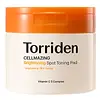
This brightening toner pad uses a pre-saturated pad with Niacinamide and 3-O-Ethyl Ascorbic Acid to fade the look of dark spots and brighten dull-looking skin.
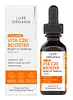
This brightening serum is formulated around Ascorbyl Glucoside and Thioctic Acid to brighten dull-looking skin and fade the look of dark spots.


What's inside
What's inside
 Key Ingredients
Benefits
Concerns
Ingredients Side-by-side
Water
Skin ConditioningGlycerin
Humectant


Propanediol
Solvent
Niacinamide
Smoothing









1,2-Hexanediol
Skin Conditioning
3-O-Ethyl Ascorbic Acid
Skin Conditioning
Panthenol
Skin Conditioning
Adenosine
Skin Conditioning
Allantoin
Skin Conditioning
Tocopherol
Antioxidant

Ascorbyl Glucoside
Antioxidant
Ascorbyl Palmitate
Antioxidant

Ascorbic Acid
Antioxidant
Ascorbyl Tetraisopalmitate
Antioxidant
Glutathione
Sodium Hyaluronate
Humectant
Ethylhexylglycerin
Skin ConditioningHydroxyethyl Acrylate/Sodium Acryloyldimethyl Taurate Copolymer
Emulsion StabilisingSorbitan Isostearate
Emulsifying
2,3-Butanediol
HumectantLecithin
Emollient
Polyglyceryl-4 Oleate
Emulsifying
Sodium Stearoyl Glutamate
CleansingXanthan Gum
EmulsifyingSucrose
Humectant
Dextrin
AbsorbentGluconolactone
Chelating
Gardenia Florida Fruit Extract
Skin ConditioningCarthamus Tinctorius Flower Extract
Skin ConditioningWater, Glycerin, Propanediol, Niacinamide, 1,2-Hexanediol, 3-O-Ethyl Ascorbic Acid, Panthenol, Adenosine, Allantoin, Tocopherol, Ascorbyl Glucoside, Ascorbyl Palmitate, Ascorbic Acid, Ascorbyl Tetraisopalmitate, Glutathione, Sodium Hyaluronate, Ethylhexylglycerin, Hydroxyethyl Acrylate/Sodium Acryloyldimethyl Taurate Copolymer, Sorbitan Isostearate, 2,3-Butanediol, Lecithin, Polyglyceryl-4 Oleate, Sodium Stearoyl Glutamate, Xanthan Gum, Sucrose, Dextrin, Gluconolactone, Gardenia Florida Fruit Extract, Carthamus Tinctorius Flower Extract
Water
Skin ConditioningAscorbyl Glucoside
Antioxidant
Propylene Glycol
Humectant
Thioctic Acid
Antioxidant
Propanediol
Solvent
Niacinamide
Smoothing
Dimethyl Isosorbide
SolventPhenoxyethanol
Preservative
Chlorphenesin
Antimicrobial
Chondrus Crispus Extract
Skin Conditioning
Xanthan Gum
EmulsifyingSodium Polyacrylate
Absorbent
Sodium Hydroxide
BufferingSodium Citrate
BufferingTrisodium Ethylenediamine Disuccinate
ChelatingCaprylyl Glycol
Emollient
Gluconolactone
Chelating
Citric Acid
Buffering
Sodium Benzoate
Masking
Sodium Hyaluronate
Humectant
Water, Ascorbyl Glucoside, Propylene Glycol, Thioctic Acid, Propanediol, Niacinamide, Dimethyl Isosorbide, Phenoxyethanol, Chlorphenesin, Chondrus Crispus Extract, Xanthan Gum, Sodium Polyacrylate, Sodium Hydroxide, Sodium Citrate, Trisodium Ethylenediamine Disuccinate, Caprylyl Glycol, Gluconolactone, Citric Acid, Sodium Benzoate, Sodium Hyaluronate
Reviews
Ingredients Explained
These ingredients are found in both products.
Ingredients higher up in an ingredient list are typically present in a larger amount.
Ascorbyl Glucoside (AA-2G) is one of the most stable vitamin C derivatives out there.
It's made by attaching a glucose molecule to ascorbic acid; this glucose "cap" shields the vitamin C from air, light, heat, and metal ions that normally cause pure ascorbic acid to oxidize.
Once on your skin, the enzyme alpha-glucosidase snips off the glucose and gradually releases active ascorbic acid right where it's needed. Basically, it behaves like a slow-release pro-vitamin C with less of a stinging that high-strength ascorbic acid can cause.
The research supports the classic vitamin C benefits as well. In lab and human studies, AA-2G slowed down the skin's production of melanin (the pigment behind dark spots) and helped shield skin cells against sun damage better than ascorbyl phosphate.
These studies also showed AA-2G released vitamin C over a longer period.
A frequently cited manufacturer trial found that a 2% AA-2G face cream significantly improved wrinkle depth and skin roughness after 45 days.
And in 2009, a clinical trial showed it meaningfully lightened dark patches on the gums compared to a placebo.
There's also collagen-synthesis support (since vitamin C is a required cofactor for that) and an antioxidant effect too.
Typical usage is usually between 0.5-5% and most studies/products land around 2%.
AA-2G performs best when formulated at a mildly acidic pH (~5-7) which is much gentler than the pH that pure vitamin C demands (~2.5-3.5).
Just one thing worth knowing: the in-skin conversation rate is only about 55-60% by weight. So a 5% AA-2G product delivers roughly 2.75-3% of actual active vitamin C. On top of that, skin absorption is relatively low because the ingredient is water-soluble.
Learn more about Ascorbyl GlucosideGluconolactone is a PHA. PHAs are a great gentle alternative to traditional AHAs.
When applied, Gluconolactone has the same affect on skin as AHAs such as lactic acid. It helps dissolve the dead skin cells in the top layer of your skin. This improves texture and brightens the skin.
PHAs are more gentle than AHAs due to their larger structure. They do not penetrate as deeply as AHAs and take a longer time to dissolve dead cells. Studies show PHAs do not cause as much irritation.
Gluconolactone has some interesting properties:
In a 2004 study, Gluconolactone was found to prevent UV damage in mouse skin cells and has not been found to increase sun sensitivity. However, we still recommend wearing SPF daily.
This ingredient is is an created by reacting gluconic acid with an alcohol.
Learn more about GluconolactoneNiacinamide is a multitasking form of vitamin B3 that strengthens the skin barrier, reduces pores and dark spots, regulates oil, and improves signs of aging.
And the best part? It's gentle and well-tolerated by most skin types, including sensitive and reactive skin.
You might have heard of "niacin flush", or the reddening of skin that causes itchiness. Niacinamide has not been found to cause this.
In very rare cases, some individuals may not be able to tolerate niacinamide at all or experience an allergic reaction to it.
If you are experiencing flaking, irritation, and dryness with this ingredient, be sure to double check all your products as this ingredient can be found in all categories of skincare.
When incorporating niacinamide into your routine, look out for concentration amounts. Typically, 5% niacinamide provides benefits such as fading dark spots. However, if you have sensitive skin, it is better to begin with a smaller concentration.
When you apply niacinamide to your skin, your body converts it into nicotinamide adenine dinucleotide (NAD). NAD is an essential coenzyme that is already found in your cells as "fuel" and powers countless biological processes.
In your skin, NAD helps repair cell damage, produce new healthy cells, support collagen production, strengthen the skin barrier, and fight environmental stressors (like UV and pollution).
Our natural NAD levels start to decline with age, leading to slower skin repair, visible aging, and a weaker skin barrier. By providing your skin niacinamide, you're recharging your skin's NAD levels. This leads to stronger, healthier, and younger looking skin.
Another name for vitamin B3 is nicotinamide. This vitamin is water-soluble and our bodies don't store it. We obtain Vitamin B3 from either food or skincare. Meat, fish, wheat, yeast, and leafy greens contain vitamin B3.
The type of niacinamide used in skincare is synthetically created.
Learn more about NiacinamidePropanediol is an all-star ingredient. It softens, hydrates, and smooths the skin.
It’s often used to:
Propanediol is not likely to cause sensitivity and considered safe to use. It is derived from corn or petroleum with a clear color and no scent.
Learn more about PropanediolSodium Hyaluronate is the salt form of hyaluronic acid. It is a long sugar chain that is naturally found in your skin, joints, and connective tissue that maintains hydration and elasticity.
In skincare, it works as a humectant. It pulls water from the environment and deeper layers of skin and binds it to the surface.
Interestingly, the size of the molecule affects its behavior:
Some clinical evidence links low molecular weight versions to improved wrinkle depth, elasticity, anti-inflammatory effects, and barrier repair.
Many serums use a blend of both weights so you can get surface hydration plus longer-lasting and deeper effects.
You'll typically see concentrations between 0.1-2% for this ingredient.
Learn more about Sodium HyaluronateWater. It's the most common cosmetic ingredient of all. You'll usually see it at the top of ingredient lists, meaning that it makes up the largest part of the product.
So why is it so popular? Water most often acts as a solvent - this means that it helps dissolve other ingredients into the formulation.
You'll also recognize water as that liquid we all need to stay alive. If you see this, drink a glass of water. Remember to stay hydrated!
Learn more about WaterXanthan gum is used as a stabilizer and thickener within cosmetic products. It helps give products a sticky, thick feeling - preventing them from being too runny.
On the technical side of things, xanthan gum is a polysaccharide - a combination consisting of multiple sugar molecules bonded together.
Xanthan gum is a pretty common and great ingredient. It is a natural, non-toxic, non-irritating ingredient that is also commonly used in food products.
Learn more about Xanthan Gum

