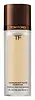
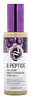
Tom Ford Traceless Soft Matte Foundation Versus Enough 8 Peptide Full Cover Perfect Foundation SPF 50+ PA+++


What's inside
What's inside
 Key Ingredients
Benefits
Concerns
Ingredients Side-by-side
Methyl Trimethicone
Skin Conditioning
Water
Skin ConditioningDimethicone
Emollient
Caprylic/Capric Triglyceride
Masking


Isocetyl Alcohol
Emollient


Butylene Glycol
Humectant
Lauryl PEG-9 Polydimethylsiloxyethyl Dimethicone
Skin Conditioning
PEG/PPG-18/18 Dimethicone
Emulsifying
Polymethyl Methacrylate

Trimethylsiloxysilicate
Emollient
Dimethicone/Vinyl Dimethicone Crosspolymer
Skin Conditioning
Phenyl Trimethicone
Skin Conditioning
Hdi/PPG/Polycaprolactone Crosspolymer
Sodium Hyaluronate
Humectant


Silybum Marianum Extract
Skin Conditioning
Laminaria Saccharina Extract
Skin ProtectingCorallina Officinalis Extract
Skin Conditioning
Sigesbeckia Orientalis Extract
Skin ConditioningCucumis Sativus Fruit Extract
Emollient
Tetrahexyldecyl Ascorbate
Antioxidant




Acetyl Hexapeptide-8
Humectant
Caffeine
Skin Conditioning
Lactis Proteinum
Skin ConditioningYeast Extract
Skin ConditioningTocopheryl Linoleate/Oleate
Antioxidant
Glycerin
Humectant
Trehalose
Humectant
Methicone
Emollient
Caprylyl Glycol
Emollient
Saccharomyces Lysate Extract
Humectant
Propylene Glycol Dicaprate
EmollientHelianthus Annuus Seed Extract
Skin Conditioning
Lavandula Angustifolia Oil
Masking




Acetyl Glucosamine
Skin Conditioning
Cholesterol
Emollient
Hordeum Vulgare Extract
EmollientGlycine Soja Protein
EmulsifyingSilica
Abrasive
Lecithin
Emollient
Sodium Chloride
MaskingMagnesium Aluminum Silicate
Absorbent
Disteardimonium Hectorite
StabilisingLauryl Methyl Gluceth-10 Hydroxypropyldimonium Chloride
Dimethicone Silylate
Xanthan Gum
EmulsifyingPEG-4 Dilaurate
Emulsifying
Calcium Chloride
AstringentLinalool
Perfuming

BHT
Antioxidant
Disodium EDTA
Potassium Sorbate
Preservative
Phenoxyethanol
Preservative
CI 77891
Cosmetic ColorantCI 77492
Cosmetic ColorantCI 77491
Cosmetic ColorantCI 77499
Cosmetic ColorantMethyl Trimethicone, Water, Dimethicone, Caprylic/Capric Triglyceride, Isocetyl Alcohol, Butylene Glycol, Lauryl PEG-9 Polydimethylsiloxyethyl Dimethicone, PEG/PPG-18/18 Dimethicone, Polymethyl Methacrylate, Trimethylsiloxysilicate, Dimethicone/Vinyl Dimethicone Crosspolymer, Phenyl Trimethicone, Hdi/PPG/Polycaprolactone Crosspolymer, Sodium Hyaluronate, Silybum Marianum Extract, Laminaria Saccharina Extract, Corallina Officinalis Extract, Sigesbeckia Orientalis Extract, Cucumis Sativus Fruit Extract, Tetrahexyldecyl Ascorbate, Acetyl Hexapeptide-8, Caffeine, Lactis Proteinum, Yeast Extract, Tocopheryl Linoleate/Oleate, Glycerin, Trehalose, Methicone, Caprylyl Glycol, Saccharomyces Lysate Extract, Propylene Glycol Dicaprate, Helianthus Annuus Seed Extract, Lavandula Angustifolia Oil, Acetyl Glucosamine, Cholesterol, Hordeum Vulgare Extract, Glycine Soja Protein, Silica, Lecithin, Sodium Chloride, Magnesium Aluminum Silicate, Disteardimonium Hectorite, Lauryl Methyl Gluceth-10 Hydroxypropyldimonium Chloride, Dimethicone Silylate, Xanthan Gum, PEG-4 Dilaurate, Calcium Chloride, Linalool, BHT, Disodium EDTA, Potassium Sorbate, Phenoxyethanol, CI 77891, CI 77492, CI 77491, CI 77499
Water
Skin ConditioningCyclopentasiloxane
Emollient
Titanium Dioxide
Cosmetic Colorant

Cyclohexasiloxane
Emollient
Ethylhexyl Methoxycinnamate
UV Absorber
Caprylic/Capric Triglyceride
Masking
Glycerin
Humectant
Zinc Oxide
Cosmetic Colorant
Cyclomethicone
Emollient
Dimethicone
Emollient
Butylene Glycol
Humectant
Arbutin
Antioxidant
Cetyl PEG/PPG-10/1 Dimethicone
Emulsifying
Sorbitan Sesquioleate
Emulsifying
4-Methylbenzylidene Camphor
UV Absorber
Ozokerite
Emulsion StabilisingSodium Chloride
MaskingPEG-10 Dimethicone
Skin Conditioning
Dimethicone/Vinyl Dimethicone Crosspolymer
Skin Conditioning
Sodium Hyaluronate
Humectant
Magnesium Aluminum Silicate
Absorbent
CI 77492
Cosmetic ColorantPhenoxyethanol
Preservative
Methicone
Emollient
Beta-Glucan
Skin Conditioning
Triethoxycaprylylsilane
CI 77491
Cosmetic ColorantCI 77499
Cosmetic ColorantHydrolyzed Collagen
Emollient
Parfum
Masking
Adenosine
Skin Conditioning
Centella Asiatica Extract
Cleansing
Sh-Decapeptide-7
Antioxidant
Sh-Octapeptide-4
Antioxidant
Sh-Oligopeptide-9
Humectant
Sh-Pentapeptide-19
Skin Conditioning
Octapeptide-7
Skin Protecting
Sh-Decapeptide-9
Skin Conditioning
Caffeoyl Tripeptide-1
Antioxidant
Sh-Oligopeptide-4
Skin Conditioning
Water, Cyclopentasiloxane, Titanium Dioxide, Cyclohexasiloxane, Ethylhexyl Methoxycinnamate, Caprylic/Capric Triglyceride, Glycerin, Zinc Oxide, Cyclomethicone, Dimethicone, Butylene Glycol, Arbutin, Cetyl PEG/PPG-10/1 Dimethicone, Sorbitan Sesquioleate, 4-Methylbenzylidene Camphor, Ozokerite, Sodium Chloride, PEG-10 Dimethicone, Dimethicone/Vinyl Dimethicone Crosspolymer, Sodium Hyaluronate, Magnesium Aluminum Silicate, CI 77492, Phenoxyethanol, Methicone, Beta-Glucan, Triethoxycaprylylsilane, CI 77491, CI 77499, Hydrolyzed Collagen, Parfum, Adenosine, Centella Asiatica Extract, Sh-Decapeptide-7, Sh-Octapeptide-4, Sh-Oligopeptide-9, Sh-Pentapeptide-19, Octapeptide-7, Sh-Decapeptide-9, Caffeoyl Tripeptide-1, Sh-Oligopeptide-4
Ingredients Explained
These ingredients are found in both products.
Ingredients higher up in an ingredient list are typically present in a larger amount.
Butylene Glycol (or BG) is used within cosmetic products for a few different reasons:
Overall, Butylene Glycol is a safe and well-rounded ingredient that works well with other ingredients.
Though this ingredient works well with most skin types, some people with sensitive skin may experience a reaction such as allergic rashes, closed comedones, or itchiness.
Learn more about Butylene GlycolThis ingredient is a lightweight emollient, solvent, and texture enhancer. It is considered a skin-softener by helping the skin prevent moisture loss.
It helps thicken a product's formula and makes it easier to spread by dissolving clumping compounds.
Caprylic Triglyceride is made by combining glycerin with coconut oil, forming a clear liquid. Though it behaves like an oil, it is not technically one due to its chemical composition. It is very stable, resistant to oxidation, and unlikely to go rancid. In practice, that translates to a long shelf life and a consistently elegant skin feel.
While there is an assumption Caprylic Triglyceride can clog pores due to it being derived from coconut oil, there is no research supporting this. Be sure to patch test if you have concerns.
Fractionated coconut oil and MCT Oil are both listed as Caprylic/Capric Triglyceride according to INCI. This is because INCI names are based on the ingredient’s final chemical composition and not its marketing name or source.
Learn more about Caprylic/Capric TriglycerideCi 77491 is also hydrated iron III oxide. It's sole purpose is to give a red/pink hue to products.
Iron III oxides are classified as inorganic chemicals for coloring.
Synthetically created Ci 77491 is considered safer than those naturally found. This is because the synthetically created version may contain less impurities. Iron oxides are generally non-toxic and non-allergenic.
Learn more about CI 77491CI 77492 is also hydrated iron III oxide. It's sole purpose is to give a yellow hue to products.
Iron III oxides are classified as inorganic chemicals for coloring.
Synthetically created CI 77492 is considered safer than those naturally found. This is because the synthetically created version may contain less impurities. Iron oxides are generally non-toxic and non-allergenic.
Learn more about CI 77492Ci 77499 is also hydrated iron III oxide. It is created from mixing red and black iron oxides. This helps give shades of darkness to a product.
Iron III oxides are classified as inorganic chemicals for coloring.
Dimethicone is a type of synthetic silicone created from natural materials such as quartz. It is also known as polydimethylsiloxane.
What it does:
Dimethicone comes in different viscosities:
Depending on the viscosity, dimethicone has different properties.
Ingredients lists don't always show which type is used, so we recommend reaching out to the brand if you have questions about the viscosity.
This ingredient is unlikely to cause irritation because it does not get absorbed into skin. However, people with silicone allergies should be careful about using this ingredient.
Note: Dimethicone may contribute to pilling. This is because it is not oil or water soluble, so pilling may occur when layered with products. When mixed with heavy oils in a formula, the outcome is also quite greasy.
Learn more about DimethiconeThis ingredient is a silicone elastomer that works as a texture enhancer, adds a silky slip, and also helps absorb excess oil.
Because it's a large macromolecule that's insoluble in water and chemically inert, it's not expected to penetrate or be absorbed into skin.
Human patch tests with a facial lotion containing 1% of this ingredient found no sensitization.
Learn more about Dimethicone/Vinyl Dimethicone CrosspolymerGlycerin (or glycerol) is a compound naturally found in your skin. It's a powerhouse humectant that pulls water into the stratum corneum.
Topically, glycerin does several things at once:
Your skin makes glycerin on its own (mostly from sebaceous oil breakdown) and shuttles it to your outermost layer of skin, or your epidermis, via aquaporin-3.
Aquaporin-3 is a transporter that is essential for normal skin hydration, elasticity, and repair. Interestingly, mice lacking in AQP3 have dry and less elastic skin that can be fully corrected with glycerin.
This ingredient is non-irritating, plays well with almost every ingredient, and works across all skin types. Typical use is anywhere between 3-10% but can go up to 79% in some leave-on products.
Just know very high concentrations (>40%) can feel tacky in low humidity.
Glycerin is the name for this ingredient in American English. British English uses Glycerol/Glycerine.
Learn more about GlycerinMagnesium Aluminum Silicate is a type of silica. It comes from naturally occuring minerals such as silicate ores and clay.
Magnesium aluminum silicate is used for enhancing texture and as an absorbent. Due to its large molecular size, it is unable to be absorbed into the skin.
Like other types of silica, this ingredient can be used to thicken a product. As an absorbent, it may be used to absorb extra water or help prevent clumping.
Although “aluminum” in an ingredient name can raise red flags for some consumers, the form and usage context matter significantly. For typical topical applications, there is no substantial evidence of health risks - such as cancer, neurotoxicity, or systemic “aluminum overload.”
Learn more about Magnesium Aluminum SilicateMethicone is a type of silicone and is a simpler form of dimethicone.
Silicones are used to enhance the texture of products and have emollient properties. Methicone is used to give products a silky texture and improves spreadability.
Phenoxyethanol is a preservative that has germicide, antimicrobial, and aromatic properties. Studies show that phenoxyethanol can prevent microbial growth. By itself, it has a scent that is similar to that of a rose.
It's often used in formulations along with Caprylyl Glycol to preserve the shelf life of products.
Chances are, you eat sodium chloride every day. Sodium Chloride is also known as table salt. This ingredient has many purposes in skincare: thickener, emulsifier, and exfoliator.
You'll most likely find this ingredient in cleansers where it is used to create a gel-like texture. As an emulsifier, it also prevents ingredients from separating.
You might see people debate whether Sodium Chloride is comedogenic, but there actually haven't been any comedogenic tests done on it. Either way, the overall formulation of a product matters a lot more than any single ingredient.
You might see this ingredient used in scrubs as a primary exfoliating ingredient.
Learn more about Sodium ChlorideSodium Hyaluronate is the salt form of hyaluronic acid. It is a long sugar chain that is naturally found in your skin, joints, and connective tissue that maintains hydration and elasticity.
In skincare, it works as a humectant. It pulls water from the environment and deeper layers of skin and binds it to the surface.
Interestingly, the size of the molecule affects its behavior:
Some clinical evidence links low molecular weight versions to improved wrinkle depth, elasticity, anti-inflammatory effects, and barrier repair.
Many serums use a blend of both weights so you can get surface hydration plus longer-lasting and deeper effects.
You'll typically see concentrations between 0.1-2% for this ingredient.
Learn more about Sodium HyaluronateWater. It's the most common cosmetic ingredient of all. You'll usually see it at the top of ingredient lists, meaning that it makes up the largest part of the product.
So why is it so popular? Water most often acts as a solvent - this means that it helps dissolve other ingredients into the formulation.
You'll also recognize water as that liquid we all need to stay alive. If you see this, drink a glass of water. Remember to stay hydrated!
Learn more about Water
