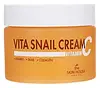
This barrier-repair day moisturizer is formulated around Snail Secretion Filtrate and Niacinamide to strengthen the skin barrier and calm redness.
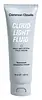
This oil-control day moisturizer is formulated around Methyl Methacrylate Crosspolymer and Niacinamide to balance excess oil and strengthen the skin barrier.


What's inside
What's inside
 Key Ingredients
Benefits
Concerns
Ingredients Side-by-side
Snail Secretion Filtrate
Skin Conditioning





Caprylic/Capric Triglyceride
Masking
Butylene Glycol
Humectant
Niacinamide
Smoothing







Olivoyl Hydrolyzed Wheat Protein
CleansingCetearyl Alcohol
Emollient





Glyceryl Oleate
Emollient

Glyceryl Stearate
Emollient
1,2-Hexanediol
Skin Conditioning
Lactose
HumectantCellulose
Absorbent
Hydroxypropyl Methylcellulose
Emulsion StabilisingJojoba Esters
Emollient
CI 77491
Cosmetic ColorantTocopheryl Acetate
Antioxidant

Ascorbyl Palmitate
Antioxidant
Carbomer
Emulsion StabilisingArginine
Masking
PEG-90m
Emulsion StabilisingXanthan Gum
EmulsifyingButyrospermum Parkii Butter
Skin Conditioning
Sodium Polyacrylate
Absorbent
Hydrogenated Polydecene
EmollientTrideceth-6
EmulsifyingCentella Asiatica Extract
Cleansing
Dipotassium Glycyrrhizate
Humectant
Squalane
Emollient
Adenosine
Skin Conditioning
Hydrolyzed Collagen
Emollient
Betaine
Humectant
Vaccinium Angustifolium Fruit Extract
Skin Protecting
Euterpe Oleracea Fruit Extract
Ethylhexylglycerin
Skin ConditioningCitrus Nobilis Peel Extract
Masking
Cupressus Sempervirens Leaf/Stem Extract
Skin ConditioningHedera Helix Leaf/Stem Extract
AntimicrobialCitrus Aurantium Bergamia Fruit Oil
Masking


Litsea Cubeba Fruit Oil
Masking
Ribes Nigrum Leaf Extract
Perfuming
Snail Secretion Filtrate, Caprylic/Capric Triglyceride, Butylene Glycol, Niacinamide, Olivoyl Hydrolyzed Wheat Protein, Cetearyl Alcohol, Glyceryl Oleate, Glyceryl Stearate, 1,2-Hexanediol, Lactose, Cellulose, Hydroxypropyl Methylcellulose, Jojoba Esters, CI 77491, Tocopheryl Acetate, Ascorbyl Palmitate, Carbomer, Arginine, PEG-90m, Xanthan Gum, Butyrospermum Parkii Butter, Sodium Polyacrylate, Hydrogenated Polydecene, Trideceth-6, Centella Asiatica Extract, Dipotassium Glycyrrhizate, Squalane, Adenosine, Hydrolyzed Collagen, Betaine, Vaccinium Angustifolium Fruit Extract, Euterpe Oleracea Fruit Extract, Ethylhexylglycerin, Citrus Nobilis Peel Extract, Cupressus Sempervirens Leaf/Stem Extract, Hedera Helix Leaf/Stem Extract, Citrus Aurantium Bergamia Fruit Oil, Litsea Cubeba Fruit Oil, Ribes Nigrum Leaf Extract
Water
Skin ConditioningMethyl Methacrylate Crosspolymer
Triethylhexanoin
MaskingNiacinamide
Smoothing
Squalane
Emollient
Butylene Glycol
Humectant
Glycerin
Humectant
Lactobacillus Ferment
Skin Conditioning
Pentylene Glycol
Skin Conditioning
Hydroxyethyl Acrylate/Sodium Acryloyldimethyl Taurate Copolymer
Emulsion StabilisingPolysorbate 60
Emulsifying
Carbomer
Emulsion StabilisingTocopheryl Acetate
Antioxidant
Sodium Benzoate
Masking
Sodium Hyaluronate
Humectant
Sodium Phytate
ChelatingLecithin
Emollient
Benzoic Acid
Masking
Sorbitan Isostearate
Emulsifying
Sodium Hydroxide
BufferingTocopherol
Antioxidant
Ascorbyl Palmitate
Antioxidant
Enantia Chlorantha Bark Extract
Skin ConditioningCitric Acid
Buffering
Oleanolic Acid
Skin ConditioningWater, Methyl Methacrylate Crosspolymer, Triethylhexanoin, Niacinamide, Squalane, Butylene Glycol, Glycerin, Lactobacillus Ferment, Pentylene Glycol, Hydroxyethyl Acrylate/Sodium Acryloyldimethyl Taurate Copolymer, Polysorbate 60, Carbomer, Tocopheryl Acetate, Sodium Benzoate, Sodium Hyaluronate, Sodium Phytate, Lecithin, Benzoic Acid, Sorbitan Isostearate, Sodium Hydroxide, Tocopherol, Ascorbyl Palmitate, Enantia Chlorantha Bark Extract, Citric Acid, Oleanolic Acid
Reviews
Ingredients Explained
These ingredients are found in both products.
Ingredients higher up in an ingredient list are typically present in a larger amount.
Ascorbyl Palmitate is a fat-soluble form of vitamin C (Ascorbic Acid) made by combining it with palmitic acid.
It is able to blend easily into creams and oil-based formulas because it dissolves in oils rather than water.
As you may know, regular vitamin C is notorious for breaking down when exposed to sunlight and air. Ascorbyl Palmitate is more stable and degrades at a slower rate.
Research on whether it converts efficiently into active vitamin C once it's applied on your skin is still limited.
Some in-vitro studies suggest it may support collagen production, but it is not considered one of the stronger vitamin C derivatives, like:
Due to the palmitic acid base, this ingredient may not be fungal acne safe. Comedogenic studies have also shown this ingredient to have a rating of 2.
It's also worth keeping in mind that comedogenic and irritancy ratings are tested on individual ingredients, not finished formulas. The final product's formulation, concentration, and other ingredients all play a role in how something actually behaves on your skin.
Learn more about Ascorbyl PalmitateButylene Glycol (or BG) is used within cosmetic products for a few different reasons:
Overall, Butylene Glycol is a safe and well-rounded ingredient that works well with other ingredients.
Though this ingredient works well with most skin types, some people with sensitive skin may experience a reaction such as allergic rashes, closed comedones, or itchiness.
Learn more about Butylene GlycolCarbomer is a synthetic thickening and gelling agent. It's basically the ingredient that gives a lot of serums, gels, creams, and sunscreens their smooth, non-sticky texture.
Although legally permitted at very high levels, carbomers are normally used at concentrations below 1%.
It also needs to be neutralized to actually thicken, and because it is a large molecule, it doesn't really penetrate the skin barrier.
Allergy-wise, the risk is very low. Clinical studies show carbomers have low potential for skin irritation/sensitization even at concentrations up to 100%.
A 2024 UK study patch-tested 1,302 patients and found true allergy to the parent group of carbomer to be rare with no confirmed relevant reactions.
Learn more about CarbomerNiacinamide is a multitasking form of vitamin B3 that strengthens the skin barrier, reduces pores and dark spots, regulates oil, and improves signs of aging.
And the best part? It's gentle and well-tolerated by most skin types, including sensitive and reactive skin.
You might have heard of "niacin flush", or the reddening of skin that causes itchiness. Niacinamide has not been found to cause this.
In very rare cases, some individuals may not be able to tolerate niacinamide at all or experience an allergic reaction to it.
If you are experiencing flaking, irritation, and dryness with this ingredient, be sure to double check all your products as this ingredient can be found in all categories of skincare.
When incorporating niacinamide into your routine, look out for concentration amounts. Typically, 5% niacinamide provides benefits such as fading dark spots. However, if you have sensitive skin, it is better to begin with a smaller concentration.
When you apply niacinamide to your skin, your body converts it into nicotinamide adenine dinucleotide (NAD). NAD is an essential coenzyme that is already found in your cells as "fuel" and powers countless biological processes.
In your skin, NAD helps repair cell damage, produce new healthy cells, support collagen production, strengthen the skin barrier, and fight environmental stressors (like UV and pollution).
Our natural NAD levels start to decline with age, leading to slower skin repair, visible aging, and a weaker skin barrier. By providing your skin niacinamide, you're recharging your skin's NAD levels. This leads to stronger, healthier, and younger looking skin.
Another name for vitamin B3 is nicotinamide. This vitamin is water-soluble and our bodies don't store it. We obtain Vitamin B3 from either food or skincare. Meat, fish, wheat, yeast, and leafy greens contain vitamin B3.
The type of niacinamide used in skincare is synthetically created.
Learn more about NiacinamideSqualane is the hydrogenated and shelf-stable form of squalene (a lipid that naturally occurs in human sebum).
It is an emollient and skin conditioning agent that is able to integrate seamlessly into the skin's lipid barrier without clogging pores.
This is due to how structurally similar it is to what your skin already produces.
Though it is mostly an emollient that helps soften and hydrate skin, it also has some humectant and occlusive action. Humectants help the skin retain moisture while occlusives seal it in, making squalane a triple-threat moisturizer.
Research shows it has antioxidant capabilities that help protect against stressors like UV exposure, specifically UVA induced oxidative stress. This study also found that it supports collagen biosynthesis in human dermal fibroblasts.
No clinical study has reported significant adverse effects and irritation reactions are very rare from this ingredient (even at 100% concentration).
Overall, it's a fantastic ingredient for hydration and is suitable for all skin types.
This depends on the source. Squalane can be derived from both plants and animals. Most squalane used in skincare comes from plants.
Please note: the source of squalane is only known if disclosed by the brand. We recommend reaching out to the brand if you have any questions about their squalane.
Read more about squalene with an "e".
Though squalane is often called an oil, it’s technically not one. It is a hydrocarbon, meaning it is only made of carbon and hydrogen. True oils are triglycerides and made of fatty acids and glycerol.
The term “oil-free” isn’t regulated so companies can define it however they want. Some exclude all oils, while others just avoid mineral oil or comedogenic oils.
Squalane has a comedogenic rating of 1 from the original 1972 study that tested raw ingredients under occlusion on rabbit ears. This system is not standardized or peer-reviewed, and using the raw ingredients is very different from how diluted cosmetic formulations are used on human skin.
A comedogenic rating of 1 means it is "unlikely to clog pores" according to the original rating system.
The overall formula of a product matters more than the individual ingredients on whether or not it will cause clogged pores.
Learn more about SqualaneTocopheryl Acetate is a stable, shelf-friendly form of vitamin E.
Formulators love it because plain vitamin E oxidizes quickly once it hits air. This acetate version stays stable and resists going off, helping to extend a product's shelf life.
It's actually inactive on its own and works like a slow-release "storage" form; the enzymes in your skin called esterases gradually convert it into active vitamin E over time.
One in vivo study showed 5% of the acetate in the living layer of the epidermis converted to vitamin E after 5 days of application. This study also found the skin gained protection against UV damage even though the conversion was slow and small.
Once converted, vitamin E acts as a skin's main fat-soluble antioxidant that fights free radicals to protect skin from damage.
Topical vitamin E generally boosts the skin's photoprotection, and it reduced UV-damage in animal models.
This ingredient has some brightening potential but it's more of a prevention ingredient than spot-fader. Cell studies show it can slow down melanin production but it's worth noting that it's not the most powerful brightener out there.
Overall, it has a pretty solid safety profile and has been found to be non-irritating and non-comedogenic. Allergic reactions may happen but stay rare due to how widely the ingredient gets used.
The concentration will vary depending on the formula; industry data shows 0.1% in baby lotions, 3% in lipsticks, and 5% in foot powders. You can also find this ingredient at 100% in a pure vitamin E oil.
Most leave-on skincare keeps it at the lower end, often between 0.5-1%.
Learn more about Tocopheryl Acetate

