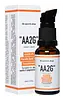
This brightening serum is formulated around Ascorbyl Glucoside and Ferulic Acid to brighten dull-looking skin and fade the look of dark spots.
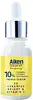
This brightening serum is formulated around Niacinamide and Ascorbyl Glucoside to brighten dull-looking skin and strengthen the skin barrier.

What's inside
What's inside
 Key Ingredients
Benefits
Concerns
Ingredients Side-by-side
Water
Skin ConditioningPropanediol
Solvent

Ascorbyl Glucoside
Antioxidant




Ferulic Acid
Antimicrobial
Phenoxyethanol
Preservative
Tocotrienols
Skin Conditioning
Dipropylene Glycol
Humectant1,2-Hexanediol
Skin Conditioning
Tocopherol
Antioxidant

Hydroxypropyl Cyclodextrin
MaskingDipotassium Glycyrrhizate
Humectant
Ethylhexylglycerin
Skin ConditioningPolydextrose
HumectantXanthan Gum
EmulsifyingElaeis Guineensis Oil
Emollient




Aloe Barbadensis Leaf Juice
Skin Conditioning
Potassium Sorbate
Preservative
Sodium Benzoate
Masking
Maltodextrin
Absorbent
Water, Propanediol, Ascorbyl Glucoside, Ferulic Acid, Phenoxyethanol, Tocotrienols, Dipropylene Glycol, 1,2-Hexanediol, Tocopherol, Hydroxypropyl Cyclodextrin, Dipotassium Glycyrrhizate, Ethylhexylglycerin, Polydextrose, Xanthan Gum, Elaeis Guineensis Oil, Aloe Barbadensis Leaf Juice, Potassium Sorbate, Sodium Benzoate, Maltodextrin
Water
Skin ConditioningNiacinamide
Smoothing




Propanediol
Solvent
Panthenol
Skin Conditioning
Propylene Glycol Dicaprylate/Dicaprate
EmollientAscorbyl Glucoside
Antioxidant
Sodium Citrate
BufferingSqualane
Emollient
Olive Oil PEG-7 Esters
Emollient
Xanthan Gum
EmulsifyingPolyacrylate Crosspolymer-6
Emulsion StabilisingSodium Polyacryloyldimethyl Taurate
Emulsion StabilisingSclerotium Gum
Emulsion StabilisingLecithin
Emollient
Pullulan
Resveratrol Dimethyl Ether
Antioxidant
Sclareolide
Masking
Sodium Hyaluronate
Humectant
Glycerin
Humectant
Disodium EDTA
Ceteareth-25
CleansingCetearyl Alcohol
Emollient


Behenic Acid
Cleansing
Ceramide NP
Skin Conditioning
Cholesterol
Emollient
Ceramide Ns
Skin Conditioning
Ceramide AP
Skin Conditioning
Ceramide EOP
Skin Conditioning
Ceramide Eos
Skin Conditioning
Caprooyl Phytosphingosine
Skin Conditioning
Caprooyl Sphingosine
Skin ConditioningPhenoxyethanol
Preservative
Chlorphenesin
Antimicrobial
Sodium Metabisulfite
Antioxidant
Water, Niacinamide, Propanediol, Panthenol, Propylene Glycol Dicaprylate/Dicaprate, Ascorbyl Glucoside, Sodium Citrate, Squalane, Olive Oil PEG-7 Esters, Xanthan Gum, Polyacrylate Crosspolymer-6, Sodium Polyacryloyldimethyl Taurate, Sclerotium Gum, Lecithin, Pullulan, Resveratrol Dimethyl Ether, Sclareolide, Sodium Hyaluronate, Glycerin, Disodium EDTA, Ceteareth-25, Cetearyl Alcohol, Behenic Acid, Ceramide NP, Cholesterol, Ceramide Ns, Ceramide AP, Ceramide EOP, Ceramide Eos, Caprooyl Phytosphingosine, Caprooyl Sphingosine, Phenoxyethanol, Chlorphenesin, Sodium Metabisulfite
Ingredients Explained
These ingredients are found in both products.
Ingredients higher up in an ingredient list are typically present in a larger amount.
Ascorbyl Glucoside (AA-2G) is one of the most stable vitamin C derivatives out there.
It's made by attaching a glucose molecule to ascorbic acid; this glucose "cap" shields the vitamin C from air, light, heat, and metal ions that normally cause pure ascorbic acid to oxidize.
Once on your skin, the enzyme alpha-glucosidase snips off the glucose and gradually releases active ascorbic acid right where it's needed. Basically, it behaves like a slow-release pro-vitamin C with less of a stinging that high-strength ascorbic acid can cause.
The research supports the classic vitamin C benefits as well. In lab and human studies, AA-2G slowed down the skin's production of melanin (the pigment behind dark spots) and helped shield skin cells against sun damage better than ascorbyl phosphate.
These studies also showed AA-2G released vitamin C over a longer period.
A frequently cited manufacturer trial found that a 2% AA-2G face cream significantly improved wrinkle depth and skin roughness after 45 days.
And in 2009, a clinical trial showed it meaningfully lightened dark patches on the gums compared to a placebo.
There's also collagen-synthesis support (since vitamin C is a required cofactor for that) and an antioxidant effect too.
Typical usage is usually between 0.5-5% and most studies/products land around 2%.
AA-2G performs best when formulated at a mildly acidic pH (~5-7) which is much gentler than the pH that pure vitamin C demands (~2.5-3.5).
Just one thing worth knowing: the in-skin conversation rate is only about 55-60% by weight. So a 5% AA-2G product delivers roughly 2.75-3% of actual active vitamin C. On top of that, skin absorption is relatively low because the ingredient is water-soluble.
Learn more about Ascorbyl GlucosidePhenoxyethanol is one of the most widely used preservatives in skincare (and for good reason!).
It has a large spectrum of antimicrobial activity and especially effective bacteria, yeast, and mold while only having a weak effect on your skin's natural microbiome.
On a cellular level, it disrupts the cell membranes of microbes by poking holes that make the cell leak. This shuts down the chemical reactions the microbe needs to make energy so it can no longer survive.
Another perk of this ingredient is that it stays functional across a wide pH range (3-10).
You'll often see it paired with boosters like Ethylhexylglycerin; one study showed that a 1:9 ratio of Ethylhexylglycerin to Phenoxyethanol damages bacterial membranes as effectively as doubling the Phenoxyethanol concentration on its own.
Typical use concentrations range from 0.3-1% depending on the formula, and this ingredient is capped at 1% int the EU.
Safety-wise, the fear mongering does not hold up to the evidence. The EU's Scientific Committee on Consumer Safety and FDA consider it safe as a preservative at up to 1%, including for children of all ages.
Adverse systemic effects only showed up in animal studies at exposures roughly 200x higher than what people get from cosmetics. And despite its very widespread use, this ingredient is a rare sensitizer and allergic reactions are uncommon.
Learn more about PhenoxyethanolPropanediol is an all-star ingredient. It softens, hydrates, and smooths the skin.
It’s often used to:
Propanediol is not likely to cause sensitivity and considered safe to use. It is derived from corn or petroleum with a clear color and no scent.
Learn more about PropanediolWater. It's the most common cosmetic ingredient of all. You'll usually see it at the top of ingredient lists, meaning that it makes up the largest part of the product.
So why is it so popular? Water most often acts as a solvent - this means that it helps dissolve other ingredients into the formulation.
You'll also recognize water as that liquid we all need to stay alive. If you see this, drink a glass of water. Remember to stay hydrated!
Learn more about WaterXanthan gum is used as a stabilizer and thickener within cosmetic products. It helps give products a sticky, thick feeling - preventing them from being too runny.
On the technical side of things, xanthan gum is a polysaccharide - a combination consisting of multiple sugar molecules bonded together.
Xanthan gum is a pretty common and great ingredient. It is a natural, non-toxic, non-irritating ingredient that is also commonly used in food products.
Learn more about Xanthan Gum

