

What's inside
What's inside
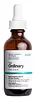 Key Ingredients
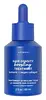
Benefits
Concerns
Ingredients Side-by-side
Water
Skin ConditioningPropanediol
Solvent

Butylene Glycol
Humectant
Glycerin
Humectant
Caffeine
Skin Conditioning

Biotinoyl Tripeptide-1

Acetyl Tetrapeptide-3
Skin Protecting
Larix Europaea Wood Extract
HumectantPisum Sativum Extract
Skin ConditioningScutellaria Baicalensis Root Extract
Astringent
Triticum Vulgare Germ Extract
Skin ConditioningGlycine Soja Germ Extract
EmollientTrifolium Pratense Flower Extract
AstringentCamellia Sinensis Leaf Extract
Antimicrobial



Apigenin
Antioxidant
Oleanolic Acid
Skin ConditioningArginine
Masking
Glycine
Buffering
Calcium Gluconate
HumectantZinc Chloride
AntimicrobialLactic Acid
Buffering





Gluconolactone
Chelating

Dextran
Maltodextrin
Absorbent
Hydroxyethylcellulose
Emulsion StabilisingXanthan Gum
EmulsifyingPentylene Glycol
Skin Conditioning
Dimethyl Isosorbide
SolventPolysorbate 20
Emulsifying
PPG-26-Buteth-26
Skin ConditioningPEG-40 Hydrogenated Castor Oil
Emulsifying
Trisodium Ethylenediamine Disuccinate
ChelatingSodium Metabisulfite
Antioxidant
Sodium Benzoate
Masking
Phenoxyethanol
Preservative
Chlorphenesin
Antimicrobial
Water, Propanediol, Butylene Glycol, Glycerin, Caffeine, Biotinoyl Tripeptide-1, Acetyl Tetrapeptide-3, Larix Europaea Wood Extract, Pisum Sativum Extract, Scutellaria Baicalensis Root Extract, Triticum Vulgare Germ Extract, Glycine Soja Germ Extract, Trifolium Pratense Flower Extract, Camellia Sinensis Leaf Extract, Apigenin, Oleanolic Acid, Arginine, Glycine, Calcium Gluconate, Zinc Chloride, Lactic Acid, Gluconolactone, Dextran, Maltodextrin, Hydroxyethylcellulose, Xanthan Gum, Pentylene Glycol, Dimethyl Isosorbide, Polysorbate 20, PPG-26-Buteth-26, PEG-40 Hydrogenated Castor Oil, Trisodium Ethylenediamine Disuccinate, Sodium Metabisulfite, Sodium Benzoate, Phenoxyethanol, Chlorphenesin
Water
Skin ConditioningPropanediol
Solvent
Glycerin
Humectant
Curcuma Longa Root Extract
Antioxidant
Withania Somnifera Root Extract
Skin Conditioning
Sr-Hydrozoan Polypeptide-1
Humectant
Bacopa Monnieri Extract
Skin ConditioningCamellia Sinensis Leaf Extract
Antimicrobial
Zingiber Officinale Root Extract
Masking
Larix Europaea Wood Extract
HumectantBiotin
AntiseborrhoeicSodium Hyaluronate
Humectant
Zinc Chloride
AntimicrobialAscorbic Acid
Antioxidant
Arginine
Masking
Glycine
Buffering
Butylene Glycol
Humectant
Hydroxyethylcellulose
Emulsion StabilisingPentylene Glycol
Skin Conditioning
Xanthan Gum
EmulsifyingSodium Metabisulfite
Antioxidant
Phytic Acid
Chelating
Tetrasodium Glutamate Diacetate
ChelatingPotassium Sorbate
Preservative
Sodium Hydroxide
Buffering1,2-Hexanediol
Skin Conditioning
Caprylyl Glycol
Emollient
Ethylhexylglycerin
Skin ConditioningCitric Acid
Buffering
Phenoxyethanol
Preservative
Parfum
Masking
CI 77491
Cosmetic ColorantCI 77492
Cosmetic ColorantBenzyl Salicylate
Perfuming
Citronellol
Perfuming
Hexyl Cinnamal
Perfuming
Limonene
Perfuming
Water, Propanediol, Glycerin, Curcuma Longa Root Extract, Withania Somnifera Root Extract, Sr-Hydrozoan Polypeptide-1, Bacopa Monnieri Extract, Camellia Sinensis Leaf Extract, Zingiber Officinale Root Extract, Larix Europaea Wood Extract, Biotin, Sodium Hyaluronate, Zinc Chloride, Ascorbic Acid, Arginine, Glycine, Butylene Glycol, Hydroxyethylcellulose, Pentylene Glycol, Xanthan Gum, Sodium Metabisulfite, Phytic Acid, Tetrasodium Glutamate Diacetate, Potassium Sorbate, Sodium Hydroxide, 1,2-Hexanediol, Caprylyl Glycol, Ethylhexylglycerin, Citric Acid, Phenoxyethanol, Parfum, CI 77491, CI 77492, Benzyl Salicylate, Citronellol, Hexyl Cinnamal, Limonene
Reviews
Ingredients Explained
These ingredients are found in both products.
Ingredients higher up in an ingredient list are typically present in a larger amount.
Arginine is a semi-essential amino acid. This just means our bodies can product a bit on its own, but sometimes needs a little boost from food sources.
It is a part of your skin's natural moisturizing factor (NMF), or the water-loving molecules in your outermost layer of skin (stratum corneum) that keeps everything hydrated and happy.
Here's an interesting thing about Arginine: your skin converts it into urea through the Krebs-Henseleit urea cycle. Urea is one of the most effective humectants your skin naturally produces.
A clinical study showed applying 2.5% arginine hydrochloride to atopic dermatitis skin showed significant urea levels in the stratum corneum and improved moisture in just four weeks.
Arginine is also a precursor to nitric oxide; nitric oxide improves microcirculation and supports wound healing and collagen synthesis.
One study found that an amino acid complex containing Arginine reduced skin irritation, improved hydration, and accelerated skin repair in clinical / in-vivo studies.
Arginine itself is an amino acid and not a fatty acid, oil, or ester. On its own, it's not a direct food source for Malassezia, or the yeast that causes fungal acne.
Learn more about ArginineButylene Glycol (or BG) is used within cosmetic products for a few different reasons:
Overall, Butylene Glycol is a safe and well-rounded ingredient that works well with other ingredients.
Though this ingredient works well with most skin types, some people with sensitive skin may experience a reaction such as allergic rashes, closed comedones, or itchiness.
Learn more about Butylene GlycolCamellia Sinensis Leaf Extract (tea extract) is one of the most well-researched plant extracts in skincare with an impressive resume.
Black tea, green tea, and oolong tea are all harvested from the Camellia Sinensis plant.
Studies show green tea extract and its catechins (like epigallocatechin gallate (EGCG)) help your skin cells product energy more efficiently and reducing the number of free-radicals that can damage your skin from the inside.
In lab-grown skin models, this translated to younger, healthier, and stronger skin.
There's also good sun protection data; researchers saw less DNA damage and redness on human skin when green tea was applied before UVB exposure. And the more they applied, the better the protection.
Needless to say, this ingredient shouldn't replace your sunscreen. But it is a great supportive ingredient that you can already find in many sunscreens and antioxidant serums.
A 2009 study found a 2% green tea lotion was effective for mild-to-moderate acne thanks to its anti-inflammatory and mild antimicrobial activity.
The quality of the extract matters a lot here:
Good extracts contain 50-90% catechins while lower quality ones are mostly there for marketing. We recommend reaching out to the brand if you have questions about the quality or source of their ingredients.
Human Repeated Insult Patch Testing showed no irritation or sensitization at use concentrations (0.86% in leave-on products and up to 30% as leaf water).
Learn more about Camellia Sinensis Leaf ExtractGlycerin (or glycerol) is a compound naturally found in your skin. It's a powerhouse humectant that pulls water into the stratum corneum.
Topically, glycerin does several things at once:
Your skin makes glycerin on its own (mostly from sebaceous oil breakdown) and shuttles it to your outermost layer of skin, or your epidermis, via aquaporin-3.
Aquaporin-3 is a transporter that is essential for normal skin hydration, elasticity, and repair. Interestingly, mice lacking in AQP3 have dry and less elastic skin that can be fully corrected with glycerin.
This ingredient is non-irritating, plays well with almost every ingredient, and works across all skin types. Typical use is anywhere between 3-10% but can go up to 79% in some leave-on products.
Just know very high concentrations (>40%) can feel tacky in low humidity.
Glycerin is the name for this ingredient in American English. British English uses Glycerol/Glycerine.
Learn more about GlycerinGlycine is the smallest amino acid and a key building block of collagen. It's part if your skin's Natural Moisturizing Factor (NMF), or the water-loving molecules in your outermost layer of skin (stratum corneum) that keeps everything hydrated and happy.
A study from 2022 found that an amino acid complex featuring taurine, arginine, and glycine significantly reduced skin irritation, improved redness, and accelerated the skin repair process.
Hydroxyethylcellulose is used to improve the texture of products. It is created from a chemical reaction involving ethylene oxide and alkali-cellulose. Cellulose is a sugar found in plant cell walls and help give plants structure.
This ingredient helps stabilize products by preventing ingredients from separating. It can also help thicken the texture of a product.
This ingredient can also be found in pill medicines to help our bodies digest other ingredients.
Learn more about HydroxyethylcelluloseLarix Europaea is a larch tree native to Europe.
It’s one of the key ingredients in Redensyl, an alternative to Minoxidil for hair growth. Redensyl works by targeting stem cells and fibroblasts from the top, inner layer of your skin.
The bark of Larix Europaea is rich in antioxidants and plant compounds such as flavonoids, spiro-polyphenols, and procyanidins.
Flavonoids are naturally occurring compounds found in many plantsand foods like tea, wine, and chocolate. They’re known for their strong antioxidant and anti-inflammatory properties.
Learn more about Larix Europaea Wood ExtractPentylene Glycol (1,2-pentanediol) is a multitasking little diol with three main roles in a formula:
Research on alkanediols (the family pentylene glycol belongs to) show they work by disrupting microbial cell membranes. This disruption helps the primary preservative system in a product work more effectively at lower doses.
On the safety side, the Cosmetic Ingredient Review Expert Panel has concluded this ingredient to be safe as used in current cosmetic practices + concentrations.
Typical use levels in a formula run about 1-5%.
Learn more about Pentylene GlycolPhenoxyethanol is one of the most widely used preservatives in skincare (and for good reason!).
It has a large spectrum of antimicrobial activity and especially effective bacteria, yeast, and mold while only having a weak effect on your skin's natural microbiome.
On a cellular level, it disrupts the cell membranes of microbes by poking holes that make the cell leak. This shuts down the chemical reactions the microbe needs to make energy so it can no longer survive.
Another perk of this ingredient is that it stays functional across a wide pH range (3-10).
You'll often see it paired with boosters like Ethylhexylglycerin; one study showed that a 1:9 ratio of Ethylhexylglycerin to Phenoxyethanol damages bacterial membranes as effectively as doubling the Phenoxyethanol concentration on its own.
Typical use concentrations range from 0.3-1% depending on the formula, and this ingredient is capped at 1% int the EU.
Safety-wise, the fear mongering does not hold up to the evidence. The EU's Scientific Committee on Consumer Safety and FDA consider it safe as a preservative at up to 1%, including for children of all ages.
Adverse systemic effects only showed up in animal studies at exposures roughly 200x higher than what people get from cosmetics. And despite its very widespread use, this ingredient is a rare sensitizer and allergic reactions are uncommon.
Learn more about PhenoxyethanolPropanediol is an all-star ingredient. It softens, hydrates, and smooths the skin.
It’s often used to:
Propanediol is not likely to cause sensitivity and considered safe to use. It is derived from corn or petroleum with a clear color and no scent.
Learn more about PropanediolSodium metabisulfite is also known as Sodium Pyrosulfite. It is a preservative, antioxidant, and disinfectant.
As a preservative, it helps stabilize cosmetic formulas without affecting their color or scent.
Water. It's the most common cosmetic ingredient of all. You'll usually see it at the top of ingredient lists, meaning that it makes up the largest part of the product.
So why is it so popular? Water most often acts as a solvent - this means that it helps dissolve other ingredients into the formulation.
You'll also recognize water as that liquid we all need to stay alive. If you see this, drink a glass of water. Remember to stay hydrated!
Learn more about WaterXanthan gum is used as a stabilizer and thickener within cosmetic products. It helps give products a sticky, thick feeling - preventing them from being too runny.
On the technical side of things, xanthan gum is a polysaccharide - a combination consisting of multiple sugar molecules bonded together.
Xanthan gum is a pretty common and great ingredient. It is a natural, non-toxic, non-irritating ingredient that is also commonly used in food products.
Learn more about Xanthan GumZinc chloride is a white crystalline compound. You'll most likely see it in personal care products such as mouthwashes, skincare, hair conditioners, and bath products.


