
What's inside
What's inside
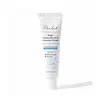 Key Ingredients
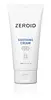
Benefits
Concerns
Ingredients Side-by-side
Water
Skin ConditioningButylene Glycol
Humectant
Caprylic/Capric Triglyceride
Masking
Glycerin
Humectant


Cetearyl Alcohol
Emollient



Cetearyl Olivate
Limnanthes Alba Seed Oil
Skin Conditioning
Mangifera Indica Seed Butter
Skin Conditioning
Sorbitan Olivate
Emulsifying
Cynanchum Atratum Extract
Skin ConditioningSodium Hyaluronate
Humectant
Camellia Japonica Leaf Extract
Skin ConditioningBeta-Glucan
Skin Conditioning


Simmondsia Chinensis Seed Oil
Emollient
Betaine
Humectant
Hydrolyzed Hyaluronic Acid
Humectant
Sodium Acetylated Hyaluronate
Humectant
Isododecane
EmollientSodium Polyacryloyldimethyl Taurate
Emulsion StabilisingXanthan Gum
EmulsifyingTrideceth-10
CleansingEuphorbia Cerifera Wax
Boswellia Serrata Resin Extract
Smoothing1,2-Hexanediol
Skin Conditioning
Hydrogenated Polydecene
EmollientDimethicone/Vinyl Dimethicone Crosspolymer
Skin Conditioning
Disodium EDTA
Ethylhexylglycerin
Skin ConditioningDimethicone
Emollient
Water, Butylene Glycol, Caprylic/Capric Triglyceride, Glycerin, Cetearyl Alcohol, Cetearyl Olivate, Limnanthes Alba Seed Oil, Mangifera Indica Seed Butter, Sorbitan Olivate, Cynanchum Atratum Extract, Sodium Hyaluronate, Camellia Japonica Leaf Extract, Beta-Glucan, Simmondsia Chinensis Seed Oil, Betaine, Hydrolyzed Hyaluronic Acid, Sodium Acetylated Hyaluronate, Isododecane, Sodium Polyacryloyldimethyl Taurate, Xanthan Gum, Trideceth-10, Euphorbia Cerifera Wax, Boswellia Serrata Resin Extract, 1,2-Hexanediol, Hydrogenated Polydecene, Dimethicone/Vinyl Dimethicone Crosspolymer, Disodium EDTA, Ethylhexylglycerin, Dimethicone
Water
Skin ConditioningGlycerin
Humectant
Propanediol
Solvent
Caprylic/Capric Triglyceride
Masking
Sorbitan Stearate
Emulsifying
Cetearyl Alcohol
Emollient
Carthamus Tinctorius Seed Oil
Masking
Glyceryl Stearate
Emollient
Stearic Acid
Cleansing
Dimethicone
Emollient
Myristoyl/Palmitoyl Oxostearamide/Arachamide Mea
Skin ConditioningMethyl Caprooyl Tyrosinate
Skin ProtectingPhytosterols
Skin Conditioning
Tocopheryl Acetate
Antioxidant

Bisabolol
Masking
Xanthan Gum
EmulsifyingSodium Hyaluronate
Humectant
Carbomer
Emulsion StabilisingArginine
Masking
1,2-Hexanediol
Skin Conditioning
Caprylyl Glycol
Emollient
Tropolone
Skin ConditioningWater, Glycerin, Propanediol, Caprylic/Capric Triglyceride, Sorbitan Stearate, Cetearyl Alcohol, Carthamus Tinctorius Seed Oil, Glyceryl Stearate, Stearic Acid, Dimethicone, Myristoyl/Palmitoyl Oxostearamide/Arachamide Mea, Methyl Caprooyl Tyrosinate, Phytosterols, Tocopheryl Acetate, Bisabolol, Xanthan Gum, Sodium Hyaluronate, Carbomer, Arginine, 1,2-Hexanediol, Caprylyl Glycol, Tropolone
Reviews
Ingredients Explained
These ingredients are found in both products.
Ingredients higher up in an ingredient list are typically present in a larger amount.
1,2-Hexanediol is a synthetic liquid and another multi-functional powerhouse.
It is a:
- Humectant, drawing moisture into the skin
- Emollient, helping to soften skin
- Solvent, dispersing and stabilizing formulas
- Preservative booster, enhancing the antimicrobial activity of other preservatives
This ingredient is an emollient, solvent, and texture enhancer. It is considered a skin-softener by helping the skin prevent moisture loss.
It helps thicken a product's formula and makes it easier to spread by dissolving clumping compounds.
Caprylic Triglyceride is made by combining glycerin with coconut oil, forming a clear liquid.
While there is an assumption Caprylic Triglyceride can clog pores due to it being derived from coconut oil, there is no research supporting this.
Learn more about Caprylic/Capric TriglycerideCetearyl alcohol is a mixture of two fatty alcohols: cetyl alcohol and stearyl alcohol. It is mainly used as an emulsifier. Emulsifiers help prevent the separation of oils and products. Due to its composition, it can also be used to thicken a product or help create foam.
Cetearyl alcohol is an emollient. Emollients help soothe and hydrate the skin by trapping moisture.
Studies show Cetearyl alcohol is non-toxic and non-irritating. The FDA allows products labeled "alcohol-free" to have fatty alcohols.
This ingredient is usually derived from plant oils such as palm, vegetable, or coconut oils. There is debate on whether this ingredient will cause acne.
Due to the fatty acid base, this ingredient may not be Malassezia folliculitis safe.
Learn more about Cetearyl AlcoholDimethicone is a type of synthetic silicone created from natural materials such as quartz.
What it does:
Dimethicone comes in different viscosities:
Depending on the viscosity, dimethicone has different properties.
Ingredients lists don't always show which type is used, so we recommend reaching out to the brand if you have questions about the viscosity.
This ingredient is unlikely to cause irritation because it does not get absorbed into skin. However, people with silicone allergies should be careful about using this ingredient.
Note: Dimethicone may contribute to pilling. This is because it is not oil or water soluble, so pilling may occur when layered with products. When mixed with heavy oils in a formula, the outcome is also quite greasy.
Learn more about DimethiconeGlycerin is already naturally found in your skin. It helps moisturize and protect your skin.
A study from 2016 found glycerin to be more effective as a humectant than AHAs and hyaluronic acid.
As a humectant, it helps the skin stay hydrated by pulling moisture to your skin. The low molecular weight of glycerin allows it to pull moisture into the deeper layers of your skin.
Hydrated skin improves your skin barrier; Your skin barrier helps protect against irritants and bacteria.
Glycerin has also been found to have antimicrobial and antiviral properties. Due to these properties, glycerin is often used in wound and burn treatments.
In cosmetics, glycerin is usually derived from plants such as soybean or palm. However, it can also be sourced from animals, such as tallow or animal fat.
This ingredient is organic, colorless, odorless, and non-toxic.
Glycerin is the name for this ingredient in American English. British English uses Glycerol/Glycerine.
Learn more about GlycerinSodium Hyaluronate is hyaluronic acid's salt form. It is commonly derived from the sodium salt of hyaluronic acid.
Like hyaluronic acid, it is great at holding water and acts as a humectant. This makes it a great skin hydrating ingredient.
Sodium Hyaluronate is naturally occurring in our bodies and is mostly found in eye fluid and joints.
These are some other common types of Hyaluronic Acid:
Learn more about Sodium HyaluronateWater. It's the most common cosmetic ingredient of all. You'll usually see it at the top of ingredient lists, meaning that it makes up the largest part of the product.
So why is it so popular? Water most often acts as a solvent - this means that it helps dissolve other ingredients into the formulation.
You'll also recognize water as that liquid we all need to stay alive. If you see this, drink a glass of water. Stay hydrated!
Learn more about WaterXanthan gum is used as a stabilizer and thickener within cosmetic products. It helps give products a sticky, thick feeling - preventing them from being too runny.
On the technical side of things, xanthan gum is a polysaccharide - a combination consisting of multiple sugar molecules bonded together.
Xanthan gum is a pretty common and great ingredient. It is a natural, non-toxic, non-irritating ingredient that is also commonly used in food products.
Learn more about Xanthan Gum
