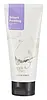
This exfoliator is formulated around Panthenol to hydrate and support the skin barrier.
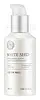
This brightening serum is formulated around Niacinamide and Hexylresorcinol to brighten dull-looking skin and fade the look of dark spots.

What's inside
What's inside
 Key Ingredients
Benefits
Concerns
Ingredients Side-by-side
Water
Skin ConditioningCellulose
Absorbent
Glycerin
Humectant


Butylene Glycol
Humectant
Alcohol Denat.
Antimicrobial




Betaine
Humectant
Panthenol
Skin Conditioning
Carbomer
Emulsion StabilisingPotassium Hydroxide
BufferingAmethyst Powder
Abrasive
Pearl Powder
Tourmaline
Methylparaben
Preservative


Propylparaben
Preservative
Synthetic Fluorphlogopite
Titanium Dioxide
Cosmetic Colorant
CI 77891
Cosmetic ColorantParfum
Masking

Water
Skin ConditioningPropanediol
Solvent
Panthenol
Skin Conditioning
Dimethicone
Emollient
Ethylhexyl Palmitate
Emollient


Niacinamide
Smoothing






1,2-Hexanediol
Skin Conditioning
Caprylic/Capric Triglyceride
Masking
Cyclopentasiloxane
Emollient
Triceteareth-4 Phosphate
EmulsifyingCaprylic/Capric Glycerides
EmollientGlycol Stearate
Emollient
PEG-2 Stearate
Emulsifying
Hydroxyethyl Acrylate/Sodium Acryloyldimethyl Taurate Copolymer
Emulsion StabilisingPolysilicone-11
Polymethylsilsesquioxane
Squalane
Emollient
Bellis Perennis Flower Extract
Skin ConditioningLupinus Albus Seed Extract
Skin ConditioningPolysorbate 60
Emulsifying
Myristica Fragrans Extract
MaskingSodium Hyaluronate
Humectant
Butylene Glycol
Humectant
Hexylresorcinol
Antimicrobial
Chenopodium Quinoa Seed Extract
Skin Conditioning
Salix Alba Bark Extract
Astringent
Acrylates/C10-30 Alkyl Acrylate Crosspolymer
Emulsion StabilisingPotassium Hydroxide
BufferingDisodium EDTA
Phenoxyethanol
Preservative
Ethylhexylglycerin
Skin ConditioningParfum
Masking
Water, Propanediol, Panthenol, Dimethicone, Ethylhexyl Palmitate, Niacinamide, 1,2-Hexanediol, Caprylic/Capric Triglyceride, Cyclopentasiloxane, Triceteareth-4 Phosphate, Caprylic/Capric Glycerides, Glycol Stearate, PEG-2 Stearate, Hydroxyethyl Acrylate/Sodium Acryloyldimethyl Taurate Copolymer, Polysilicone-11, Polymethylsilsesquioxane, Squalane, Bellis Perennis Flower Extract, Lupinus Albus Seed Extract, Polysorbate 60, Myristica Fragrans Extract, Sodium Hyaluronate, Butylene Glycol, Hexylresorcinol, Chenopodium Quinoa Seed Extract, Salix Alba Bark Extract, Acrylates/C10-30 Alkyl Acrylate Crosspolymer, Potassium Hydroxide, Disodium EDTA, Phenoxyethanol, Ethylhexylglycerin, Parfum
Reviews
Ingredients Explained
These ingredients are found in both products.
Ingredients higher up in an ingredient list are typically present in a larger amount.
Butylene Glycol (or BG) is used within cosmetic products for a few different reasons:
Overall, Butylene Glycol is a safe and well-rounded ingredient that works well with other ingredients.
Though this ingredient works well with most skin types, some people with sensitive skin may experience a reaction such as allergic rashes, closed comedones, or itchiness.
Learn more about Butylene GlycolPanthenol is a common ingredient that helps hydrate and soothe the skin. It is found naturally in our skin and hair.
There are two forms of panthenol: D and L.
D-panthenol is also known as dexpanthenol. Most cosmetics use dexpanthenol or a mixture of D and L-panthenol.
Panthenol is famous due to its ability to go deeper into the skin's layers. Using this ingredient has numerous pros (and no cons):
Like hyaluronic acid, panthenol is a humectant. Humectants are able to bind and hold large amounts of water to keep skin hydrated.
This ingredient works well for wound healing. It works by increasing tissue in the wound and helps close open wounds.
Once oxidized, panthenol converts to pantothenic acid. Panthothenic acid is found in all living cells.
This ingredient is also referred to as pro-vitamin B5.
Learn more about PanthenolParfum is a catch-all term for an ingredient or more that is used to give a scent to products.
Also called "fragrance", this ingredient can be a blend of hundreds of chemicals or plant oils. This means every product with "fragrance" or "parfum" in the ingredients list is a different mixture.
For instance, Habanolide is a proprietary trade name for a specific aroma chemical. When used as a fragrance ingredient in cosmetics, most aroma chemicals fall under the broad labeling category of “FRAGRANCE” or “PARFUM” according to EU and US regulations.
The term 'parfum' or 'fragrance' is not regulated in many countries. In many cases, it is up to the brand to define this term.
For instance, many brands choose to label themselves as "fragrance-free" because they are not using synthetic fragrances. However, their products may still contain ingredients such as essential oils that are considered a fragrance by INCI standards.
One example is Calendula flower extract. Calendula is an essential oil that still imparts a scent or 'fragrance'.
Depending on the blend, the ingredients in the mixture can cause allergies and sensitivities on the skin. Some ingredients that are known EU allergens include linalool and citronellol.
Parfum can also be used to mask or cover an unpleasant scent.
The bottom line is: not all fragrances/parfum/ingredients are created equally. If you are worried about fragrances, we recommend taking a closer look at an ingredient. And of course, we always recommend speaking with a professional.
Learn more about ParfumPotassium Hydroxide (also known as potash) is a strong alkaline ingredient that does one job: it nudges a product's pH up so the whole formula lands in a skin-friendly range.
It's also the base that turns oils into liquid soap during the soap making process.
An expert safety panel reviewed it and found it safe when formulations are made to be non-irritating.
As a pH adjuster, it's typically used well under 1% though regulatory caps go much higher: 5% in nail cuticle removers and 2-4.5% in hair straighteners.
Though there is some concern for irritation from raw or high pH material, a well-balanced formula will be a non-issue for the vast majority of people.
Learn more about Potassium HydroxideWater. It's the most common cosmetic ingredient of all. You'll usually see it at the top of ingredient lists, meaning that it makes up the largest part of the product.
So why is it so popular? Water most often acts as a solvent - this means that it helps dissolve other ingredients into the formulation.
You'll also recognize water as that liquid we all need to stay alive. If you see this, drink a glass of water. Remember to stay hydrated!
Learn more about Water

