The Derma Co Snail Peptide 96 Under Eye Repair Cream Versus Pilgrim Squalane Roll-On Under Eye Serum
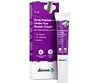
This anti-aging eye moisturizer is formulated around Niacinamide and Caffeine to soften the look of wrinkles and fade the look of dark spots.
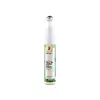
This anti-aging eye moisturizer is formulated around Caffeine and Niacinamide to soften the look of wrinkles and hydrate skin.

What's inside
What's inside
 Key Ingredients
Benefits
Concerns
Ingredients Side-by-side
Water
Skin ConditioningPropylene Glycol
Humectant


Caprylic/Capric Triglyceride
Masking

Glycerin
Humectant
Niacinamide
Smoothing









Ethylhexyl Olivate
Skin Conditioning
Sodium Acrylates Copolymer
Polyglyceryl-4 Oleate
Emulsifying
Caffeine
Skin Conditioning
Butyrospermum Parkii Butter
Skin Conditioning

Tripeptide-1
Skin Conditioning
Acetyl Hexapeptide-8
Humectant
Palmitoyl Pentapeptide-4
Skin Conditioning
Palmitoyl Tripeptide-1
Skin Conditioning
Acetyl Tetrapeptide-5
Humectant
Palmitoyl Tetrapeptide-7
Skin Conditioning
N-Hydroxysuccinimide
Skin ConditioningPolysorbate 20
Emulsifying
Butylene Glycol
Humectant
Carbomer
Emulsion StabilisingAlpha-Arbutin
Antioxidant

Dipotassium Glycyrrhizate
Humectant
Sodium Hyaluronate
Humectant
Snail Secretion Filtrate
Skin Conditioning
Ubiquinone
Antioxidant
Retinyl Palmitate
Skin Conditioning
Diacetyl Boldine
Skin Conditioning
Ascorbyl Tetraisopalmitate
Antioxidant
Panthenol
Skin Conditioning
Phenoxyethanol
Preservative
Ethylhexylglycerin
Skin ConditioningWater, Propylene Glycol, Caprylic/Capric Triglyceride, Glycerin, Niacinamide, Ethylhexyl Olivate, Sodium Acrylates Copolymer, Polyglyceryl-4 Oleate, Caffeine, Butyrospermum Parkii Butter, Tripeptide-1, Acetyl Hexapeptide-8, Palmitoyl Pentapeptide-4, Palmitoyl Tripeptide-1, Acetyl Tetrapeptide-5, Palmitoyl Tetrapeptide-7, N-Hydroxysuccinimide, Polysorbate 20, Butylene Glycol, Carbomer, Alpha-Arbutin, Dipotassium Glycyrrhizate, Sodium Hyaluronate, Snail Secretion Filtrate, Ubiquinone, Retinyl Palmitate, Diacetyl Boldine, Ascorbyl Tetraisopalmitate, Panthenol, Phenoxyethanol, Ethylhexylglycerin
Water
Skin ConditioningCaffeine
Skin Conditioning
Niacinamide
Smoothing
Betaine
Humectant
Squalane
Emollient
Ethylhexyl Olivate
Skin Conditioning
Sodium Acrylates Copolymer
Polyglyceryl-4 Oleate
Emulsifying
Acetyl Tetrapeptide-5
Humectant
Astrocaryum Murumuru Seed Butter
Emollient
Bidens Pilosa Extract
HumectantGossypium Herbaceum Seed Oil
Skin Conditioning
Linum Usitatissimum Seed Oil
Perfuming
Glycerin
Humectant
Psoralea Corylifolia Seed Extract
Skin ConditioningSodium Hyaluronate
Humectant
Phenoxyethanol
Preservative
Ethylhexylglycerin
Skin ConditioningMaltodextrin
Absorbent
Punica Granatum Flower Extract
Skin Conditioning
Sodium Ascorbyl Phosphate
Antioxidant
Hydrogenated Starch Hydrolysate
HumectantAscophyllum Nodosum Extract
Skin Conditioning
Asparagopsis Armata Extract
Skin Protecting
Cetyl Alcohol
Emollient
Lecithin
Emollient
Sodium Benzoate
Masking
Potassium Sorbate
Preservative
Stearic Acid
Cleansing
Sodium Gluconate
ChelatingRosa Damascena Flower Oil
Masking


Polianthes Tuberosa Flower Oil
Perfuming
Citrus Aurantium Bergamia Fruit Oil
Masking
Water, Caffeine, Niacinamide, Betaine, Squalane, Ethylhexyl Olivate, Sodium Acrylates Copolymer, Polyglyceryl-4 Oleate, Acetyl Tetrapeptide-5, Astrocaryum Murumuru Seed Butter, Bidens Pilosa Extract, Gossypium Herbaceum Seed Oil, Linum Usitatissimum Seed Oil, Glycerin, Psoralea Corylifolia Seed Extract, Sodium Hyaluronate, Phenoxyethanol, Ethylhexylglycerin, Maltodextrin, Punica Granatum Flower Extract, Sodium Ascorbyl Phosphate, Hydrogenated Starch Hydrolysate, Ascophyllum Nodosum Extract, Asparagopsis Armata Extract, Cetyl Alcohol, Lecithin, Sodium Benzoate, Potassium Sorbate, Stearic Acid, Sodium Gluconate, Rosa Damascena Flower Oil, Polianthes Tuberosa Flower Oil, Citrus Aurantium Bergamia Fruit Oil
Ingredients Explained
These ingredients are found in both products.
Ingredients higher up in an ingredient list are typically present in a larger amount.
Acetyl Tetrapeptide-5 is a peptide that goes by another name, eyeseryl, due to claims that it can help reduce eye puffiness.
The manufacturer claims this ingredient reduces eye puffiness by:
An in-vivo study from the manufacturer found 95% of volunteers saw eye bag improvement by the end of the study.
Eye puffiness is caused by two major factors: fluid retention and fat.
Those with fluid retention may see improvement from using this ingredient. However, those with eye fat will need surgical intervention in order to get rid of puffiness.
Learn more about Acetyl Tetrapeptide-5Caffeine is a naturally occurring plant compound found in coffee beans, tea leaves, cocoa pods, and guarana.
As an antioxidant, caffeine protects your skin from free radical damage caused by UV exposure and envionrmnetal stressors.
Early research also shows that caffeine can help calm redness, soothe irritated skin, and support hair growth by stimulating microcirculation in the scalp.
You might have seen eye creams marketing caffeine as a depuffing ingredient. This is because it is a vasoconstrictor meaning it can temporarily constrict blood vessels, though clinical evidence for this specific use is still limited.
Most skincare products contain this ingredient at concentrations between 1-6%. It is able to penetrate skin easily regardless of skin type or thickness.
Just so you know, a very small number of case reports describe caffeine-induced allergy. This ingredient is generally well-tolerated, non-irritating, and non-sensitizing for the majority of people.
Learn more about CaffeineEthylhexyl Olivate isn't fungal acne safe.
Ethylhexylglycerin is created from glycerin. It is a multitasker ingredient that:
The CIR Expert Panel found minimal skin absorption or sensitization of any kind in a safety assessment. Though this ingredient is considered well-tolerated, a small number of cases of allergic dermatitis have been published since 2002. Just be sure to patch test if you are unsure.
Industry-reported use ranges from 8% in rinse-off products and 2% in leave-on formulations.
Learn more about EthylhexylglycerinGlycerin (or glycerol) is a compound naturally found in your skin. It's a powerhouse humectant that pulls water into the stratum corneum.
Topically, glycerin does several things at once:
Your skin makes glycerin on its own (mostly from sebaceous oil breakdown) and shuttles it to your outermost layer of skin, or your epidermis, via aquaporin-3.
Aquaporin-3 is a transporter that is essential for normal skin hydration, elasticity, and repair. Interestingly, mice lacking in AQP3 have dry and less elastic skin that can be fully corrected with glycerin.
This ingredient is non-irritating, plays well with almost every ingredient, and works across all skin types. Typical use is anywhere between 3-10% but can go up to 79% in some leave-on products.
Just know very high concentrations (>40%) can feel tacky in low humidity.
Glycerin is the name for this ingredient in American English. British English uses Glycerol/Glycerine.
Learn more about GlycerinNiacinamide is a multitasking form of vitamin B3 that strengthens the skin barrier, reduces pores and dark spots, regulates oil, and improves signs of aging.
And the best part? It's gentle and well-tolerated by most skin types, including sensitive and reactive skin.
You might have heard of "niacin flush", or the reddening of skin that causes itchiness. Niacinamide has not been found to cause this.
In very rare cases, some individuals may not be able to tolerate niacinamide at all or experience an allergic reaction to it.
If you are experiencing flaking, irritation, and dryness with this ingredient, be sure to double check all your products as this ingredient can be found in all categories of skincare.
When incorporating niacinamide into your routine, look out for concentration amounts. Typically, 5% niacinamide provides benefits such as fading dark spots. However, if you have sensitive skin, it is better to begin with a smaller concentration.
When you apply niacinamide to your skin, your body converts it into nicotinamide adenine dinucleotide (NAD). NAD is an essential coenzyme that is already found in your cells as "fuel" and powers countless biological processes.
In your skin, NAD helps repair cell damage, produce new healthy cells, support collagen production, strengthen the skin barrier, and fight environmental stressors (like UV and pollution).
Our natural NAD levels start to decline with age, leading to slower skin repair, visible aging, and a weaker skin barrier. By providing your skin niacinamide, you're recharging your skin's NAD levels. This leads to stronger, healthier, and younger looking skin.
Another name for vitamin B3 is nicotinamide. This vitamin is water-soluble and our bodies don't store it. We obtain Vitamin B3 from either food or skincare. Meat, fish, wheat, yeast, and leafy greens contain vitamin B3.
The type of niacinamide used in skincare is synthetically created.
Learn more about NiacinamidePhenoxyethanol is one of the most widely used preservatives in skincare (and for good reason!).
It has a large spectrum of antimicrobial activity and especially effective bacteria, yeast, and mold while only having a weak effect on your skin's natural microbiome.
On a cellular level, it disrupts the cell membranes of microbes by poking holes that make the cell leak. This shuts down the chemical reactions the microbe needs to make energy so it can no longer survive.
Another perk of this ingredient is that it stays functional across a wide pH range (3-10).
You'll often see it paired with boosters like Ethylhexylglycerin; one study showed that a 1:9 ratio of Ethylhexylglycerin to Phenoxyethanol damages bacterial membranes as effectively as doubling the Phenoxyethanol concentration on its own.
Typical use concentrations range from 0.3-1% depending on the formula, and this ingredient is capped at 1% int the EU.
Safety-wise, the fear mongering does not hold up to the evidence. The EU's Scientific Committee on Consumer Safety and FDA consider it safe as a preservative at up to 1%, including for children of all ages.
Adverse systemic effects only showed up in animal studies at exposures roughly 200x higher than what people get from cosmetics. And despite its very widespread use, this ingredient is a rare sensitizer and allergic reactions are uncommon.
Learn more about PhenoxyethanolPolyglyceryl-4 Oleate isn't fungal acne safe.
This ingredient is a synthetic, salt form polymer built from acrylic acid, ethacrylic acid, or their simple esters. It works as a binder, film former, and viscosity increasing agent.
Typical concentrations start at around 0.5% but can go up to 25% for film-forming or binding.
The CIR Expert Panel assessed the safety of 126 acrylates copolymers and concluded they are safe in cosmetics at current use levels when formulated to be non-irritating. They also noted the levels present in finished cosmetic products are not considered a safety risk and Genotoxicity testing (Ames tests, chromosomal aberration assays) has come back negative across the board.
Though the raw building blocks (like acrylic acid) can be irritating on their own, cosmetic-grade versions go through purification to keep levels extremely low.
Sodium Acrylates Copolymer is a large molecule that doesn't penetrate skin barrier in any meaningful way.
Learn more about Sodium Acrylates CopolymerSodium Hyaluronate is the salt form of hyaluronic acid. It is a long sugar chain that is naturally found in your skin, joints, and connective tissue that maintains hydration and elasticity.
In skincare, it works as a humectant. It pulls water from the environment and deeper layers of skin and binds it to the surface.
Interestingly, the size of the molecule affects its behavior:
Some clinical evidence links low molecular weight versions to improved wrinkle depth, elasticity, anti-inflammatory effects, and barrier repair.
Many serums use a blend of both weights so you can get surface hydration plus longer-lasting and deeper effects.
You'll typically see concentrations between 0.1-2% for this ingredient.
Learn more about Sodium HyaluronateWater. It's the most common cosmetic ingredient of all. You'll usually see it at the top of ingredient lists, meaning that it makes up the largest part of the product.
So why is it so popular? Water most often acts as a solvent - this means that it helps dissolve other ingredients into the formulation.
You'll also recognize water as that liquid we all need to stay alive. If you see this, drink a glass of water. Remember to stay hydrated!
Learn more about Water

