
What's inside
What's inside
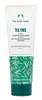 Key Ingredients
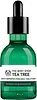
Benefits
Concerns
Ingredients Side-by-side
Water
Skin ConditioningKaolin
Abrasive



Glycerin
Humectant


Propanediol
Solvent
Perlite
Absorbent
Argilla
Abrasive
Xanthan Gum
EmulsifyingCocamidopropyl Betaine
Cleansing


Sodium Laureth Sulfate
Cleansing

Decyl Glucoside
Cleansing
PEG-7 Glyceryl Cocoate
Emulsifying
Alcohol Denat.
Antimicrobial

Jojoba Esters
Emollient
Phenoxyethanol
Preservative
Melaleuca Alternifolia Leaf Oil
Antioxidant



Sodium Chloride
MaskingCitric Acid
Buffering

Salicylic Acid
Masking

Calophyllum Inophyllum Seed Oil
Antimicrobial

Ethylhexylglycerin
Skin ConditioningMenthol
Masking
Trisodium Ethylenediamine Disuccinate
Sodium Benzoate
Masking
Tetrasodium Pyrophosphate
BufferingLeptospermum Petersonii Oil
Masking
Tocopherol
Antioxidant


CI 77891
Cosmetic ColorantCI 77499
Cosmetic ColorantWater, Kaolin, Glycerin, Propanediol, Perlite, Argilla, Xanthan Gum, Cocamidopropyl Betaine, Sodium Laureth Sulfate, Decyl Glucoside, PEG-7 Glyceryl Cocoate, Alcohol Denat., Jojoba Esters, Phenoxyethanol, Melaleuca Alternifolia Leaf Oil, Sodium Chloride, Citric Acid, Salicylic Acid, Calophyllum Inophyllum Seed Oil, Ethylhexylglycerin, Menthol, Trisodium Ethylenediamine Disuccinate, Sodium Benzoate, Tetrasodium Pyrophosphate, Leptospermum Petersonii Oil, Tocopherol, CI 77891, CI 77499
Water
Skin ConditioningAlcohol Denat.
Antimicrobial
Propanediol
Solvent
PPG-26-Buteth-26
Skin ConditioningPhenoxyethanol
Preservative
PEG-40 Hydrogenated Castor Oil
Emulsifying
Melaleuca Alternifolia Leaf Oil
Antioxidant
Caprylyl Glycol
Emollient
Ammonium Acryloyldimethyltaurate/Vp Copolymer
Salicylic Acid
Masking
Xanthan Gum
EmulsifyingCalophyllum Inophyllum Seed Oil
Antimicrobial
Disodium EDTA
Medicago Sativa Extract
TonicPotassium Hydroxide
BufferingAloe Barbadensis Leaf Juice Powder
Skin Conditioning
Limonene
Perfuming
Sodium Hyaluronate
Humectant
Citral
Perfuming
T-Butyl Alcohol
Perfuming
Sodium Benzoate
Masking
Citronellol
Perfuming
Leptospermum Petersonii Oil
Masking
Tocopherol
Antioxidant
Water, Alcohol Denat., Propanediol, PPG-26-Buteth-26, Phenoxyethanol, PEG-40 Hydrogenated Castor Oil, Melaleuca Alternifolia Leaf Oil, Caprylyl Glycol, Ammonium Acryloyldimethyltaurate/Vp Copolymer, Salicylic Acid, Xanthan Gum, Calophyllum Inophyllum Seed Oil, Disodium EDTA, Medicago Sativa Extract, Potassium Hydroxide, Aloe Barbadensis Leaf Juice Powder, Limonene, Sodium Hyaluronate, Citral, T-Butyl Alcohol, Sodium Benzoate, Citronellol, Leptospermum Petersonii Oil, Tocopherol
Reviews
Ingredients Explained
These ingredients are found in both products.
Ingredients higher up in an ingredient list are typically present in a larger amount.
Alcohol Denat. is an alcohol with a denaturant property. It is created by mixing ethanol with other additives.
The "denat" part just means "denatured"; common denaturants include Denatonium Benzoate, t-butyl alcohol, and Diethyl Phthalate. This step makes the alcohol undrinkable (and lets brand skip taxes related to beverage alcohol).
This ingredient gets a bad rep because it is irritating and drying due to its astringent property. Astringents draw out natural oils in tissue to constrict pores and dry out your skin.
However, alcohol denat. is not all that bad.
Due to its low molecular weight, alcohol denat. tends to evaporate quickly. One study on pig skin found half of applied alcohol evaporated in 10 seconds and less than 3% stayed on skin.
This also helps other ingredients become better absorbed upon application.
Studies are conflicted about whether this ingredient causes skin dehydration. One study from 2005 found adding emollients to propanol-based sanitizer decreased skin dryness and irritation. Another study found irritation only occurs if your skin is already damaged.
Small amounts of alcohol are generally tolerated by oily skin or people who live in humid environments.
The rule of thumb is this ingredient will probably not affect your skin much if it is near the end of an ingredients list.
One thing to note:
People with ALDH2 (aldehyde dehydrogenase 2) deficiency may experience skin irritation from continued alcohol use. About 8% of the world's population have this deficiency.
The Cosmetic Ingredient Review Expert Panel has determined denatured alcohols to be safe for use in concentrations between 0.05% and 12% (depending on which denaturant is used).
Also...
This ingredient has antimicrobial and solvent properties.
The antimicrobial property helps preserve products and increase their shelf life. As a solvent, it helps dissolve other ingredients.
Look for formulas that contain glycerin, hyaluronic acid, or panthenol if you want to offset any drying effect.
This ingredient will trip away your skin's natural oils/lipids that help it lock in moisture. This can worsen dryness, trigger eczema flare-ups, and aggravate rosacea.
Be sure to patch test any product with this ingredient if you have dry or sensitive skin, eczema, or rosacea.
Learn more about Alcohol Denat.Calophyllum Inophyllum Seed Oil comes from the Tamanu tree. This tree grows in tropical regions of Asia and Polynesian countries such as Fiji.
Calophyllum Inophyllum Seed Oil contains many fatty acids such as linoleic, oleic, stearic, and palmitic acid. These properties help your skin stay hydrated.
As an antioxidant, Calophyllum Inophyllum Seed Oil may also slow down the signs of aging. Antioxidants help fight unstable free-radical molecules. These molecules may damage your skin cells and speed up aging. By helping to stabilize these molecules, antioxidants may help slow the signs of aging.
A study from 2015 found Tamanu oil to have antibacterial and anti-inflammatory properties.
Another study from 2009 found Tamanu Oil to help absorb UV rays. However, this should not replace your sunscreen.
Due to the fatty acid content, this ingredient may not be fungal-acne safe.
Learn more about Calophyllum Inophyllum Seed OilLeptospermum Petersonii Oil is a fragrance and is an oil.
This tea tree oil comes from the leaves of the Tea Tree plant. Tea tree oil has antioxidant, anti-inflammatory, and antimicrobial properties.
According to the book Journal of Profiles of Drug Substances, tea tree helps in reducing acne-causing bacteria such as Propionibacterium acnes. This is due to the Terpinen components of tea tree oil.
Tea tree may cause sensitivity and irritation for some people. This oil naturally contains fragrance such as linalool and limonene.
However, research shows irritation usually occurs when using pure tea tree oil and not in cosmetic products.
Tea tree oil was found to help relieve the symptoms of psoriasis in one study.
Tea tree oil is toxic when ingested. Another study showed it to caused damage to the nervous system of dogs and cats when applied to their skin or given orally.
Learn more about Melaleuca Alternifolia Leaf OilPhenoxyethanol is a preservative that has germicide, antimicrobial, and aromatic properties. Studies show that phenoxyethanol can prevent microbial growth. By itself, it has a scent that is similar to that of a rose.
It's often used in formulations along with Caprylyl Glycol to preserve the shelf life of products.
Propanediol is an all-star ingredient. It softens, hydrates, and smooths the skin.
It’s often used to:
Propanediol is not likely to cause sensitivity and considered safe to use. It is derived from corn or petroleum with a clear color and no scent.
Learn more about PropanediolSalicylic Acid (also known as beta hydroxy acid or BHA) is a well-known ingredient for treating skin that struggles with acne and clogged pores. It exfoliates both the skin's surface and deep within the pores to help clear out buildup, control oil, and reduce inflammation.
Unlike AHAs (alpha hydroxy acids), salicylic acid is oil-soluble. This allows it to penetrate into pores which makes it especially effective for treating blackheads and preventing future breakouts.
Salicylic acid is also known for its soothing properties. It has a similar structure to aspirin and can calm inflamed or irritated skin, making it a good option for acne-prone skin that is also sensitive.
Concentrations of 0.5-2% are recognized by the U.S. FDA as an over-the-counter topical acne product.
It can cause irritation and/or dryness if one's skin already has a compromised moisture barrier, so it's best to focus on repairing that before introducing this ingredient into your routine.
While salicylic acid does not increase sun sensitivity, it’s still important to wear sunscreen daily to protect your skin.
If you are looking for the ingredient called BHA or Butylated Hydroxyanisole, click here.
Learn more about Salicylic AcidSodium Benzoate is a preservative. It's used in both cosmetic and food products to inhibit the growth of mold and bacteria. It is typically produced synthetically.
Both the US FDA and EU Health Committee have approved the use of sodium benzoate. In the US, levels of 0.1% (of the total product) are allowed.
Sodium benzoate works as a preservative by inhibiting the growth of bacteria inside of cells. It prevents the cell from fermenting a type of sugar using an enzyme called phosphofructokinase.
It is the salt of benzoic acid. Foods containing sodium benzoate include soda, salad dressings, condiments, fruit juices, wines, and snack foods.
Studies for using ascorbic acid and sodium benzoate in cosmetics are lacking, especially in skincare routines with multiple steps.
We always recommend speaking with a professional, such as a dermatologist, if you have any concerns.
Learn more about Sodium BenzoateTocopherol (also known as Vitamin E) is a common antioxidant used to help protect the skin from free-radicals and strengthen the skin barrier. It's also fat soluble - this means our skin is great at absorbing it.
Vitamin E also helps keep your natural skin lipids healthy. Your lipid skin barrier naturally consists of lipids, ceramides, and fatty acids. Vitamin E offers extra protection for your skin’s lipid barrier, keeping your skin healthy and nourished.
Another benefit is a bit of UV protection. Vitamin E helps reduce the damage caused by UVB rays. (It should not replace your sunscreen). Combining it with Vitamin C can decrease sunburned cells and hyperpigmentation after UV exposure.
You might have noticed Vitamin E + C often paired together. This is because it is great at stabilizing Vitamin C. Using the two together helps increase the effectiveness of both ingredients.
There are often claims that Vitamin E can reduce/prevent scarring, but these claims haven't been confirmed by scientific research.
Learn more about TocopherolWater. It's the most common cosmetic ingredient of all. You'll usually see it at the top of ingredient lists, meaning that it makes up the largest part of the product.
So why is it so popular? Water most often acts as a solvent - this means that it helps dissolve other ingredients into the formulation.
You'll also recognize water as that liquid we all need to stay alive. If you see this, drink a glass of water. Remember to stay hydrated!
Learn more about WaterXanthan gum is used as a stabilizer and thickener within cosmetic products. It helps give products a sticky, thick feeling - preventing them from being too runny.
On the technical side of things, xanthan gum is a polysaccharide - a combination consisting of multiple sugar molecules bonded together.
Xanthan gum is a pretty common and great ingredient. It is a natural, non-toxic, non-irritating ingredient that is also commonly used in food products.
Learn more about Xanthan Gum
