

What's inside
What's inside
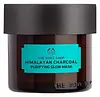 Key Ingredients
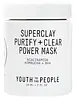
Benefits
Concerns
Ingredients Side-by-side
Water
Skin ConditioningKaolin
Abrasive



Moroccan Lava Clay
Abrasive
Magnesium Aluminum Silicate
Absorbent
Alcohol Denat.
Antimicrobial




Camellia Sinensis Leaf
Perfuming



PEG-40 Hydrogenated Castor Oil
Emulsifying

Pumice
Abrasive
Argania Spinosa Shell Powder
Abrasive
Phenoxyethanol
Preservative
Xanthan Gum
EmulsifyingParfum
Masking
Charcoal Powder
Abrasive
Ethylhexylglycerin
Skin ConditioningCaprylhydroxamic Acid
Argania Spinosa Kernel Oil
Emollient


Butyrospermum Parkii Butter
Skin Conditioning

Limonene
Perfuming
Linalool
Perfuming
Methylpropanediol
SolventAloe Barbadensis Leaf Juice Powder
Skin Conditioning
Menthol
Masking
Disodium EDTA
Tetrasodium Pyrophosphate
BufferingMelaleuca Alternifolia Leaf Oil
Antioxidant

Eucalyptus Globulus Leaf Oil
Perfuming
Citric Acid
Buffering

Menthoxypropanediol
Masking
Citral
Perfuming
Geraniol
Perfuming
Coumarin
Perfuming
Caramel
Cosmetic ColorantWater, Kaolin, Moroccan Lava Clay, Magnesium Aluminum Silicate, Alcohol Denat., Camellia Sinensis Leaf, PEG-40 Hydrogenated Castor Oil, Pumice, Argania Spinosa Shell Powder, Phenoxyethanol, Xanthan Gum, Parfum, Charcoal Powder, Ethylhexylglycerin, Caprylhydroxamic Acid, Argania Spinosa Kernel Oil, Butyrospermum Parkii Butter, Limonene, Linalool, Methylpropanediol, Aloe Barbadensis Leaf Juice Powder, Menthol, Disodium EDTA, Tetrasodium Pyrophosphate, Melaleuca Alternifolia Leaf Oil, Eucalyptus Globulus Leaf Oil, Citric Acid, Menthoxypropanediol, Citral, Geraniol, Coumarin, Caramel
Water
Skin ConditioningKaolin
Abrasive
Stearyl Alcohol
Emollient
Propanediol
Solvent
Glycerin
Humectant
Glyceryl Stearate
Emollient
Niacinamide
Smoothing

Oryza Sativa Starch
AbsorbentBentonite
Absorbent
Cetyl Alcohol
Emollient
Magnesium Aluminum Silicate
Absorbent
Montmorillonite
AbsorbentIllite
Abrasive
Calcite
Skin ConditioningSalicylic Acid
Masking
Salix Purpurea Bark Extract
Skin ConditioningSaccharomyces/Xylinum/Black Tea Ferment
Skin Conditioning
Allantoin
Skin Conditioning
Carthamus Tinctorius Seed Oil
Masking
Indocyanine Green
UV AbsorberAloe Barbadensis Leaf Juice
Skin Conditioning
Glyceryl Acrylate/Acrylic Acid Copolymer
HumectantCetearyl Olivate
Sorbitan Olivate
Emulsifying
Triticum Aestivum Leaf Extract
Antioxidant
Lactic Acid
Buffering
Sorbitan Stearate
Emulsifying
Caprylhydroxamic Acid
Charcoal Powder
Abrasive
Sodium Citrate
Buffering1,2-Hexanediol
Skin Conditioning
Phenoxyethanol
Preservative
Quartz
Abrasive
Silica
Abrasive
Sodium Benzoate
Masking
Potassium Sorbate
Preservative
Maltodextrin
Absorbent
Gardenia Florida Fruit Extract
Skin ConditioningWater, Kaolin, Stearyl Alcohol, Propanediol, Glycerin, Glyceryl Stearate, Niacinamide, Oryza Sativa Starch, Bentonite, Cetyl Alcohol, Magnesium Aluminum Silicate, Montmorillonite, Illite, Calcite, Salicylic Acid, Salix Purpurea Bark Extract, Saccharomyces/Xylinum/Black Tea Ferment, Allantoin, Carthamus Tinctorius Seed Oil, Indocyanine Green, Aloe Barbadensis Leaf Juice, Glyceryl Acrylate/Acrylic Acid Copolymer, Cetearyl Olivate, Sorbitan Olivate, Triticum Aestivum Leaf Extract, Lactic Acid, Sorbitan Stearate, Caprylhydroxamic Acid, Charcoal Powder, Sodium Citrate, 1,2-Hexanediol, Phenoxyethanol, Quartz, Silica, Sodium Benzoate, Potassium Sorbate, Maltodextrin, Gardenia Florida Fruit Extract
Reviews
Ingredients Explained
These ingredients are found in both products.
Ingredients higher up in an ingredient list are typically present in a larger amount.
Caprylhydroxamic Acid is a chelating agent that helps cosmetics stay fresh, stable, and consistent over time.
Chelating agents help prevent metal ions from binding to other ingredients. This helps prevent unwanted reactions and effects from using the product. It also helps prevent the growth of unwanted microbes in products that contain water.
Caprylhydroxamic Acid is often used with natural antimicrobial products as an alternative to preservatives.
Learn more about Caprylhydroxamic AcidCharcoal powder comes from grounded charcoal. Charcoal can originate from peat, bamboo, coal, wood, coconut shell, or petroleum.
This ingredient has absorbent properties, making it great at absorbing oil.
Kaolin is a clay. It is used for oil control and to help minimize pores. Like other clays, kaolin has the ability to absorb excess sebum or oil. This can help clean out pores and mattify the skin.
Some types of kaolin may have exfoliating properties. When water is added to kaolin, it becomes a paste with small abrasive particles.
Most kaolin is a white color, but may be pink/orange/red depending on where it comes from.
The name 'kaolin' comes from a Chinese village named 'Gaoling'. Kaolin clay comes from rocks rich in kaolinite. Kaolinite, the mineral, has a silicate layered structure. Kaolinite is formed from chemical weathering of aluminum siilicate minerals.
Besides skincare, kaolin is commonly used to make glossy paper, in ceramics, toothpaste, and as medicine to soothe stomach issues.
Learn more about KaolinMagnesium Aluminum Silicate is a type of silica. It comes from naturally occuring minerals such as silicate ores and clay.
Magnesium aluminum silicate is used for enhancing texture and as an absorbent. Due to its large molecular size, it is unable to be absorbed into the skin.
Like other types of silica, this ingredient can be used to thicken a product. As an absorbent, it may be used to absorb extra water or help prevent clumping.
Although “aluminum” in an ingredient name can raise red flags for some consumers, the form and usage context matter significantly. For typical topical applications, there is no substantial evidence of health risks - such as cancer, neurotoxicity, or systemic “aluminum overload.”
Learn more about Magnesium Aluminum SilicatePhenoxyethanol is one of the most widely used preservatives in skincare (and for good reason!).
It has a large spectrum of antimicrobial activity and especially effective bacteria, yeast, and mold while only having a weak effect on your skin's natural microbiome.
On a cellular level, it disrupts the cell membranes of microbes by poking holes that make the cell leak. This shuts down the chemical reactions the microbe needs to make energy so it can no longer survive.
Another perk of this ingredient is that it stays functional across a wide pH range (3-10).
You'll often see it paired with boosters like Ethylhexylglycerin; one study showed that a 1:9 ratio of Ethylhexylglycerin to Phenoxyethanol damages bacterial membranes as effectively as doubling the Phenoxyethanol concentration on its own.
Typical use concentrations range from 0.3-1% depending on the formula, and this ingredient is capped at 1% int the EU.
Safety-wise, the fear mongering does not hold up to the evidence. The EU's Scientific Committee on Consumer Safety and FDA consider it safe as a preservative at up to 1%, including for children of all ages.
Adverse systemic effects only showed up in animal studies at exposures roughly 200x higher than what people get from cosmetics. And despite its very widespread use, this ingredient is a rare sensitizer and allergic reactions are uncommon.
Learn more about PhenoxyethanolWater. It's the most common cosmetic ingredient of all. You'll usually see it at the top of ingredient lists, meaning that it makes up the largest part of the product.
So why is it so popular? Water most often acts as a solvent - this means that it helps dissolve other ingredients into the formulation.
You'll also recognize water as that liquid we all need to stay alive. If you see this, drink a glass of water. Remember to stay hydrated!
Learn more about Water

