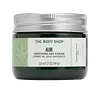
This calming day moisturizer is formulated around Caprylic/Capric Triglyceride and Aloe Barbadensis Leaf Juice Powder to calm redness and hydrate skin.
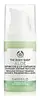
This calming eye moisturizer is formulated around Panthenol and Aloe Barbadensis Leaf Juice Powder to calm redness and hydrate skin.

What's inside
What's inside
 Key Ingredients
No key ingredients
Benefits
Concerns
Ingredients Side-by-side
Water
Skin ConditioningCaprylic/Capric Triglyceride
Masking


Cocos Nucifera Oil
Masking






Glycerin
Humectant
Propanediol
Solvent
Butylene Glycol
Humectant
Cetearyl Alcohol
Emollient
Myristyl Myristate
Emollient
Sesamum Indicum Seed Oil
Emollient
Cetyl Alcohol
Emollient
Myristyl Alcohol
Emollient
Stearic Acid
Cleansing
Cetearyl Glucoside
Emulsifying
Palmitic Acid
Emollient
Phenoxyethanol
Preservative
Caprylyl Glycol
Emollient
Aloe Barbadensis Leaf Juice Powder
Skin Conditioning

Acrylates/C10-30 Alkyl Acrylate Crosspolymer
Emulsion StabilisingMyristyl Glucoside
CleansingSodium Gluconate
ChelatingCentella Asiatica Leaf Extract
Skin Conditioning
Sodium Hydroxide
BufferingXanthan Gum
EmulsifyingMyristic Acid
Cleansing
Water, Caprylic/Capric Triglyceride, Cocos Nucifera Oil, Glycerin, Propanediol, Butylene Glycol, Cetearyl Alcohol, Myristyl Myristate, Sesamum Indicum Seed Oil, Cetyl Alcohol, Myristyl Alcohol, Stearic Acid, Cetearyl Glucoside, Palmitic Acid, Phenoxyethanol, Caprylyl Glycol, Aloe Barbadensis Leaf Juice Powder, Acrylates/C10-30 Alkyl Acrylate Crosspolymer, Myristyl Glucoside, Sodium Gluconate, Centella Asiatica Leaf Extract, Sodium Hydroxide, Xanthan Gum, Myristic Acid
Water
Skin ConditioningGlyceryl Stearate Citrate
Emollient
Pentylene Glycol
Skin Conditioning
Cyclopentasiloxane
Emollient
Hydroxypropyl Starch Phosphate
Cetearyl Alcohol
Emollient
Cyclohexasiloxane
Emollient
Propanediol
Solvent
Alpha-Glucan Oligosaccharide
Cleansing
Betaine
Humectant
Sesamum Indicum Seed Oil
Emollient
Caprylic/Capric Triglyceride
Masking
Panthenol
Skin Conditioning
Potassium Phosphate
BufferingMyristamidopropyl Pg-Dimonium Chloride Phosphate
Skin ConditioningAloe Barbadensis Leaf Juice Powder
Skin Conditioning
Dipotassium Phosphate
BufferingAllantoin
Skin Conditioning
Hydrogenated Vegetable Oil
Emollient
Sodium Stearoyl Glutamate
CleansingCaprylhydroxamic Acid
ChelatingTrisodium Ethylenediamine Disuccinate
ChelatingBisabolol
Antioxidant
Polygonum Fagopyrum Seed Extract
Skin ConditioningSodium Hydroxide
BufferingTocopherol
Antioxidant


Citric Acid
Buffering
Water, Glyceryl Stearate Citrate, Pentylene Glycol, Cyclopentasiloxane, Hydroxypropyl Starch Phosphate, Cetearyl Alcohol, Cyclohexasiloxane, Propanediol, Alpha-Glucan Oligosaccharide, Betaine, Sesamum Indicum Seed Oil, Caprylic/Capric Triglyceride, Panthenol, Potassium Phosphate, Myristamidopropyl Pg-Dimonium Chloride Phosphate, Aloe Barbadensis Leaf Juice Powder, Dipotassium Phosphate, Allantoin, Hydrogenated Vegetable Oil, Sodium Stearoyl Glutamate, Caprylhydroxamic Acid, Trisodium Ethylenediamine Disuccinate, Bisabolol, Polygonum Fagopyrum Seed Extract, Sodium Hydroxide, Tocopherol, Citric Acid
Reviews
Ingredients Explained
These ingredients are found in both products.
Ingredients higher up in an ingredient list are typically present in a larger amount.
Aloe Barbadensis Leaf Juice Powder comes from the aloe plant.
You may know Aloe to be a good sunburn reliever and inflammation reducer. This is because it contains many components that are known to help reduce irritation and itchiness.
Aloe leaves are also great moisturizers. They are naturally rich in polysaccharides, a carbohydrate made of sugars. Polysaccharides are able to mimic the carbs found in the top layer of your skin. This can help keep your skin hydrated.
Aloe contains the antioxidants Vitamins A, C, and E. These vitamins neutralize free radicals. Free-radicals are molecules that may damage your skin cells, such as pollution.
Aloe does not protect against UV rays, despite it soothing sunburns.
Learn more about Aloe Barbadensis Leaf Juice PowderCaprylic/Capric Triglyceride (aka MCT Oil) is a lightweight emollient, solvent, and texture enhancer. It is considered a skin-softener by helping to prevent moisture loss.
Though it behaves like an oil, it is not technically one due to its chemical composition. One perk of this ingredient is that it is very stable, resistant to oxidation, and unlikely to go rancid.
In practice, that translates to a long shelf life and a consistently elegant skin feel.
While there is an assumption Caprylic Triglyceride can clog pores due to it being derived from coconut oil, there is no research supporting this. Just patch test if you have concerns.
Fractionated coconut oil and MCT Oil are both listed as Caprylic/Capric Triglyceride according to INCI. This is because INCI names are based on the ingredient’s final chemical composition and not its marketing name or source.
This ingredient is treated as the gold standard fungal acne safe oil. Even though it is coconut derived, the problematic lauric acid is stripped out.
This leaves just caprylic (C8) and capric (C10) acid. These chain lengths actually trend antifungal; a 2020 study found caprylic acid was enough to disrupt Malassezia furfur cell membrane, with a caprylic acid derivative damaging membrane structures at concentrations as low as 0.2%.
Learn more about Caprylic/Capric TriglycerideCetearyl alcohol is a waxy mixture of two fatty alcohols: cetyl alcohol and stearyl alcohol. It is an emollient and emulsifier.
Despite having "alcohol" in its name, it has nothing to do with drying solvent alcohols; the FDA also allows "alcohol-free" products to contain fatty alcohols like this ingredient.
It plays several roles in a formula:
Typical use levels for this ingredient sit around 1-10% and the Cosmetic Ingredient Review Expert Panel has affirmed safety at concentrations up to 25% in leave-on products.
Multiple assessments have found it to be non-irritating and non-sensitizing to most people.
However, there have been some cases of allergic contact dermatitis in patients with chronically compromised skin barriers.
Cetearyl alcohol has a comedogenic rating of 2 and irritancy rating of 1. Both of these numbers come from the 1989 study that used rabbit ears; a "2" means mildly comedogenic and a "1" means low irritancy.
Here's the catch: rabbit skin is more sensitive than human skin and throws a lot of false positives. A 1996 reappraisal found that ingredients rated 1-2 in the rabbit ear tests are generally safe for humans.
Remember comedogenic ratings are unable to assess the entire formula of a product or how it will react on your skin. Just be sure to patch test if you are unsure about certain ingredients.
This ingredient is not fungal acne safe. Cetearyl alcohol is a fatty alcohol with chain lengths that fall within the range that Malassezia can metabolize.
A 2019 study has also observed Malassezia growth in the presence of this ingredient, confirming it to be not-fungal acne safe.
Learn more about Cetearyl AlcoholPropanediol is an all-star ingredient. It softens, hydrates, and smooths the skin.
It’s often used to:
Propanediol is not likely to cause sensitivity and considered safe to use. It is derived from corn or petroleum with a clear color and no scent.
Learn more about PropanediolSesamum Indicum Seed Oil is the cold-pressed oil from sesame seeds.
It is an emollient and skin conditioning agent made up of roughly 82-85% unsaturated fatty acids, mostly linoleic (~41%) and oleic acid (~39%).
This pairing gives it barrier-supporting and moisturizing properties. Linoleic acid, an essential omega-6 fatty acid, can be incorporated into complex skin lipids. Topical application has shown barrier repair, anti-inflammatory, and wound-healing effects in cell and animal studies.
Beyond fatty acids, sesame oil brings something more distinctive to the table:
It contains natural antioxidants sesamol, sesamolin, and gamma-tocopherol. These also give the oil notably high oxidative stability.
One of the oil's key lignans, sesamin, has also demonstrated anti-inflammatory activity in preclinical models.
A 2023 clinical study found that a single application of sesame seed oil to the forearms of 35 healthy women improved stratum corneum hydration (though it didn't outperform raspberry seed oil).
The comedogenic rating of 1-3 depends on the type of sesame oil; unrefined carries a rating of 3 while refined sesame oil drops to a 1.
Human testing has proved that any finished product with a comedogenic ingredient won't automatically make you break out; it really comes down to concentration, formula, and your skin.
This ingredient may not be safe for fungal acne as it contains fatty acids that can feed Malassezia.
Learn more about Sesamum Indicum Seed OilSodium Hydroxide is also known as lye or caustic soda. It is used to adjust the pH of products; many ingredients require a specific pH to be effective.
In small amounts, sodium hydroxide is considered safe to use. However, large amounts may cause chemical burns due to its high alkaline.
Your skin has a natural pH and acid mantle. This acid mantle helps prevent harmful bacteria from breaking through. The acid mantle also helps keep your skin hydrated.
"Alkaline" refers to a high pH level. A low pH level would be considered acidic.
Learn more about Sodium HydroxideWater. It's the most common cosmetic ingredient of all. You'll usually see it at the top of ingredient lists, meaning that it makes up the largest part of the product.
So why is it so popular? Water most often acts as a solvent - this means that it helps dissolve other ingredients into the formulation.
You'll also recognize water as that liquid we all need to stay alive. If you see this, drink a glass of water. Remember to stay hydrated!
Learn more about Water

