
What's inside
What's inside
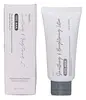 Key Ingredients
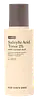
Benefits
Concerns
Ingredients Side-by-side
Glycolic Acid
Buffering










Stearic Acid
Cleansing


Glyceryl Stearate
Emollient
Dimethicone
Emollient
Cetyl Alcohol
Emollient

Propylene Glycol
Humectant
Glycerin
Humectant
Cyclopentasiloxane
Emollient
Octyldodecanol
Emollient
Sodium Polyacryloyldimethyl Taurate
Emulsion StabilisingPhenoxyethanol
Preservative
Hydrogenated Polydecene
EmollientTriethanolamine
BufferingRibes Nigrum Seed Oil
Emollient
Disodium EDTA
Helianthus Annuus Seed Oil Unsaponifiables
Emollient
Trideceth-10
CleansingCardiospermum Halicacabum Flower/Leaf/Vine Extract
Skin ConditioningHelianthus Annuus Seed Oil
Emollient
Tocopherol
Antioxidant


Rosmarinus Officinalis Leaf Extract
AntimicrobialGlycolic Acid, Stearic Acid, Glyceryl Stearate, Dimethicone, Cetyl Alcohol, Propylene Glycol, Glycerin, Cyclopentasiloxane, Octyldodecanol, Sodium Polyacryloyldimethyl Taurate, Phenoxyethanol, Hydrogenated Polydecene, Triethanolamine, Ribes Nigrum Seed Oil, Disodium EDTA, Helianthus Annuus Seed Oil Unsaponifiables, Trideceth-10, Cardiospermum Halicacabum Flower/Leaf/Vine Extract, Helianthus Annuus Seed Oil, Tocopherol, Rosmarinus Officinalis Leaf Extract
Water
Skin ConditioningButylene Glycol
Humectant
Glycerin
Humectant
Pentylene Glycol
Skin Conditioning
Salicylic Acid
Masking

Amylopectin
Dextrin
AbsorbentXanthan Gum
EmulsifyingPanthenol
Skin Conditioning
Succinic Acid
BufferingTranexamic Acid
Astringent
Allantoin
Skin Conditioning
Propylene Glycol
Humectant
Camellia Sinensis Leaf Extract
Antimicrobial
Centella Asiatica Leaf Extract
Skin Conditioning
Aloe Barbadensis Leaf Extract
Emollient
Sodium Hyaluronate
Humectant
Opuntia Ficus-Indica Extract
Skin Conditioning
Phenoxyethanol
Preservative
Disodium EDTA
1,2-Hexanediol
Skin Conditioning
Citric Acid
Buffering
Potassium Sorbate
Preservative
Sodium Benzoate
Masking
Ethylhexylglycerin
Skin ConditioningWater, Butylene Glycol, Glycerin, Pentylene Glycol, Salicylic Acid, Amylopectin, Dextrin, Xanthan Gum, Panthenol, Succinic Acid, Tranexamic Acid, Allantoin, Propylene Glycol, Camellia Sinensis Leaf Extract, Centella Asiatica Leaf Extract, Aloe Barbadensis Leaf Extract, Sodium Hyaluronate, Opuntia Ficus-Indica Extract, Phenoxyethanol, Disodium EDTA, 1,2-Hexanediol, Citric Acid, Potassium Sorbate, Sodium Benzoate, Ethylhexylglycerin
Ingredients Explained
These ingredients are found in both products.
Ingredients higher up in an ingredient list are typically present in a larger amount.
Disodium EDTA is a chelating agent. It grabs onto and deactivates metal ions that sneak into your products from water, packaging, or air.
This ingredient mainly works behind the scenes and helps with:
On top of that, this ingredient can counteract the effects of hard water by binding to the minerals in it.
One thing worth knowing is that Disodium EDTA has been shown to be a mild penetration enhancer. It can help other ingredients absorb into skin more effectively which can be a double-edged sword (great for actives, but can also make the active too strong if you have sensitive skin).
Clinical patch testing showed no significant skin irritation at typical use concentrations and minimal dermal absorption.
You'll most likely see this ingredient near the end of an ingredient list. It's typically found in concentrations less than 1%.
Learn more about Disodium EDTAGlycerin (or glycerol) is a compound naturally found in your skin. It's a powerhouse humectant that pulls water into the stratum corneum.
Topically, glycerin does several things at once:
Your skin makes glycerin on its own (mostly from sebaceous oil breakdown) and shuttles it to your outermost layer of skin, or your epidermis, via aquaporin-3.
Aquaporin-3 is a transporter that is essential for normal skin hydration, elasticity, and repair. Interestingly, mice lacking in AQP3 have dry and less elastic skin that can be fully corrected with glycerin.
This ingredient is non-irritating, plays well with almost every ingredient, and works across all skin types. Typical use is anywhere between 3-10% but can go up to 79% in some leave-on products.
Just know very high concentrations (>40%) can feel tacky in low humidity.
Glycerin is the name for this ingredient in American English. British English uses Glycerol/Glycerine.
Learn more about GlycerinPhenoxyethanol is a preservative that has germicide, antimicrobial, and aromatic properties. Studies show that phenoxyethanol can prevent microbial growth. By itself, it has a scent that is similar to that of a rose.
It's often used in formulations along with Caprylyl Glycol to preserve the shelf life of products.
Propylene Glycol is a synthetic, colorless, odorless liquid that has been a staple in cosmetics for decades. It is a skin conditioning agent, humectant, and solvent.
As a humectant, it draw water to the skin to reduce flaking and restore suppleness. It's also a solvent that helps dissolve other actives and keeps formulas stable across temperature changes.
The CIR Expert Panel has confirmed this ingredient to be nontoxic and clinical studies show no sensitization at cosmetic use concentrations.
True allergic reactions are quite rare: a 15-year retrospective study of 6,751 patients found only 0.31% had a positive reaction (and less than half were considered clinically relevant).
It seemed that when sensitization does occur, it's most commonly linked to topical medication (like corticosteroids) and not cosmetics. Allergic contact dermatitis also appears largely limited to individuals with underlying skin conditions.
Overall, propylene glycol is a well-studied ingredient that most people can tolerate without issue.
Learn more about Propylene Glycol
