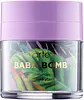
This barrier-repair moisturizer is formulated around Olea Europaea Fruit Oil and Orbignya Oleifera Seed Oil to strengthen the skin barrier and hydrate skin.
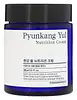
This barrier-repair moisturizer is formulated around Astragalus Membranaceus Root Extract and Butyrospermum Parkii Butter to strengthen the skin barrier and hydrate skin.


What's inside
What's inside
 Key Ingredients
Benefits
Concerns
Ingredients Side-by-side
Water
Skin ConditioningCetyl Ethylhexanoate
EmollientGlycerin
Humectant


Butylene Glycol
Humectant
Hydrogenated Polydecene
EmollientPentylene Glycol
Skin Conditioning
Tribehenin PEG-20 Esters
EmollientHydrogenated Polyisobutene
EmollientOlea Europaea Fruit Oil
Masking





Glyceryl Stearate
Emollient
Orbignya Oleifera Seed Oil
Emollient
Palmitic Acid
Emollient
Sodium Acrylate/Sodium Acryloyldimethyl Taurate Copolymer
Emulsion StabilisingStearic Acid
Cleansing
Vinyldimethicone

Isohexadecane
EmollientTromethamine
BufferingAcrylates/C10-30 Alkyl Acrylate Crosspolymer
Emulsion StabilisingPolysorbate 80
Emulsifying
Persea Gratissima Oil
Skin Conditioning
Sorbitan Oleate
Emulsifying
Disodium EDTA
ChelatingMyristic Acid
Cleansing
Camellia Sinensis Seed Oil
Humectant
Camellia Sinensis Leaf Extract
Antimicrobial





1,2-Hexanediol
Skin Conditioning
Sodium Hyaluronate
Humectant
Hydrolyzed Ginseng Saponins
Skin ConditioningWater, Cetyl Ethylhexanoate, Glycerin, Butylene Glycol, Hydrogenated Polydecene, Pentylene Glycol, Tribehenin PEG-20 Esters, Hydrogenated Polyisobutene, Olea Europaea Fruit Oil, Glyceryl Stearate, Orbignya Oleifera Seed Oil, Palmitic Acid, Sodium Acrylate/Sodium Acryloyldimethyl Taurate Copolymer, Stearic Acid, Vinyldimethicone, Isohexadecane, Tromethamine, Acrylates/C10-30 Alkyl Acrylate Crosspolymer, Polysorbate 80, Persea Gratissima Oil, Sorbitan Oleate, Disodium EDTA, Myristic Acid, Camellia Sinensis Seed Oil, Camellia Sinensis Leaf Extract, 1,2-Hexanediol, Sodium Hyaluronate, Hydrolyzed Ginseng Saponins
Astragalus Membranaceus Root Extract
Emollient
Butylene Glycol
Humectant
Cetyl Ethylhexanoate
EmollientButylene Glycol Dicaprylate/Dicaprate
EmollientHydrogenated Polydecene
EmollientButyrospermum Parkii Butter
Skin Conditioning
Cyclopentasiloxane
Emollient
Cetearyl Alcohol
Emollient

Macadamia Integrifolia Seed Oil
Skin Conditioning
Polysorbate 60
Emulsifying
1,2-Hexanediol
Skin Conditioning
Beeswax
Emulsion Stabilising
Glyceryl Stearate
Emollient
Cyclohexasiloxane
Emollient
Sodium Hyaluronate
Humectant
Sorbitan Sesquioleate
Emulsifying
Sodium Acrylate/Sodium Acryloyldimethyl Taurate Copolymer
Emulsion StabilisingIsohexadecane
EmollientPolysorbate 80
Emulsifying
PEG-100 Stearate
Surfactant
Glyceryl Caprate
EmollientAstragalus Membranaceus Root Extract, Butylene Glycol, Cetyl Ethylhexanoate, Butylene Glycol Dicaprylate/Dicaprate, Hydrogenated Polydecene, Butyrospermum Parkii Butter, Cyclopentasiloxane, Cetearyl Alcohol, Macadamia Integrifolia Seed Oil, Polysorbate 60, 1,2-Hexanediol, Beeswax, Glyceryl Stearate, Cyclohexasiloxane, Sodium Hyaluronate, Sorbitan Sesquioleate, Sodium Acrylate/Sodium Acryloyldimethyl Taurate Copolymer, Isohexadecane, Polysorbate 80, PEG-100 Stearate, Glyceryl Caprate
Reviews
Ingredients Explained
These ingredients are found in both products.
Ingredients higher up in an ingredient list are typically present in a larger amount.
1,2-Hexanediol is a synthetic liquid and another multi-functional powerhouse.
It is a:
- Humectant, drawing moisture into the skin
- Emollient, helping to soften skin
- Solvent, dispersing and stabilizing formulas
- Preservative booster, enhancing the antimicrobial activity of other preservatives
Butylene Glycol (or BG) is used within cosmetic products for a few different reasons:
Overall, Butylene Glycol is a safe and well-rounded ingredient that works well with other ingredients.
Though this ingredient works well with most skin types, some people with sensitive skin may experience a reaction such as allergic rashes, closed comedones, or itchiness.
Learn more about Butylene GlycolCetyl Ethylhexanoate is an emollient ester. It comes from cetearyl alcohol and 2-ethylhexanoic acid.
Cetyl Ethylhexanoate is an emollient that adds a velvety feel to skin without being greasy or oily. Emollients help trap moisture into your skin, keeping your skin soft and hydrated.
Glyceryl Stearate is made by reacting glycerin with stearic acid (typically sourced from plant oils like palm or coconut). It's an emulsifier, emollient, and mild occlusive.
Emulsifiers help ingredients like oil and water stay mixed so your formula stays nicely blended and uniform in texture.
This ingredient is typically used in concentrations between 1-10%. Studies have found it to be non-sensitizing, non-phototoxic, and non-photoallergenic.
A close cousin of this ingredient is Glyceryl Stearate SE ("self-emulsifying"). This just has a small amount of sodium or potassium stearate added so it can emulsify without a co-emulsifier.
Since this ingredient is an ester of a C18 fatty acid, it may not be fungal acne safe. The Malassezia yeast can potentially metabolize within the C11-C24 range.
Fun fact: The human body also creates Glyceryl Stearate naturally.
Learn more about Glyceryl StearateHydrogenated Polydecene is a synthetic emollient. It forms a non-occlusive film on the skin's surface to provide a silky feel without being greasy.
In vivo studies in volunteers with atopic and dry skin showed no irritation or intolerance. The volunteers also saw a positive effect in dryness, scaling, and roughness after 28 days of use.
Concentrations up to 100% in guinea pig tests found it to be non-sensitizing and completely safe for use in cosmetics.
Learn more about Hydrogenated PolydeceneIsohexadecane is added to enhance texture, emulsify, and to help cleanse. It is an isoparrafin. It is a component of petrolatum.
Due to its large size, Isohexadecane is not absorbed by the skin. Instead, it sits on top and acts as an emollient. Emollients help keep your skin soft and smooth by trapping moisture within.
Isohexadecane is often used in products designed to help oily skin. It is lightweight and non-greasy while helping to moisturize. When mixed with silicones, it gives a product a silky feel.
Learn more about IsohexadecanePolysorbate 80 is a synthetic surfactant and emulsifier derived from sorbitol and oleic acid.
It reduces the surface tension between oil and water phases to help them stay mixed and stable in a formulation. In other words, it prevents your formulas from separating into an oily mess.
The CIR Expert Panel has evaluated the scientific data and found this ingredient to be safe, non-irritating, and non-sensitizing at concentrations up to 5% (it's even approved by the FDA as an OTC eye drop ingredient).
Learn more about Polysorbate 80This long ingredient is a copolymer of sodium acrylate and sodium acryloyldimethyl taurate monomers.
It is used to help stabilize other ingredients and create a thicker gel-like texture.
Emulsifiers prevent oils and waters from separating.
Learn more about Sodium Acrylate/Sodium Acryloyldimethyl Taurate CopolymerSodium Hyaluronate is the salt form of hyaluronic acid. It is a long sugar chain that is naturally found in your skin, joints, and connective tissue that maintains hydration and elasticity.
In skincare, it works as a humectant. It pulls water from the environment and deeper layers of skin and binds it to the surface.
Interestingly, the size of the molecule affects its behavior:
Some clinical evidence links low molecular weight versions to improved wrinkle depth, elasticity, anti-inflammatory effects, and barrier repair.
Many serums use a blend of both weights so you can get surface hydration plus longer-lasting and deeper effects.
You'll typically see concentrations between 0.1-2% for this ingredient.
Learn more about Sodium Hyaluronate

