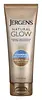
This tanning is formulated to hydrate skin and calm redness.
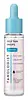
This tanning is formulated around Centella Asiatica Extract to hydrate skin and soften the look of wrinkles.


What's inside
What's inside
 Key Ingredients
Benefits
Concerns
Ingredients Side-by-side
Water
Skin ConditioningDihydroxyacetone
Skin ConditioningAlcohol Denat.
Antimicrobial




Glycerin
Humectant


Xanthan Gum
EmulsifyingHydrolyzed Soybean Fiber
Skin ProtectingCommiphora Mukul Resin Extract
Skin ConditioningColeus Forskohlii Root Extract
EmollientTocopheryl Acetate
Antioxidant


Ascorbic Acid
Antioxidant



Erythrulose
TanningPanthenol
Skin Conditioning

Aloe Barbadensis Extract
Skin Conditioning
Calendula Officinalis Flower Oil
Masking


Citrus Paradisi Fruit Extract
Skin ConditioningJuniperus Communis Fruit Oil
Masking
Lycium Barbarum Fruit Extract
Astringent
Punica Granatum Extract
AstringentPolysorbate 80
Emulsifying
Dipropylene Glycol
HumectantTriethylene Glycol
Masking
Ethylhexylglycerin
Skin ConditioningSodium Metabisulfite
Antioxidant
Parfum
Masking
Hexyl Cinnamal
Perfuming
Limonene
Perfuming
Linalool
Perfuming
Geraniol
Perfuming
Sodium Hydroxide
BufferingPhenoxyethanol
Preservative
Water, Dihydroxyacetone, Alcohol Denat., Glycerin, Xanthan Gum, Hydrolyzed Soybean Fiber, Commiphora Mukul Resin Extract, Coleus Forskohlii Root Extract, Tocopheryl Acetate, Ascorbic Acid, Erythrulose, Panthenol, Aloe Barbadensis Extract, Calendula Officinalis Flower Oil, Citrus Paradisi Fruit Extract, Juniperus Communis Fruit Oil, Lycium Barbarum Fruit Extract, Punica Granatum Extract, Polysorbate 80, Dipropylene Glycol, Triethylene Glycol, Ethylhexylglycerin, Sodium Metabisulfite, Parfum, Hexyl Cinnamal, Limonene, Linalool, Geraniol, Sodium Hydroxide, Phenoxyethanol
Water
Skin ConditioningGlycerin
Humectant
Zea Mays Starch
Absorbent
Cetearyl Alcohol
Emollient



Dihydroxyacetone
Skin ConditioningParaffinum Liquidum
Emollient
Ethylhexyl Isononanoate
EmollientPropanediol
Solvent
Ceteareth-20
Cleansing
Dimethicone
Emollient
Steareth-2
EmulsifyingParfum
Masking
Octyldodecyl Myristate
EmollientStearic Acid
Cleansing
Petrolatum
Emollient
Hydroxyethyl Acrylate/Sodium Acryloyldimethyl Taurate Copolymer
Emulsion StabilisingIsohexadecane
EmollientCaprylyl Glycol
Emollient
Erythrulose
TanningBHT
Antioxidant
Polysorbate 60
Emulsifying
Butylene Glycol
Humectant
Cocos Nucifera Oil
Masking
Cocos Nucifera Water
Masking
Hydrolyzed Collagen
Emollient
Polyimide-1
Withania Somnifera Root Extract
Skin Conditioning
Centella Asiatica Extract
Cleansing
Fucus Vesiculosus Extract
Emollient
Hydrolyzed Elastin
EmollientCamellia Sinensis Leaf Extract
Antimicrobial
Benzoic Acid
Masking
Caramel
Cosmetic ColorantWater, Glycerin, Zea Mays Starch, Cetearyl Alcohol, Dihydroxyacetone, Paraffinum Liquidum, Ethylhexyl Isononanoate, Propanediol, Ceteareth-20, Dimethicone, Steareth-2, Parfum, Octyldodecyl Myristate, Stearic Acid, Petrolatum, Hydroxyethyl Acrylate/Sodium Acryloyldimethyl Taurate Copolymer, Isohexadecane, Caprylyl Glycol, Erythrulose, BHT, Polysorbate 60, Butylene Glycol, Cocos Nucifera Oil, Cocos Nucifera Water, Hydrolyzed Collagen, Polyimide-1, Withania Somnifera Root Extract, Centella Asiatica Extract, Fucus Vesiculosus Extract, Hydrolyzed Elastin, Camellia Sinensis Leaf Extract, Benzoic Acid, Caramel
Reviews
Ingredients Explained
These ingredients are found in both products.
Ingredients higher up in an ingredient list are typically present in a larger amount.
Dihydroxyacetone, or DHA, is the active ingredient in self-tanners.
It's a simply sugar that reacts with the free amino acids in your outermost layer of skin to produce brown-colored compounds called melanoidins.
DHA does not penetrate living skin cells, does not interact with melanocytes, and does not affect actualy melanin production.
There's a "safety controversy" that largely stems from misinterpreted studies:
Once concern is that DHA can generate unstable molecules that can damage cells (free radicals) when exposed to sunlight. This only happens in the outermost layer of dead skin cells and wearing SPF on top takes care of it.
The DNA damage claim comes from lab studies that doused living skin cells in much higher concentrations of DHA than you'd ever find in a self-tanner. That's not really a meaningful comparison to putting self-tanning lotion on your skin.
Regulatory bodies around the world, including the EU's Scientific Committee on Consumer Safety (SCCS) and the U.S. FDA consider it safe for use in cosmetics when applied topically (maximum 10%, and most self-tanners contain between 3-5%).
Learn more about DihydroxyacetoneWe don't have a description for Erythrulose yet.
Glycerin (or glycerol) is a compound naturally found in your skin. It's a powerhouse humectant that pulls water into the stratum corneum.
Topically, glycerin does several things at once:
Your skin makes glycerin on its own (mostly from sebaceous oil breakdown) and shuttles it to your outermost layer of skin, or your epidermis, via aquaporin-3.
Aquaporin-3 is a transporter that is essential for normal skin hydration, elasticity, and repair. Interestingly, mice lacking in AQP3 have dry and less elastic skin that can be fully corrected with glycerin.
This ingredient is non-irritating, plays well with almost every ingredient, and works across all skin types. Typical use is anywhere between 3-10% but can go up to 79% in some leave-on products.
Just know very high concentrations (>40%) can feel tacky in low humidity.
Glycerin is the name for this ingredient in American English. British English uses Glycerol/Glycerine.
Learn more about GlycerinParfum is a catch-all term for an ingredient or more that is used to give a scent to products.
Also called "fragrance", this ingredient can be a blend of hundreds of chemicals or plant oils. This means every product with "fragrance" or "parfum" in the ingredients list is a different mixture.
For instance, Habanolide is a proprietary trade name for a specific aroma chemical. When used as a fragrance ingredient in cosmetics, most aroma chemicals fall under the broad labeling category of “FRAGRANCE” or “PARFUM” according to EU and US regulations.
The term 'parfum' or 'fragrance' is not regulated in many countries. In many cases, it is up to the brand to define this term.
For instance, many brands choose to label themselves as "fragrance-free" because they are not using synthetic fragrances. However, their products may still contain ingredients such as essential oils that are considered a fragrance by INCI standards.
One example is Calendula flower extract. Calendula is an essential oil that still imparts a scent or 'fragrance'.
Depending on the blend, the ingredients in the mixture can cause allergies and sensitivities on the skin. Some ingredients that are known EU allergens include linalool and citronellol.
Parfum can also be used to mask or cover an unpleasant scent.
The bottom line is: not all fragrances/parfum/ingredients are created equally. If you are worried about fragrances, we recommend taking a closer look at an ingredient. And of course, we always recommend speaking with a professional.
Learn more about ParfumWater. It's the most common cosmetic ingredient of all. You'll usually see it at the top of ingredient lists, meaning that it makes up the largest part of the product.
So why is it so popular? Water most often acts as a solvent - this means that it helps dissolve other ingredients into the formulation.
You'll also recognize water as that liquid we all need to stay alive. If you see this, drink a glass of water. Remember to stay hydrated!
Learn more about Water

