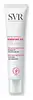
This chemical sunscreen covers the full UV range and blocks ~98% of UVB at SPF 50.
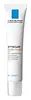
This acne day moisturizer is formulated around Niacinamide and Zinc PCA to clear breakouts and balance excess oil.

What's inside
What's inside
 Key Ingredients
Benefits
Concerns
Ingredients Side-by-side
Water
Skin ConditioningDiisopropyl Adipate
EmollientDiethylamino Hydroxybenzoyl Hexyl Benzoate
UV Filter
Dicaprylyl Ether
Emollient
Ethylhexyl Triazone
UV Absorber
Silica
Abrasive


Bis-Ethylhexyloxyphenol Methoxyphenyl Triazine
UV Absorber
Cetearyl Alcohol
Emollient






C12-15 Alkyl Benzoate
AntimicrobialDiethylhexyl Butamido Triazone
UV Absorber
Ceteareth-20
Cleansing
Hydrogenated Vegetable Oil
Emollient
Glycerin
Humectant

Pentylene Glycol
Skin Conditioning
Acrylates/C12-22 Alkyl Methacrylate Copolymer
1,2-Hexanediol
Skin Conditioning
Niacinamide
Smoothing







Polyester-7
Skin ConditioningHydroxyethyl Acrylate/Sodium Acryloyldimethyl Taurate Copolymer
Emulsion StabilisingDipotassium Glycyrrhizate
Humectant
Neopentyl Glycol Diheptanoate
EmollientCaprylyl Glycol
Emollient
Arginine
Masking
Xanthan Gum
EmulsifyingCoco-Glucoside
Cleansing
Tocopherol
Antioxidant

Citric Acid
Buffering
Glycine Soja Oil
Emollient
Disodium Lauryl Sulfosuccinate
CleansingPolysorbate 60
Emulsifying
Sorbitan Isostearate
Emulsifying
Lecithin
Emollient
Rosmarinyl Glucoside
Antioxidant
Caffeyl Glucoside
Antioxidant
Gallyl Glucoside
Antioxidant
Lepidium Sativum Sprout Extract
Skin ConditioningWater, Diisopropyl Adipate, Diethylamino Hydroxybenzoyl Hexyl Benzoate, Dicaprylyl Ether, Ethylhexyl Triazone, Silica, Bis-Ethylhexyloxyphenol Methoxyphenyl Triazine, Cetearyl Alcohol, C12-15 Alkyl Benzoate, Diethylhexyl Butamido Triazone, Ceteareth-20, Hydrogenated Vegetable Oil, Glycerin, Pentylene Glycol, Acrylates/C12-22 Alkyl Methacrylate Copolymer, 1,2-Hexanediol, Niacinamide, Polyester-7, Hydroxyethyl Acrylate/Sodium Acryloyldimethyl Taurate Copolymer, Dipotassium Glycyrrhizate, Neopentyl Glycol Diheptanoate, Caprylyl Glycol, Arginine, Xanthan Gum, Coco-Glucoside, Tocopherol, Citric Acid, Glycine Soja Oil, Disodium Lauryl Sulfosuccinate, Polysorbate 60, Sorbitan Isostearate, Lecithin, Rosmarinyl Glucoside, Caffeyl Glucoside, Gallyl Glucoside, Lepidium Sativum Sprout Extract
Water
Skin ConditioningOctocrylene
UV Absorber

Glycerin
Humectant
Homosalate
Skin Conditioning
Ethylhexyl Salicylate
UV Absorber
Alcohol Denat.
Antimicrobial

Niacinamide
Smoothing
Butyl Methoxydibenzoylmethane
UV Absorber
Dimethicone
Emollient
Sorbitan Stearate
Emulsifying
Silica
Abrasive
Isopropyl Lauroyl Sarcosinate
Skin ConditioningStyrene/Acrylates Copolymer
Propylene Glycol
Humectant
Potassium Cetyl Phosphate
EmulsifyingDiisopropyl Sebacate
EmollientPEG-20
HumectantPEG-8 Laurate
Emulsifying
Zinc PCA
Humectant
Dimethicone/Vinyl Dimethicone Crosspolymer
Skin Conditioning
2-Oleamido-1,3-Octadecanediol
Skin ConditioningInulin Lauryl Carbamate
Emulsion StabilisingCarnosine
Skin Conditioning
Poloxamer 338
EmulsifyingAmmonium Polyacryloyldimethyl Taurate
Emulsion StabilisingDisodium EDTA
ChelatingSucrose Cocoate
Emulsifying
Capryloyl Salicylic Acid
Exfoliating
Xanthan Gum
EmulsifyingT-Butyl Alcohol
Perfuming

BHT
Antioxidant
Salicylic Acid
Masking

Parfum
Masking
Water, Octocrylene, Glycerin, Homosalate, Ethylhexyl Salicylate, Alcohol Denat., Niacinamide, Butyl Methoxydibenzoylmethane, Dimethicone, Sorbitan Stearate, Silica, Isopropyl Lauroyl Sarcosinate, Styrene/Acrylates Copolymer, Propylene Glycol, Potassium Cetyl Phosphate, Diisopropyl Sebacate, PEG-20, PEG-8 Laurate, Zinc PCA, Dimethicone/Vinyl Dimethicone Crosspolymer, 2-Oleamido-1,3-Octadecanediol, Inulin Lauryl Carbamate, Carnosine, Poloxamer 338, Ammonium Polyacryloyldimethyl Taurate, Disodium EDTA, Sucrose Cocoate, Capryloyl Salicylic Acid, Xanthan Gum, T-Butyl Alcohol, BHT, Salicylic Acid, Parfum
Reviews
Ingredients Explained
These ingredients are found in both products.
Ingredients higher up in an ingredient list are typically present in a larger amount.
Glycerin (or glycerol) is a compound naturally found in your skin. It's a powerhouse humectant that pulls water into the stratum corneum.
Topically, glycerin does several things at once:
Your skin makes glycerin on its own (mostly from sebaceous oil breakdown) and shuttles it to your outermost layer of skin, or your epidermis, via aquaporin-3.
Aquaporin-3 is a transporter that is essential for normal skin hydration, elasticity, and repair. Interestingly, mice lacking in AQP3 have dry and less elastic skin that can be fully corrected with glycerin.
This ingredient is non-irritating, plays well with almost every ingredient, and works across all skin types. Typical use is anywhere between 3-10% but can go up to 79% in some leave-on products.
Just know very high concentrations (>40%) can feel tacky in low humidity.
Glycerin is the name for this ingredient in American English. British English uses Glycerol/Glycerine.
Learn more about GlycerinNiacinamide is a multitasking form of vitamin B3 that strengthens the skin barrier, reduces pores and dark spots, regulates oil, and improves signs of aging.
And the best part? It's gentle and well-tolerated by most skin types, including sensitive and reactive skin.
You might have heard of "niacin flush", or the reddening of skin that causes itchiness. Niacinamide has not been found to cause this.
In very rare cases, some individuals may not be able to tolerate niacinamide at all or experience an allergic reaction to it.
If you are experiencing flaking, irritation, and dryness with this ingredient, be sure to double check all your products as this ingredient can be found in all categories of skincare.
When incorporating niacinamide into your routine, look out for concentration amounts. Typically, 5% niacinamide provides benefits such as fading dark spots. However, if you have sensitive skin, it is better to begin with a smaller concentration.
When you apply niacinamide to your skin, your body converts it into nicotinamide adenine dinucleotide (NAD). NAD is an essential coenzyme that is already found in your cells as "fuel" and powers countless biological processes.
In your skin, NAD helps repair cell damage, produce new healthy cells, support collagen production, strengthen the skin barrier, and fight environmental stressors (like UV and pollution).
Our natural NAD levels start to decline with age, leading to slower skin repair, visible aging, and a weaker skin barrier. By providing your skin niacinamide, you're recharging your skin's NAD levels. This leads to stronger, healthier, and younger looking skin.
Another name for vitamin B3 is nicotinamide. This vitamin is water-soluble and our bodies don't store it. We obtain Vitamin B3 from either food or skincare. Meat, fish, wheat, yeast, and leafy greens contain vitamin B3.
The type of niacinamide used in skincare is synthetically created.
Learn more about NiacinamideSilica, also known as silicon dioxide, is a naturally occurring mineral. It is used as a fine, spherical, and porous powder in cosmetics.
Though it has exfoliant properties, the function of silica varies depending on the product.
The unique structure of silica enhances the spreadability and adds smoothness, making it a great texture enhancer.
It is also used as an active carrier, emulsifier, and mattifier due to its ability to absorb excess oil.
In some products, tiny microneedles called spicules are made from silica or hydrolyzed sponge. When you rub them in, they lightly polish away dead skin layers and enhance the penetration of active ingredients.
Learn more about SilicaWater. It's the most common cosmetic ingredient of all. You'll usually see it at the top of ingredient lists, meaning that it makes up the largest part of the product.
So why is it so popular? Water most often acts as a solvent - this means that it helps dissolve other ingredients into the formulation.
You'll also recognize water as that liquid we all need to stay alive. If you see this, drink a glass of water. Remember to stay hydrated!
Learn more about WaterXanthan gum is used as a stabilizer and thickener within cosmetic products. It helps give products a sticky, thick feeling - preventing them from being too runny.
On the technical side of things, xanthan gum is a polysaccharide - a combination consisting of multiple sugar molecules bonded together.
Xanthan gum is a pretty common and great ingredient. It is a natural, non-toxic, non-irritating ingredient that is also commonly used in food products.
Learn more about Xanthan Gum

