Standard Skin and Beauty CERious PrOATection Moisturiser with 4% Ceramide & Oat Extract Versus La Roche-Posay Toleriane Dermallergo Ultra Soothing Repair Moisturizer
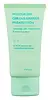
This barrier-repair moisturizer is formulated around Ceramide NP and Panthenol to strengthen the skin barrier and calm redness.
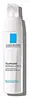
This barrier-repair moisturizer is formulated around Squalane and Butyrospermum Parkii Butter to strengthen the skin barrier and calm redness.


What's inside
What's inside
 Key Ingredients
Benefits
Concerns
Ingredients Side-by-side
Water
Skin ConditioningCaprylic/Capric Triglyceride
Masking


C13-15 Alkane
SolventCeramide NP
Skin Conditioning



Cetearyl Alcohol
Emollient





Cetyl Alcohol
Emollient
Glyceryl Stearate
Emollient
Panthenol
Skin Conditioning
PEG-40 Stearate
Emulsifying
Avena Sativa Kernel Extract
Abrasive

Ubiquinone
Antioxidant
Tocopherol
Antioxidant


Helianthus Annuus Seed Oil
Emollient
C15-19 Alkane
SolventCeteareth-20
CleansingSodium Acrylate/Sodium Acryloyldimethyl Taurate Copolymer
Emulsion StabilisingPolyglyceryl-6 Laurate
Emulsifying
Polyglycerin-6
HumectantSodium Phytate
Phenoxyethanol
Preservative
Ethylhexylglycerin
Skin ConditioningCitric Acid
Buffering
Water, Caprylic/Capric Triglyceride, C13-15 Alkane, Ceramide NP, Cetearyl Alcohol, Cetyl Alcohol, Glyceryl Stearate, Panthenol, PEG-40 Stearate, Avena Sativa Kernel Extract, Ubiquinone, Tocopherol, Helianthus Annuus Seed Oil, C15-19 Alkane, Ceteareth-20, Sodium Acrylate/Sodium Acryloyldimethyl Taurate Copolymer, Polyglyceryl-6 Laurate, Polyglycerin-6, Sodium Phytate, Phenoxyethanol, Ethylhexylglycerin, Citric Acid
Water
Skin ConditioningIsocetyl Stearate
Emollient
Squalane
Emollient
Butyrospermum Parkii Butter
Skin Conditioning
Dimethicone
Emollient
Glycerin
Humectant
Zea Mays Starch
Absorbent
Pentylene Glycol
Skin Conditioning
Butylene Glycol
Humectant
Glyceryl Stearate
Emollient
PEG-100 Stearate
Surfactant
Cetyl Alcohol
Emollient
Salvia Miltiorrhiza Root Extract
Skin ConditioningDimethiconol
Emollient
Sodium Hydroxide
BufferingSphingomonas Ferment Extract
Skin Conditioning
Caprylyl Glycol
Emollient
Citric Acid
Buffering
Acetyl Dipeptide-1 Cetyl Ester
Skin Conditioning
Acrylates/C10-30 Alkyl Acrylate Crosspolymer
Emulsion StabilisingWater, Isocetyl Stearate, Squalane, Butyrospermum Parkii Butter, Dimethicone, Glycerin, Zea Mays Starch, Pentylene Glycol, Butylene Glycol, Glyceryl Stearate, PEG-100 Stearate, Cetyl Alcohol, Salvia Miltiorrhiza Root Extract, Dimethiconol, Sodium Hydroxide, Sphingomonas Ferment Extract, Caprylyl Glycol, Citric Acid, Acetyl Dipeptide-1 Cetyl Ester, Acrylates/C10-30 Alkyl Acrylate Crosspolymer
Reviews
Ingredients Explained
These ingredients are found in both products.
Ingredients higher up in an ingredient list are typically present in a larger amount.
Cetyl Alcohol is a fatty alcohol. Fatty Alcohols are most often used as an emollient or to thicken a product.
Its main roles are:
Though it has "alcohol" in the name, it is not related to denatured alcohol or ethyl alcohol.
The FDA allows products labeled "alcohol-free" to have fatty alcohols.
This ingredient may not be fungal acne safe. It is a primary fatty alcohol with a chain length above 12 carbons. A study from 2019 show Malassezia can feed on fatty alcohols in this range, so it may trigger fungal acne in those prone to it.
Learn more about Cetyl AlcoholCitric Acid is an alpha hydroxy acid (AHA) naturally found in citrus fruits like oranges, lemons, and limes.
Like other AHAs, citric acid can exfoliate skin by breaking down the bonds that hold dead skin cells together. This helps reveal smoother and brighter skin underneath.
However, this exfoliating effect only happens at high concentrations (20%) which can be hard to find in cosmetic products.
Due to this, citric acid is usually included in small amounts as a pH adjuster. This helps keep products slightly more acidic and compatible with skin's natural pH.
In skincare formulas, citric acid can:
While it can provide some skin benefits, research shows lactic acid and glycolic acid are generally more effective and less irritating exfoliants.
Most citric acid used in skincare today is made by fermenting sugars (usually from molasses). This synthetic version is identical to the natural citrus form but easier to stabilize and use in formulations.
Rosacea skin has a lower threshold for acids generally, with 62.5% of rosacea subjects in one study reacting to lactic acid in a sting test. This is why we mark citric acid as a potential rosacea trigger.
However, this ingredient shows up as a pH adjuster or chelator at roughly 0.1-1% in many products. These low levels are unlikely to be an issue for rosacea skin and becomes a potential trigger at exfoliating concentrations (20%). Because everybody's skin is unique, we recommend a patch test if you are unsure.
Learn more about Citric AcidGlyceryl Stearate is made by reacting glycerin with stearic acid (typically sourced from plant oils like palm or coconut). It's an emulsifier, emollient, and mild occlusive.
Emulsifiers help ingredients like oil and water stay mixed so your formula stays nicely blended and uniform in texture.
This ingredient is typically used in concentrations between 1-10%. Studies have found it to be non-sensitizing, non-phototoxic, and non-photoallergenic.
A close cousin of this ingredient is Glyceryl Stearate SE ("self-emulsifying"). This just has a small amount of sodium or potassium stearate added so it can emulsify without a co-emulsifier.
Since this ingredient is an ester of a C18 fatty acid, it may not be fungal acne safe. The Malassezia yeast can potentially metabolize within the C11-C24 range.
Fun fact: The human body also creates Glyceryl Stearate naturally.
Learn more about Glyceryl StearateWater. It's the most common cosmetic ingredient of all. You'll usually see it at the top of ingredient lists, meaning that it makes up the largest part of the product.
So why is it so popular? Water most often acts as a solvent - this means that it helps dissolve other ingredients into the formulation.
You'll also recognize water as that liquid we all need to stay alive. If you see this, drink a glass of water. Remember to stay hydrated!
Learn more about Water

