

What's inside
What's inside
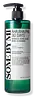 Key Ingredients
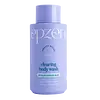
Benefits
Concerns
Ingredients Side-by-side
Water
Skin ConditioningLauric Acid
Cleansing




Glycerin
Humectant


Potassium Hydroxide
BufferingMyristic Acid
Cleansing
Sodium Chloride
MaskingSodium C14-16 Olefin Sulfonate
Cleansing
Lauryl Hydroxysultaine
CleansingBenzyl Glycol
SolventCoco-Betaine
Cleansing
Salicylic Acid
Masking







Eucalyptus Globulus Leaf Oil
Perfuming



Butylene Glycol
Humectant
Ethylhexylglycerin
Skin ConditioningMelia Azadirachta Leaf Extract
Skin ConditioningDisodium EDTA
ChelatingCoptis Japonica Root Extract
Skin Conditioning1,2-Hexanediol
Skin Conditioning
Melia Azadirachta Flower Extract
Skin ConditioningMelaleuca Alternifolia Leaf Water
Antimicrobial
Ethyl Hexanediol
SolventCentella Asiatica Extract
Cleansing

Asiaticoside
Antioxidant
Madecassic Acid
Skin Conditioning
Gluconolactone
Chelating
Citric Acid
Buffering
Asiatic Acid
Skin Conditioning
Mandelic Acid
Antimicrobial
Madecassoside
Antioxidant
Artemisia Vulgaris Extract
Skin Conditioning
Water, Lauric Acid, Glycerin, Potassium Hydroxide, Myristic Acid, Sodium Chloride, Sodium C14-16 Olefin Sulfonate, Lauryl Hydroxysultaine, Benzyl Glycol, Coco-Betaine, Salicylic Acid, Eucalyptus Globulus Leaf Oil, Butylene Glycol, Ethylhexylglycerin, Melia Azadirachta Leaf Extract, Disodium EDTA, Coptis Japonica Root Extract, 1,2-Hexanediol, Melia Azadirachta Flower Extract, Melaleuca Alternifolia Leaf Water, Ethyl Hexanediol, Centella Asiatica Extract, Asiaticoside, Madecassic Acid, Gluconolactone, Citric Acid, Asiatic Acid, Mandelic Acid, Madecassoside, Artemisia Vulgaris Extract
Water
Skin ConditioningCocamidopropyl Betaine
Cleansing
Sodium Coco-Sulfate
Cleansing
Sodium Methyl Cocoyl Taurate
Cleansing
Lauryl Glucoside
CleansingGlycerin
Humectant
Caprylyl/Capryl Glucoside
CleansingCoco-Glucoside
Cleansing
Glyceryl Oleate
Emollient
Betaine
Humectant
Salicylic Acid
Masking
Vaccinium Myrtillus Fruit Extract
Skin ConditioningSaccharum Officinarum Extract
MoisturisingCitrus Aurantium Dulcis Fruit Extract
MaskingCitrus Limon Fruit Extract
Masking
Acer Saccharum Extract
Skin ConditioningAloe Barbadensis Leaf Juice Powder
Skin Conditioning
Aminomethyl Propanol
BufferingTetrasodium Glutamate Diacetate
ChelatingAcrylates/C10-30 Alkyl Acrylate Crosspolymer
Emulsion StabilisingSodium Benzoate
Masking
Sodium Salicylate
Preservative
Potassium Sorbate
Preservative
Parfum
Masking
Limonene
Perfuming
Water, Cocamidopropyl Betaine, Sodium Coco-Sulfate, Sodium Methyl Cocoyl Taurate, Lauryl Glucoside, Glycerin, Caprylyl/Capryl Glucoside, Coco-Glucoside, Glyceryl Oleate, Betaine, Salicylic Acid, Vaccinium Myrtillus Fruit Extract, Saccharum Officinarum Extract, Citrus Aurantium Dulcis Fruit Extract, Citrus Limon Fruit Extract, Acer Saccharum Extract, Aloe Barbadensis Leaf Juice Powder, Aminomethyl Propanol, Tetrasodium Glutamate Diacetate, Acrylates/C10-30 Alkyl Acrylate Crosspolymer, Sodium Benzoate, Sodium Salicylate, Potassium Sorbate, Parfum, Limonene
Reviews
Ingredients Explained
These ingredients are found in both products.
Ingredients higher up in an ingredient list are typically present in a larger amount.
Glycerin (or glycerol) is a compound naturally found in your skin. It's a powerhouse humectant that pulls water into the stratum corneum.
Topically, glycerin does several things at once:
Your skin makes glycerin on its own (mostly from sebaceous oil breakdown) and shuttles it to your outermost layer of skin, or your epidermis, via aquaporin-3.
Aquaporin-3 is a transporter that is essential for normal skin hydration, elasticity, and repair. Interestingly, mice lacking in AQP3 have dry and less elastic skin that can be fully corrected with glycerin.
This ingredient is non-irritating, plays well with almost every ingredient, and works across all skin types. Typical use is anywhere between 3-10% but can go up to 79% in some leave-on products.
Just know very high concentrations (>40%) can feel tacky in low humidity.
Glycerin is the name for this ingredient in American English. British English uses Glycerol/Glycerine.
Learn more about GlycerinSalicylic Acid (also known as beta hydroxy acid or BHA) is a well-known ingredient for treating skin that struggles with acne and clogged pores. It exfoliates both the skin's surface and deep within the pores to help clear out buildup, control oil, and reduce inflammation.
Unlike AHAs (alpha hydroxy acids), salicylic acid is oil-soluble. This allows it to penetrate into pores which makes it especially effective for treating blackheads and preventing future breakouts.
Salicylic acid is also known for its soothing properties. It has a similar structure to aspirin and can calm inflamed or irritated skin, making it a good option for acne-prone skin that is also sensitive.
Concentrations of 0.5-2% are recognized by the U.S. FDA as an over-the-counter topical acne product.
It can cause irritation and/or dryness if one's skin already has a compromised moisture barrier, so it's best to focus on repairing that before introducing this ingredient into your routine.
While salicylic acid does not increase sun sensitivity, it’s still important to wear sunscreen daily to protect your skin.
If you are looking for the ingredient called BHA or Butylated Hydroxyanisole, click here.
Learn more about Salicylic AcidWater. It's the most common cosmetic ingredient of all. You'll usually see it at the top of ingredient lists, meaning that it makes up the largest part of the product.
So why is it so popular? Water most often acts as a solvent - this means that it helps dissolve other ingredients into the formulation.
You'll also recognize water as that liquid we all need to stay alive. If you see this, drink a glass of water. Remember to stay hydrated!
Learn more about Water

