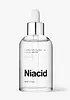
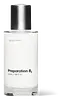
Slurp Niacid Versus Slurp Preparation B5

What's inside
What's inside
 Key Ingredients
Benefits
Concerns
Ingredients Side-by-side
Galactomyces Ferment Filtrate
Humectant







Butylene Glycol
Humectant
Niacinamide
Smoothing






Glycerin
Humectant
1,2-Hexanediol
Skin Conditioning
Illicium Verum Fruit Extract
Perfuming
Scutellaria Baicalensis Root Extract
Astringent
Tranexamic Acid
Astringent
Snail Secretion Filtrate
Skin Conditioning
Hamamelis Virginiana Extract
Antiseborrhoeic


Pentasodium Tetracarboxymethyl Acetylhydroxyprolyl Dipeptide-12
Skin Conditioning
Pentasodium Tetracarboxymethyl Dipeptide-51
Skin Conditioning
Sodium Hyaluronate
Humectant
Salix Alba Bark Extract
Astringent
Prunus Mume Fruit Extract
Humectant
Ethylhexylglycerin
Skin ConditioningBrassica Oleracea Capitata Leaf Extract
Skin ConditioningSodium Guaiazulene Sulfonate
SurfactantGalactomyces Ferment Filtrate, Butylene Glycol, Niacinamide, Glycerin, 1,2-Hexanediol, Illicium Verum Fruit Extract, Scutellaria Baicalensis Root Extract, Tranexamic Acid, Snail Secretion Filtrate, Hamamelis Virginiana Extract, Pentasodium Tetracarboxymethyl Acetylhydroxyprolyl Dipeptide-12, Pentasodium Tetracarboxymethyl Dipeptide-51, Sodium Hyaluronate, Salix Alba Bark Extract, Prunus Mume Fruit Extract, Ethylhexylglycerin, Brassica Oleracea Capitata Leaf Extract, Sodium Guaiazulene Sulfonate
Water
Skin ConditioningPanthenol
Skin Conditioning
Squalane
Emollient
Glycerin
Humectant
Propanediol
Solvent
Sucrose Distearate
Emollient
Carthamus Tinctorius Seed Oil
Masking
Lactococcus Ferment Lysate
Skin Conditioning
Glucosyl Hesperidin
HumectantCarnosine
Skin Conditioning
Phytosphingosine
Skin Conditioning
Ceramide NP
Skin Conditioning
Ceramide Ns
Skin Conditioning
Ceramide As
Skin Conditioning
Ceramide AP
Skin Conditioning
Ceramide EOP
Skin Conditioning
Cholesterol
Emollient
Pentylene Glycol
Skin Conditioning
Cetearyl Alcohol
Emollient



Stearic Acid
Cleansing
Polyquaternium-51
Skin Conditioning
Hydroxypropyl Methylcellulose
Emulsion StabilisingSodium Chloride
MaskingLithothamnion Calcareum Extract
Skin ConditioningAmylopectin
Sodium Hyaluronate
Humectant
Arginine
Masking
Dextrin
AbsorbentXanthan Gum
EmulsifyingAcrylates/C10-30 Alkyl Acrylate Crosspolymer
Emulsion StabilisingAllantoin
Skin Conditioning
Dipotassium Glycyrrhizate
Humectant
CI 77220
Cosmetic ColorantCitric Acid
Buffering
Hydrogenated Lecithin
Emulsifying
Potassium Cetyl Phosphate
Emulsifying1,2-Hexanediol
Skin Conditioning
Hydroxyacetophenone
Antioxidant
Potassium Sorbate
Preservative
Potassium Benzoate
Preservative
Phenylpropanol
Masking
Levulinic Acid
Perfuming
Sodium Levulinate
Skin ConditioningWater, Panthenol, Squalane, Glycerin, Propanediol, Sucrose Distearate, Carthamus Tinctorius Seed Oil, Lactococcus Ferment Lysate, Glucosyl Hesperidin, Carnosine, Phytosphingosine, Ceramide NP, Ceramide Ns, Ceramide As, Ceramide AP, Ceramide EOP, Cholesterol, Pentylene Glycol, Cetearyl Alcohol, Stearic Acid, Polyquaternium-51, Hydroxypropyl Methylcellulose, Sodium Chloride, Lithothamnion Calcareum Extract, Amylopectin, Sodium Hyaluronate, Arginine, Dextrin, Xanthan Gum, Acrylates/C10-30 Alkyl Acrylate Crosspolymer, Allantoin, Dipotassium Glycyrrhizate, CI 77220, Citric Acid, Hydrogenated Lecithin, Potassium Cetyl Phosphate, 1,2-Hexanediol, Hydroxyacetophenone, Potassium Sorbate, Potassium Benzoate, Phenylpropanol, Levulinic Acid, Sodium Levulinate
Reviews
Ingredients Explained
These ingredients are found in both products.
Ingredients higher up in an ingredient list are typically present in a larger amount.
1,2-Hexanediol is a synthetic liquid and another multi-functional powerhouse.
It is a:
- Humectant, drawing moisture into the skin
- Emollient, helping to soften skin
- Solvent, dispersing and stabilizing formulas
- Preservative booster, enhancing the antimicrobial activity of other preservatives
Glycerin (or glycerol) is a compound naturally found in your skin. It's a powerhouse humectant that pulls water into the stratum corneum.
Topically, glycerin does several things at once:
Your skin makes glycerin on its own (mostly from sebaceous oil breakdown) and shuttles it to your outermost layer of skin, or your epidermis, via aquaporin-3.
Aquaporin-3 is a transporter that is essential for normal skin hydration, elasticity, and repair. Interestingly, mice lacking in AQP3 have dry and less elastic skin that can be fully corrected with glycerin.
This ingredient is non-irritating, plays well with almost every ingredient, and works across all skin types. Typical use is anywhere between 3-10% but can go up to 79% in some leave-on products.
Just know very high concentrations (>40%) can feel tacky in low humidity.
Glycerin is the name for this ingredient in American English. British English uses Glycerol/Glycerine.
Learn more about GlycerinSodium Hyaluronate is the salt form of hyaluronic acid. It is a long sugar chain that is naturally found in your skin, joints, and connective tissue that maintains hydration and elasticity.
In skincare, it works as a humectant. It pulls water from the environment and deeper layers of skin and binds it to the surface.
Interestingly, the size of the molecule affects its behavior:
Some clinical evidence links low molecular weight versions to improved wrinkle depth, elasticity, anti-inflammatory effects, and barrier repair.
Many serums use a blend of both weights so you can get surface hydration plus longer-lasting and deeper effects.
You'll typically see concentrations between 0.1-2% for this ingredient.
Learn more about Sodium Hyaluronate

