
What's inside
What's inside
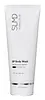 Key Ingredients
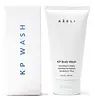
Benefits
Concerns
Ingredients Side-by-side
Benzoyl Peroxide 5%





Water
Skin ConditioningSodium C14-16 Olefin Sulfonate
Cleansing
Coco-Betaine
Cleansing
Acrylates/C10-30 Alkyl Acrylate Crosspolymer
Emulsion StabilisingCocoyl Argininamide
Skin Conditioning
Niacinamide
Smoothing










Mandelic Acid
Antimicrobial
Malic Acid
Buffering
Safflower Acid
CleansingSyringa Vulgaris Extract
Skin ConditioningPanthenol
Skin Conditioning
Aloe Barbadensis Leaf Extract
Emollient
Allantoin
Skin Conditioning
Tocopheryl Acetate
Antioxidant

Myristoyl Tetrapeptide-13
Skin Conditioning
Myristoyl Hexapeptide-23
Skin Conditioning
Lauric Acid
Cleansing


Lactobacillus Ferment Lysate
Skin Conditioning
Beta-Glucan
Skin Conditioning
Butylene Glycol
Humectant
Eucalyptus Globulus Leaf Oil
Perfuming



Pentylene Glycol
Skin Conditioning
Hydroxyphenyl Propamidobenzoic Acid
Skin ConditioningPhenoxyethanol
Preservative
Caprylyl Glycol
Emollient
Benzoyl Peroxide 5%, Water, Sodium C14-16 Olefin Sulfonate, Coco-Betaine, Acrylates/C10-30 Alkyl Acrylate Crosspolymer, Cocoyl Argininamide, Niacinamide, Mandelic Acid, Malic Acid, Safflower Acid, Syringa Vulgaris Extract, Panthenol, Aloe Barbadensis Leaf Extract, Allantoin, Tocopheryl Acetate, Myristoyl Tetrapeptide-13, Myristoyl Hexapeptide-23, Lauric Acid, Lactobacillus Ferment Lysate, Beta-Glucan, Butylene Glycol, Eucalyptus Globulus Leaf Oil, Pentylene Glycol, Hydroxyphenyl Propamidobenzoic Acid, Phenoxyethanol, Caprylyl Glycol
Water
Skin ConditioningAloe Barbadensis Leaf Juice
Skin Conditioning
Cocamidopropyl Betaine
Cleansing
Sodium C14-16 Olefin Sulfonate
Cleansing
Glycolic Acid
Buffering
Acrylates Copolymer
Sodium Hydroxide
BufferingSalicylic Acid
Masking
Urea
Buffering
Allantoin
Skin Conditioning
Butylene Glycol
Humectant
Tocopheryl Acetate
Antioxidant
Passiflora Edulis Seed Powder
Abrasive
Passiflora Incarnata Seed Powder
Abrasive
Hyaluronic Acid
Humectant
Ascorbic Acid
Antioxidant
Persea Gratissima Oil
Skin Conditioning
Calendula Officinalis Extract
Skin Conditioning
Camellia Sinensis Extract
Antioxidant
Lactic Acid
Buffering
Punica Granatum Extract
AstringentChamomilla Recutita Extract
Skin Conditioning
Rosa Damascena Extract
MaskingColloidal Oatmeal
Absorbent
Glycerin
Humectant
Saccharide Isomerate
Humectant
Fucus Vesiculosus Extract
Emollient
Arctostaphylos Uva Ursi Leaf Extract
Skin Conditioning
Parfum
Masking
Glyceryl Caprylate
EmollientGlyceryl Undecylenate
Emollient
Water, Aloe Barbadensis Leaf Juice, Cocamidopropyl Betaine, Sodium C14-16 Olefin Sulfonate, Glycolic Acid, Acrylates Copolymer, Sodium Hydroxide, Salicylic Acid, Urea, Allantoin, Butylene Glycol, Tocopheryl Acetate, Passiflora Edulis Seed Powder, Passiflora Incarnata Seed Powder, Hyaluronic Acid, Ascorbic Acid, Persea Gratissima Oil, Calendula Officinalis Extract, Camellia Sinensis Extract, Lactic Acid, Punica Granatum Extract, Chamomilla Recutita Extract, Rosa Damascena Extract, Colloidal Oatmeal, Glycerin, Saccharide Isomerate, Fucus Vesiculosus Extract, Arctostaphylos Uva Ursi Leaf Extract, Parfum, Glyceryl Caprylate, Glyceryl Undecylenate
Alternatives
Ingredients Explained
These ingredients are found in both products.
Ingredients higher up in an ingredient list are typically present in a larger amount.
Allantoin is a soothing ingredient known for its protective and moisturizing properties; it's basically a quiet workhorse ingredient you can find in a huge range of cosmetics.
Though it can be derived from the comfrey plant, allantoin is produced synthetically for cosmetic products to ensure purity.
Research shows it can encourage your skin cells to turn over and renew by stimulating keratinocyte and fibroblast proliferation.
It also has mild keratolytic properties to help loosen and shed dead skin cells without being harsh.
Studies also suggest allantoin can help calm inflammation by dialing down some of the chemical signals your skin sends out when it is irritated.
This ingredient is typically used in the 0.1-0.5% range, and the FDA recognizes it as a skin protectant in OTC products up to 2%.
Overall, allantoin is a wonderful addition to most routines; it is stable across a wide pH range (~4-8), works well with other ingredients, and is considered non-sensitizing/non-irritating.
Fun fact: Allantoin is naturally occurring in comfrey root, beets, chamomile, and wheat sprouts. Our bodies even produce it as a byproduct of uric acid metabolism.
Learn more about AllantoinButylene Glycol (or BG) is used within cosmetic products for a few different reasons:
Overall, Butylene Glycol is a safe and well-rounded ingredient that works well with other ingredients.
Though this ingredient works well with most skin types, some people with sensitive skin may experience a reaction such as allergic rashes, closed comedones, or itchiness.
Learn more about Butylene GlycolSodium C14-16 Olefin Sulfonate is a surfactant that helps water and oil mix so that dirt, sweat, sebum, and sunscreen can rinse away easily. It's not technically a sulfate, but behaves similarly in formulas.
What it does:
Sodium C14-16 Olefin Sulfonate is a strong cleansing surfactant and is much stronger than many mild cleansers. Because it works deeply, it can disrupt the skin's barrier. This can lead to dryness or irritation for those with sensitive skin.
Compared to gentler surfactants, it's effective but more likely to dry or irritate if not balanced with soothing ingredients.
CIR considers sodium α-olefin sulfonates (including C14-16) to be safe for use in rinse-off products when properly formulated. It is poorly absorbed through normal skin but absorption increases if the skin barrier is already damaged.
Learn more about Sodium C14-16 Olefin SulfonateTocopheryl Acetate is a stable, shelf-friendly form of vitamin E.
Formulators love it because plain vitamin E oxidizes quickly once it hits air. This acetate version stays stable and resists going off, helping to extend a product's shelf life.
It's actually inactive on its own and works like a slow-release "storage" form; the enzymes in your skin called esterases gradually convert it into active vitamin E over time.
One in vivo study showed 5% of the acetate in the living layer of the epidermis converted to vitamin E after 5 days of application. This study also found the skin gained protection against UV damage even though the conversion was slow and small.
Once converted, vitamin E acts as a skin's main fat-soluble antioxidant that fights free radicals to protect skin from damage.
Topical vitamin E generally boosts the skin's photoprotection, and it reduced UV-damage in animal models.
This ingredient has some brightening potential but it's more of a prevention ingredient than spot-fader. Cell studies show it can slow down melanin production but it's worth noting that it's not the most powerful brightener out there.
Overall, it has a pretty solid safety profile and has been found to be non-irritating and non-comedogenic. Allergic reactions may happen but stay rare due to how widely the ingredient gets used.
The concentration will vary depending on the formula; industry data shows 0.1% in baby lotions, 3% in lipsticks, and 5% in foot powders. You can also find this ingredient at 100% in a pure vitamin E oil.
Most leave-on skincare keeps it at the lower end, often between 0.5-1%.
Learn more about Tocopheryl AcetateWater. It's the most common cosmetic ingredient of all. You'll usually see it at the top of ingredient lists, meaning that it makes up the largest part of the product.
So why is it so popular? Water most often acts as a solvent - this means that it helps dissolve other ingredients into the formulation.
You'll also recognize water as that liquid we all need to stay alive. If you see this, drink a glass of water. Remember to stay hydrated!
Learn more about Water

