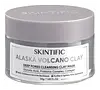
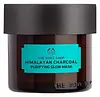
Skintific Alaska Volcano Deep Pores Cleansing Clay Mask Versus The Body Shop Himalayan Charcoal Purifying Glow Mask
This wash off mask is formulated around Glycolic Acid to exfoliate and smooth skin.
This wash off mask is made with Kaolin and Charcoal Powder for a rinse-off oil-control boost.


What's inside
What's inside
 Key Ingredients
Benefits
Concerns
Ingredients Side-by-side
Water
Skin ConditioningBentonite
Absorbent


Kaolin
Abrasive

Glycerin
Humectant


Perlite
Absorbent
Volcanic Soil
Skin Conditioning
Manicouagan Clay
AbsorbentGlycolic Acid
Buffering






Collagen
Moisturising
Bifida Ferment Filtrate
Skin Conditioning
Saccharomyces/Barley Seed Ferment Filtrate
HumectantSaccharomyces/Mother Of Pearl Ferment Lysate Filtrate
Skin Conditioning
Lactobacillus Ferment Lysate
Skin Conditioning
Lactobacillus/Soymilk Ferment Filtrate
Skin ConditioningButylene Glycol
Humectant
Caprylic/Capric Triglyceride
Masking
Zea Mays Starch
Absorbent
Ceteareth-25
CleansingCI 77499
Cosmetic Colorant1,2-Hexanediol
Skin Conditioning
Hydroxyacetophenone
Antioxidant
Avena Sativa Kernel Flour
Abrasive
Xanthan Gum
EmulsifyingDipropylene Glycol
HumectantHydrogenated Lecithin
Emulsifying
Tocopheryl Acetate
Antioxidant
Titanium Dioxide
Cosmetic Colorant

Bisabolol
Antioxidant
Menthyl Lactate
Masking
Parfum
Masking


Disodium Stearoyl Glutamate
CleansingAluminum Hydroxide
EmollientPhytic Acid
Citrus Reticulata Fruit Extract
Skin ProtectingEthylhexylglycerin
Skin ConditioningAllantoin
Skin Conditioning
Sodium Hydroxide
BufferingStearyl Alcohol
Emollient
Cetyl Alcohol
Emollient
Paeonia Suffruticosa Extract
Skin ConditioningMichelia Alba Flower Extract
Skin ConditioningScutellaria Baicalensis Extract
AntimicrobialDunaliella Salina Extract
Skin ConditioningLeuconostoc/Radish Root Ferment Filtrate
Antimicrobial
Phenoxyethanol
Preservative
Populus Tremuloides Bark Extract
AntiseborrhoeicWater, Bentonite, Kaolin, Glycerin, Perlite, Volcanic Soil, Manicouagan Clay, Glycolic Acid, Collagen, Bifida Ferment Filtrate, Saccharomyces/Barley Seed Ferment Filtrate, Saccharomyces/Mother Of Pearl Ferment Lysate Filtrate, Lactobacillus Ferment Lysate, Lactobacillus/Soymilk Ferment Filtrate, Butylene Glycol, Caprylic/Capric Triglyceride, Zea Mays Starch, Ceteareth-25, CI 77499, 1,2-Hexanediol, Hydroxyacetophenone, Avena Sativa Kernel Flour, Xanthan Gum, Dipropylene Glycol, Hydrogenated Lecithin, Tocopheryl Acetate, Titanium Dioxide, Bisabolol, Menthyl Lactate, Parfum, Disodium Stearoyl Glutamate, Aluminum Hydroxide, Phytic Acid, Citrus Reticulata Fruit Extract, Ethylhexylglycerin, Allantoin, Sodium Hydroxide, Stearyl Alcohol, Cetyl Alcohol, Paeonia Suffruticosa Extract, Michelia Alba Flower Extract, Scutellaria Baicalensis Extract, Dunaliella Salina Extract, Leuconostoc/Radish Root Ferment Filtrate, Phenoxyethanol, Populus Tremuloides Bark Extract
Water
Skin ConditioningKaolin
Abrasive
Moroccan Lava Clay
Abrasive
Magnesium Aluminum Silicate
Absorbent
Alcohol Denat.
Antimicrobial

Camellia Sinensis Leaf
Perfuming
PEG-40 Hydrogenated Castor Oil
Emulsifying
Pumice
Abrasive
Argania Spinosa Shell Powder
Abrasive
Phenoxyethanol
Preservative
Xanthan Gum
EmulsifyingParfum
Masking
Charcoal Powder
Abrasive
Ethylhexylglycerin
Skin ConditioningCaprylhydroxamic Acid
Argania Spinosa Kernel Oil
Emollient
Butyrospermum Parkii Butter
Skin Conditioning

Limonene
Perfuming
Linalool
Perfuming
Methylpropanediol
SolventAloe Barbadensis Leaf Juice Powder
Skin Conditioning
Menthol
Masking
Disodium EDTA
Tetrasodium Pyrophosphate
BufferingMelaleuca Alternifolia Leaf Oil
Antioxidant
Eucalyptus Globulus Leaf Oil
Perfuming
Citric Acid
Buffering
Menthoxypropanediol
Masking
Citral
Perfuming
Geraniol
Perfuming
Coumarin
Perfuming
Caramel
Cosmetic ColorantWater, Kaolin, Moroccan Lava Clay, Magnesium Aluminum Silicate, Alcohol Denat., Camellia Sinensis Leaf, PEG-40 Hydrogenated Castor Oil, Pumice, Argania Spinosa Shell Powder, Phenoxyethanol, Xanthan Gum, Parfum, Charcoal Powder, Ethylhexylglycerin, Caprylhydroxamic Acid, Argania Spinosa Kernel Oil, Butyrospermum Parkii Butter, Limonene, Linalool, Methylpropanediol, Aloe Barbadensis Leaf Juice Powder, Menthol, Disodium EDTA, Tetrasodium Pyrophosphate, Melaleuca Alternifolia Leaf Oil, Eucalyptus Globulus Leaf Oil, Citric Acid, Menthoxypropanediol, Citral, Geraniol, Coumarin, Caramel
Reviews
Ingredients Explained
These ingredients are found in both products.
Ingredients higher up in an ingredient list are typically present in a larger amount.
Ethylhexylglycerin is created from glycerin. It is a multitasker ingredient that:
The CIR Expert Panel found minimal skin absorption or sensitization of any kind in a safety assessment. Though this ingredient is considered well-tolerated, a small number of cases of allergic dermatitis have been published since 2002. Just be sure to patch test if you are unsure.
Industry-reported use ranges from 8% in rinse-off products and 2% in leave-on formulations.
Learn more about EthylhexylglycerinKaolin is a clay. It is used for oil control and to help minimize pores. Like other clays, kaolin has the ability to absorb excess sebum or oil. This can help clean out pores and mattify the skin.
Some types of kaolin may have exfoliating properties. When water is added to kaolin, it becomes a paste with small abrasive particles.
Most kaolin is a white color, but may be pink/orange/red depending on where it comes from.
The name 'kaolin' comes from a Chinese village named 'Gaoling'. Kaolin clay comes from rocks rich in kaolinite. Kaolinite, the mineral, has a silicate layered structure. Kaolinite is formed from chemical weathering of aluminum siilicate minerals.
Besides skincare, kaolin is commonly used to make glossy paper, in ceramics, toothpaste, and as medicine to soothe stomach issues.
Learn more about KaolinParfum is a catch-all term for an ingredient or more that is used to give a scent to products.
Also called "fragrance", this ingredient can be a blend of hundreds of chemicals or plant oils. This means every product with "fragrance" or "parfum" in the ingredients list is a different mixture.
For instance, Habanolide is a proprietary trade name for a specific aroma chemical. When used as a fragrance ingredient in cosmetics, most aroma chemicals fall under the broad labeling category of “FRAGRANCE” or “PARFUM” according to EU and US regulations.
The term 'parfum' or 'fragrance' is not regulated in many countries. In many cases, it is up to the brand to define this term.
For instance, many brands choose to label themselves as "fragrance-free" because they are not using synthetic fragrances. However, their products may still contain ingredients such as essential oils that are considered a fragrance by INCI standards.
One example is Calendula flower extract. Calendula is an essential oil that still imparts a scent or 'fragrance'.
Depending on the blend, the ingredients in the mixture can cause allergies and sensitivities on the skin. Some ingredients that are known EU allergens include linalool and citronellol.
Parfum can also be used to mask or cover an unpleasant scent.
The bottom line is: not all fragrances/parfum/ingredients are created equally. If you are worried about fragrances, we recommend taking a closer look at an ingredient. And of course, we always recommend speaking with a professional.
Learn more about ParfumPhenoxyethanol is one of the most widely used preservatives in skincare (and for good reason!).
It has a large spectrum of antimicrobial activity and especially effective bacteria, yeast, and mold while only having a weak effect on your skin's natural microbiome.
On a cellular level, it disrupts the cell membranes of microbes by poking holes that make the cell leak. This shuts down the chemical reactions the microbe needs to make energy so it can no longer survive.
Another perk of this ingredient is that it stays functional across a wide pH range (3-10).
You'll often see it paired with boosters like Ethylhexylglycerin; one study showed that a 1:9 ratio of Ethylhexylglycerin to Phenoxyethanol damages bacterial membranes as effectively as doubling the Phenoxyethanol concentration on its own.
Typical use concentrations range from 0.3-1% depending on the formula, and this ingredient is capped at 1% int the EU.
Safety-wise, the fear mongering does not hold up to the evidence. The EU's Scientific Committee on Consumer Safety and FDA consider it safe as a preservative at up to 1%, including for children of all ages.
Adverse systemic effects only showed up in animal studies at exposures roughly 200x higher than what people get from cosmetics. And despite its very widespread use, this ingredient is a rare sensitizer and allergic reactions are uncommon.
Learn more about PhenoxyethanolWater. It's the most common cosmetic ingredient of all. You'll usually see it at the top of ingredient lists, meaning that it makes up the largest part of the product.
So why is it so popular? Water most often acts as a solvent - this means that it helps dissolve other ingredients into the formulation.
You'll also recognize water as that liquid we all need to stay alive. If you see this, drink a glass of water. Remember to stay hydrated!
Learn more about WaterXanthan gum is used as a stabilizer and thickener within cosmetic products. It helps give products a sticky, thick feeling - preventing them from being too runny.
On the technical side of things, xanthan gum is a polysaccharide - a combination consisting of multiple sugar molecules bonded together.
Xanthan gum is a pretty common and great ingredient. It is a natural, non-toxic, non-irritating ingredient that is also commonly used in food products.
Learn more about Xanthan Gum

