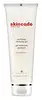
This gel cleanser uses mild cleansing ingredients, but contains alcohol that may feel drying for some.
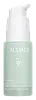
This pore-care serum is formulated around Rosa Damascena Flower Water and Niacinamide to refine the look of pores and clear breakouts.


What's inside
What's inside
 Key Ingredients
No key ingredients
Benefits
Concerns
Ingredients Side-by-side
Water
Skin ConditioningButylene Glycol
Humectant

Alcohol Denat.
Antimicrobial




Decyl Glucoside
Cleansing
Glycerin
Humectant
Cocamidopropyl Betaine
Cleansing
Xanthan Gum
EmulsifyingCoco-Betaine
Cleansing
Lauryl Glucoside
CleansingPolysorbate 20
Emulsifying
Sodium Carboxymethyl Beta-Glucan
CleansingChamomilla Recutita Flower Extract
Masking

Rosmarinus Officinalis Leaf Extract
AntimicrobialUrtica Dioica Leaf Extract
Skin ConditioningCalendula Officinalis Flower Extract
Masking
Aloe Barbadensis Leaf Juice
Skin Conditioning
Sodium Chloride
MaskingCapryloyl Glycine
CleansingSodium Lauroyl Sarcosinate
CleansingTromethamine
BufferingCitric Acid
Buffering

Disodium EDTA
Panthenol
Skin Conditioning
Pentadecalactone
Masking
Benzoic Acid
Masking
Alcohol
Antimicrobial
Sodium Benzoate
Masking
Ethylhexylglycerin
Skin ConditioningWater, Butylene Glycol, Alcohol Denat., Decyl Glucoside, Glycerin, Cocamidopropyl Betaine, Xanthan Gum, Coco-Betaine, Lauryl Glucoside, Polysorbate 20, Sodium Carboxymethyl Beta-Glucan, Chamomilla Recutita Flower Extract, Rosmarinus Officinalis Leaf Extract, Urtica Dioica Leaf Extract, Calendula Officinalis Flower Extract, Aloe Barbadensis Leaf Juice, Sodium Chloride, Capryloyl Glycine, Sodium Lauroyl Sarcosinate, Tromethamine, Citric Acid, Disodium EDTA, Panthenol, Pentadecalactone, Benzoic Acid, Alcohol, Sodium Benzoate, Ethylhexylglycerin
Water
Skin ConditioningRosa Damascena Flower Water
Masking
Alcohol
Antimicrobial
Niacinamide
Smoothing






Butylene Glycol
Humectant
Palmitoyl Grape Seed Extract
Skin ConditioningXanthan Gum
EmulsifyingSalicylic Acid
Masking
Sodium Hyaluronate
Humectant
Tocopherol
Antioxidant

Pelargonium Graveolens Flower Oil
Masking


Sodium Hydroxide
BufferingMentha Piperita Oil
Masking
Citral
Perfuming
Cymbopogon Citratus Leaf Oil
Masking
Rosmarinus Officinalis Leaf Oil
Masking
Citronellol
Perfuming
Geraniol
Perfuming
Sodium Phytate
Linalool
Perfuming
Lavandula Hybrida Oil
Emollient
Melissa Officinalis Leaf Oil
Masking
Limonene
Perfuming
Water, Rosa Damascena Flower Water, Alcohol, Niacinamide, Butylene Glycol, Palmitoyl Grape Seed Extract, Xanthan Gum, Salicylic Acid, Sodium Hyaluronate, Tocopherol, Pelargonium Graveolens Flower Oil, Sodium Hydroxide, Mentha Piperita Oil, Citral, Cymbopogon Citratus Leaf Oil, Rosmarinus Officinalis Leaf Oil, Citronellol, Geraniol, Sodium Phytate, Linalool, Lavandula Hybrida Oil, Melissa Officinalis Leaf Oil, Limonene
Reviews
Ingredients Explained
These ingredients are found in both products.
Ingredients higher up in an ingredient list are typically present in a larger amount.
This ingredient is also called ethanol or ethyl alcohol. It is denatured, meaning made undrinkable for cosmetic use.
In formulas, it:
Is it bad for your skin?
The answer comes down to concentration. Patch and wash studies have found highly concentrated alcohol-based hand rubs (60-100%) cause less barrier disruption than washing with a basic detergent like SLS. The only measurable effect in these studies was a temporary dip in skin hydration.
Concentrations below 12-15% in leave-on cosmetics is generally well-tolerated. Concentrations above start to see increased transepidermal water loss (TEWL) and reduced hydration.
In concentrations about 58%, it creates temporary channels in your skin's lipid layers to become more permeable and allow other ingredients to slip through easily.
This ingredient can be up to 80% of the formula in alcohol-based perfumes.
Overall, this ingredient is probably harmless if found lower down an ingredients list but worth side-eyeing if it's high up (especially if your barrier is already struggling).
Alcohol can worsen dry skin, eczema, and oily skin, especially at higher concentrations. This is because it can increase transepidermal water loss and decrease hydration to disrupt the skin barrier.
According to the National Rosacea Society based in the US, you should be mindful of products with these alcohols in the top half of ingredients.
True allergic contact dermatitis to ethanol is uncommon, but be sure to patch test if you have dry or sensitive skin.
Learn more about AlcoholButylene Glycol (or BG) is used within cosmetic products for a few different reasons:
Overall, Butylene Glycol is a safe and well-rounded ingredient that works well with other ingredients.
Though this ingredient works well with most skin types, some people with sensitive skin may experience a reaction such as allergic rashes, closed comedones, or itchiness.
Learn more about Butylene GlycolWater. It's the most common cosmetic ingredient of all. You'll usually see it at the top of ingredient lists, meaning that it makes up the largest part of the product.
So why is it so popular? Water most often acts as a solvent - this means that it helps dissolve other ingredients into the formulation.
You'll also recognize water as that liquid we all need to stay alive. If you see this, drink a glass of water. Remember to stay hydrated!
Learn more about WaterXanthan gum is used as a stabilizer and thickener within cosmetic products. It helps give products a sticky, thick feeling - preventing them from being too runny.
On the technical side of things, xanthan gum is a polysaccharide - a combination consisting of multiple sugar molecules bonded together.
Xanthan gum is a pretty common and great ingredient. It is a natural, non-toxic, non-irritating ingredient that is also commonly used in food products.
Learn more about Xanthan Gum

