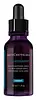
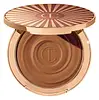
SkinCeuticals Hyaluronic Acid Intensifier (H.A.) Versus Charlotte Tilbury Beautiful Skin Sun-Kissed Glow Bronzer
This hydrating serum is formulated around Dipotassium Glycyrrhizate and Sodium Hyaluronate to hydrate skin and soften the look of wrinkles.


What's inside
What's inside
 Key Ingredients
Benefits
Concerns
Ingredients Side-by-side
Water
Skin ConditioningCyclohexasiloxane
Emollient
Glycerin
Humectant


Alcohol Denat.
Antimicrobial




Hydroxypropyl Tetrahydropyrantriol
Skin ConditioningPropylene Glycol
Humectant
Dipotassium Glycyrrhizate
Humectant

Polysilicone-11

Polymethylsilsesquioxane
Sodium Hyaluronate
Humectant

Dimethicone
Emollient
Tocopherol
Antioxidant



Phenoxyethanol
Preservative
Capryloyl Salicylic Acid
Exfoliating


Octyldodecanol
Emollient
Bis-PEG/PPG-16/16 PEG/PPG-16/16 Dimethicone
Emollient
PEG-20 Methyl Glucose Sesquistearate
Emulsifying
Ammonium Polyacryloyldimethyl Taurate
Emulsion StabilisingCaprylyl Glycol
Emollient
Xanthan Gum
EmulsifyingDextrin
AbsorbentOryza Sativa Extract
Absorbent
Disodium EDTA
ChelatingCaprylic/Capric Triglyceride
Masking
Sodium Hydroxide
BufferingAdenosine
Skin Conditioning
Citrus Nobilis Peel Oil
Masking
Limonene
Perfuming

T-Butyl Alcohol
Perfuming
Cellulose Acetate Butyrate
Polyphosphorylcholine Glycol Acrylate
Polyvinyl Alcohol
Sodium Chloride
MaskingButylene Glycol
Humectant
Pentaerythrityl Tetra-Di-T-Butyl Hydroxyhydrocinnamate
Antioxidant
Water, Cyclohexasiloxane, Glycerin, Alcohol Denat., Hydroxypropyl Tetrahydropyrantriol, Propylene Glycol, Dipotassium Glycyrrhizate, Polysilicone-11, Polymethylsilsesquioxane, Sodium Hyaluronate, Dimethicone, Tocopherol, Phenoxyethanol, Capryloyl Salicylic Acid, Octyldodecanol, Bis-PEG/PPG-16/16 PEG/PPG-16/16 Dimethicone, PEG-20 Methyl Glucose Sesquistearate, Ammonium Polyacryloyldimethyl Taurate, Caprylyl Glycol, Xanthan Gum, Dextrin, Oryza Sativa Extract, Disodium EDTA, Caprylic/Capric Triglyceride, Sodium Hydroxide, Adenosine, Citrus Nobilis Peel Oil, Limonene, T-Butyl Alcohol, Cellulose Acetate Butyrate, Polyphosphorylcholine Glycol Acrylate, Polyvinyl Alcohol, Sodium Chloride, Butylene Glycol, Pentaerythrityl Tetra-Di-T-Butyl Hydroxyhydrocinnamate
Dimethicone
Emollient
Triethylhexanoin
MaskingCeresin
Emulsion StabilisingPolymethylsilsesquioxane
Dimethicone Crosspolymer
Emulsion Stabilising
Trimethylsiloxysilicate
Emollient
Polyethylene
Abrasive
Dimethicone/Polyglycerin-3 Crosspolymer
Cleansing
Silica
Abrasive
Mica
Cosmetic Colorant7-Dehydrocholesterol
Emulsion StabilisingC10-18 Triglycerides
Emollient
Sodium Hyaluronate
Humectant
Triolein
Skin Conditioning
Glyceryl Dioleate
Emollient
Dipropylene Glycol
HumectantSodium Citrate
BufferingTocopherol
Antioxidant
CI 77891
Cosmetic ColorantIron Oxides
Dimethicone, Triethylhexanoin, Ceresin, Polymethylsilsesquioxane, Dimethicone Crosspolymer, Trimethylsiloxysilicate, Polyethylene, Dimethicone/Polyglycerin-3 Crosspolymer, Silica, Mica, 7-Dehydrocholesterol, C10-18 Triglycerides, Sodium Hyaluronate, Triolein, Glyceryl Dioleate, Dipropylene Glycol, Sodium Citrate, Tocopherol, CI 77891, Iron Oxides
Reviews
Ingredients Explained
These ingredients are found in both products.
Ingredients higher up in an ingredient list are typically present in a larger amount.
Dimethicone is a type of synthetic silicone created from natural materials such as quartz. It is also known as polydimethylsiloxane.
What it does:
Dimethicone comes in different viscosities:
Depending on the viscosity, dimethicone has different properties.
Ingredients lists don't always show which type is used, so we recommend reaching out to the brand if you have questions about the viscosity.
This ingredient is unlikely to cause irritation because it does not get absorbed into skin. However, people with silicone allergies should be careful about using this ingredient.
Note: Dimethicone may contribute to pilling. This is because it is not oil or water soluble, so pilling may occur when layered with products. When mixed with heavy oils in a formula, the outcome is also quite greasy.
Learn more about DimethiconePolymethylsilsesquioxane is a silicone used as a film forming agent.
When applied to the skin, this ingredient creates an invisible film on the surface. This film still allows oxygen to pass through, but prevents moisture from escaping. This can help condition and hydrate the skin. It also leaves a silky feel when applied.
Polymethylsilsesquioxane has not been shown to clog pores. It has been deemed safe to use up to 55%, but most cosmetics use much less.
If you have concerns about using this ingredient, we recommend speaking with a professional.
Learn more about PolymethylsilsesquioxaneSodium Hyaluronate is the salt form of hyaluronic acid. It is a long sugar chain that is naturally found in your skin, joints, and connective tissue that maintains hydration and elasticity.
In skincare, it works as a humectant. It pulls water from the environment and deeper layers of skin and binds it to the surface.
Interestingly, the size of the molecule affects its behavior:
Some clinical evidence links low molecular weight versions to improved wrinkle depth, elasticity, anti-inflammatory effects, and barrier repair.
Many serums use a blend of both weights so you can get surface hydration plus longer-lasting and deeper effects.
You'll typically see concentrations between 0.1-2% for this ingredient.
Learn more about Sodium HyaluronateTocopherol is a fat-soluble antioxidant known as Vitamin E.
You'll find this ingredient in the vast majority of skincare (for good reason). It works to neutralize free radicals, or unstable molecules generated by UV exposure, pollution, and other environmental stressors, before they can cause oxidative damage to your skin cells.
Topically applied tocopherol has been shown to protect against UV damage by ramping up the skin's own natural defense enzymes.
It also acts as a skin conditioning agent; some studies show that regular topical use can improve the skin's water-binding capacity over 2-4 weeks.
This ingredient is especially loved for being a team player. When combined with Vitamin C, the photoprotective effect of both ingredients roughly doubles and the combo also helps reduce UV-induced DNA damage.
This ingredient has some brightening potential but it's more of a prevention ingredient than spot-fader. Cell studies show it can slow down melanin production but it's worth noting that it's not the most powerful brightener out there.
In formulations, it also serves as a stabilizer that helps protect other oxidation-prone ingredients from degrading.
Concentrations usually range from 0.1-1% in most leave-on products.
Learn more about Tocopherol


