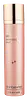
This brightening serum is formulated around Alpha-Arbutin and Hexylresorcinol to fade the look of dark spots and brighten dull-looking skin.
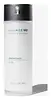
This brightening treatment is formulated around Niacinamide and Tranexamic Acid to fade the look of dark spots and brighten dull-looking skin.

What's inside
What's inside
 Key Ingredients
Benefits
Concerns
Ingredients Side-by-side
Water
Skin ConditioningC13-15 Alkane
SolventPropanediol
Solvent

Caprylic/Capric Triglyceride
Masking
Glyceryl Stearate Citrate
Emollient

Linoleic Acid
Cleansing


Glycerin
Humectant
Dimethicone
Emollient
Alpha-Arbutin
Antioxidant


Arginine PCA
HumectantHydrolyzed Sodium Hyaluronate
Skin Conditioning
Bisabolol
Antioxidant
Cetearyl Alcohol
Emollient



Acetyl Glycyl Beta-Alanine
Skin ConditioningHexylresorcinol
Antimicrobial
Terminalia Ferdinandiana Fruit Extract
Antioxidant
Artemisia Capillaris Flower Extract
Skin ConditioningDiglucosyl Gallic Acid
Pancratium Maritimum Extract
BleachingCeramide Ng
Skin Conditioning

Linolenic Acid
Cleansing

Beta-Glucan
Skin Conditioning
Algin
MaskingTocopherol
Antioxidant
Butylene Glycol
Humectant
Ethylhexylglycerin
Skin ConditioningXanthan Gum
EmulsifyingCarbomer
Emulsion StabilisingSodium Phytate
ChelatingSodium Hydroxide
BufferingPhenoxyethanol
Preservative
Benzoic Acid
Masking
Sorbic Acid
Preservative
Citric Acid
Buffering
Water, C13-15 Alkane, Propanediol, Caprylic/Capric Triglyceride, Glyceryl Stearate Citrate, Linoleic Acid, Glycerin, Dimethicone, Alpha-Arbutin, Arginine PCA, Hydrolyzed Sodium Hyaluronate, Bisabolol, Cetearyl Alcohol, Acetyl Glycyl Beta-Alanine, Hexylresorcinol, Terminalia Ferdinandiana Fruit Extract, Artemisia Capillaris Flower Extract, Diglucosyl Gallic Acid, Pancratium Maritimum Extract, Ceramide Ng, Linolenic Acid, Beta-Glucan, Algin, Tocopherol, Butylene Glycol, Ethylhexylglycerin, Xanthan Gum, Carbomer, Sodium Phytate, Sodium Hydroxide, Phenoxyethanol, Benzoic Acid, Sorbic Acid, Citric Acid
Water
Skin ConditioningCaprylic/Capric Triglyceride
Masking
Niacinamide
Smoothing




Tranexamic Acid
Astringent
Cetearyl Phosphate
Skin Conditioning
Tetrahexyldecyl Ascorbate
Antioxidant
Squalane
Emollient
Acetyl Glucosamine
Skin Conditioning
Dimethyl Isosorbide
SolventGlyceryl Stearate
Emollient
Polyacrylate-13
Alpha-Arbutin
Antioxidant
Butylene Glycol
Humectant
Acetyl Zingerone
Antioxidant
Hexylresorcinol
Antimicrobial
Bisabolol
Antioxidant
Ethyl Linoleate
Emollient
Tetrahydrodiferuloylmethane
Antioxidant
Glycyrrhiza Glabra Root Extract
Bleaching
Acetyl Cysteine
Antioxidant
Tocopherol
Antioxidant
Nonapeptide-1
Skin Conditioning
Sh-Polypeptide-5
Skin Conditioning
Sh-Oligopeptide-1
Skin Conditioning
Sh-Polypeptide-62
Antioxidant
Sh-Polypeptide-3
Skin Conditioning
Sh-Polypeptide-10
Skin Conditioning
Sh-Polypeptide-14
Skin Protecting
Sh-Polypeptide-66
Antioxidant
Sh-Polypeptide-67
Antioxidant
Sh-Polypeptide-2
Skin Conditioning
Sh-Polypeptide-58
Emollient
Sh-Oligopeptide-33
Skin Conditioning
Trehalose
Humectant
Mannitol
Humectant
Polyisobutene
Polysorbate 20
Emulsifying
Trisodium Ethylenediamine Disuccinate
ChelatingLonicera Caprifolium Extract
AstringentLonicera Japonica Callus Extract
Skin ProtectingLactic Acid
Buffering
Water, Caprylic/Capric Triglyceride, Niacinamide, Tranexamic Acid, Cetearyl Phosphate, Tetrahexyldecyl Ascorbate, Squalane, Acetyl Glucosamine, Dimethyl Isosorbide, Glyceryl Stearate, Polyacrylate-13, Alpha-Arbutin, Butylene Glycol, Acetyl Zingerone, Hexylresorcinol, Bisabolol, Ethyl Linoleate, Tetrahydrodiferuloylmethane, Glycyrrhiza Glabra Root Extract, Acetyl Cysteine, Tocopherol, Nonapeptide-1, Sh-Polypeptide-5, Sh-Oligopeptide-1, Sh-Polypeptide-62, Sh-Polypeptide-3, Sh-Polypeptide-10, Sh-Polypeptide-14, Sh-Polypeptide-66, Sh-Polypeptide-67, Sh-Polypeptide-2, Sh-Polypeptide-58, Sh-Oligopeptide-33, Trehalose, Mannitol, Polyisobutene, Polysorbate 20, Trisodium Ethylenediamine Disuccinate, Lonicera Caprifolium Extract, Lonicera Japonica Callus Extract, Lactic Acid
Reviews
Ingredients Explained
These ingredients are found in both products.
Ingredients higher up in an ingredient list are typically present in a larger amount.
Alpha-Arbutin is a brightening active used to fade dark spots, melasma, and post-acne marks. Structurally, it is a hydroquinone with a sugar molecule attached (but is much gentler than raw hydroquinone).
It has a pretty elegant way of working; it slots into tyrosinase, or the key enzyme that your skin uses to make melanin), and competitively blocks it so your skin produces less pigment over time.
There are two forms of arbutin and alpha is the better one to reach for: it works at lower amounts, absorbs into skin more easily, and has a strong safety record.
The science backs this up too: lab and animal studies confirm it lowers melanin by blocking tyosinase and the more you use (up to a point), the more it works.
Human studies look good too.
A 2024 trial found a cream with 5% alpha-arbutin and 2% kojic acid worked about as well as a prescription melasma cream but with fewer side effects. Another study showed 2% alpha-arbutin paired with 10% Trihydroxybenzoic Acid Glucoside and sunscreen faded dark spots and melasma without causing irritation.
Concentration-wise, most serums land in the 1-2% range.
The EU's Scientific Committee on Consumer Safety concluded that alpha-arbutin is safe in face creams up to 2% and body lotions up to 0.5%.
Overall, this is a well-studied and low-irritation brightener that's a great pick for anyone dealing with uneven skin tone. It also pairs well with vitamin C, niacinamide, and sunscreen.
Learn more about Alpha-ArbutinBisabolol is a gentle skin conditioner, antioxidant, and soothing ingredient.
It's primary claim to fame is soothing and research shows topically applied bisabolol can quiet the chemical messengers that cause your skin to become inflamed, helping to sooth any irritation.
A clinical study found that applying 0.5% bisabolol daily for 8 weeks produced an average 9% decrease in skin pigmentation. Researchers found it can also suppress the process that leads to excess melanin production in skin.
In vitro studies found that bisabolol combined with propylene glycol significantly increased skin permeability by increasing lipid fluidity in the stratum corneum.
You'll likely see use concentrations quite low, usually 0.1-0.2%.
Overall, this is a well-tolerated ingredient that works well in formulas designed for sensitive, reactive, or post-procedure skin.
Learn more about BisabololButylene Glycol (or BG) is used within cosmetic products for a few different reasons:
Overall, Butylene Glycol is a safe and well-rounded ingredient that works well with other ingredients.
Though this ingredient works well with most skin types, some people with sensitive skin may experience a reaction such as allergic rashes, closed comedones, or itchiness.
Learn more about Butylene GlycolCaprylic/Capric Triglyceride (aka MCT Oil) is a lightweight emollient, solvent, and texture enhancer. It is considered a skin-softener by helping to prevent moisture loss.
Though it behaves like an oil, it is not technically one due to its chemical composition. One perk of this ingredient is that it is very stable, resistant to oxidation, and unlikely to go rancid.
In practice, that translates to a long shelf life and a consistently elegant skin feel.
While there is an assumption Caprylic Triglyceride can clog pores due to it being derived from coconut oil, there is no research supporting this. Just patch test if you have concerns.
Fractionated coconut oil and MCT Oil are both listed as Caprylic/Capric Triglyceride according to INCI. This is because INCI names are based on the ingredient’s final chemical composition and not its marketing name or source.
This ingredient is treated as the gold standard fungal acne safe oil. Even though it is coconut derived, the problematic lauric acid is stripped out.
This leaves just caprylic (C8) and capric (C10) acid. These chain lengths actually trend antifungal; a 2020 study found caprylic acid was enough to disrupt Malassezia furfur cell membrane, with a caprylic acid derivative damaging membrane structures at concentrations as low as 0.2%.
Learn more about Caprylic/Capric TriglycerideAnother popular name for this ingredient is Synovea HR. This ingredient is a skin lightener and antioxidant.
Like other skin lighteners, it blocks the process of skin darkening. Specifically, this ingredient blocks tyrosinase, the enzyme responsible for darkening skin when exposed to UV.
Hexylresorcinol works well with other ingredients. Studies show this ingredient boosts the effect of niacinamide, various forms of vitamin C, and retinoids.
Many consider this to be a safer alternative to hydroquinone. In fact, this ingredient produces the same results as hydroquinone in lower amounts.
Fun fact: This ingredient can also be found food and medicine for treating skin infections.
Gentle reminder from SkinSort: all skin tones are beautiful!
Learn more about HexylresorcinolTocopherol is a fat-soluble antioxidant known as Vitamin E.
You'll find this ingredient in the vast majority of skincare (for good reason). It works to neutralize free radicals, or unstable molecules generated by UV exposure, pollution, and other environmental stressors, before they can cause oxidative damage to your skin cells.
Topically applied tocopherol has been shown to protect against UV damage by ramping up the skin's own natural defense enzymes.
It also acts as a skin conditioning agent; some studies show that regular topical use can improve the skin's water-binding capacity over 2-4 weeks.
This ingredient is especially loved for being a team player. When combined with Vitamin C, the photoprotective effect of both ingredients roughly doubles and the combo also helps reduce UV-induced DNA damage.
This ingredient has some brightening potential but it's more of a prevention ingredient than spot-fader. Cell studies show it can slow down melanin production but it's worth noting that it's not the most powerful brightener out there.
In formulations, it also serves as a stabilizer that helps protect other oxidation-prone ingredients from degrading.
Concentrations usually range from 0.1-1% in most leave-on products.
Learn more about TocopherolWater. It's the most common cosmetic ingredient of all. You'll usually see it at the top of ingredient lists, meaning that it makes up the largest part of the product.
So why is it so popular? Water most often acts as a solvent - this means that it helps dissolve other ingredients into the formulation.
You'll also recognize water as that liquid we all need to stay alive. If you see this, drink a glass of water. Remember to stay hydrated!
Learn more about Water

