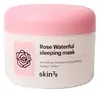
This smoothing overnight mask is formulated around Niacinamide and Rosa Damascena Flower Water to refine skin texture.
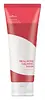
This wash off mask is made with Rosa Damascena Flower Water and Sodium Hyaluronate for a rinse-off calming boost.

What's inside
What's inside
 Key Ingredients
Benefits
Concerns
Ingredients Side-by-side
Water
Skin ConditioningGlycerin
Humectant


Cyclopentasiloxane
Emollient
Propanediol
Solvent
Dimethicone
Emollient
Niacinamide
Smoothing









Dimethicone/PEG-10/15 Crosspolymer
Butylene Glycol
Humectant
Rosa Damascena Flower Water
Masking
Citric Acid
Buffering

Glycolic Acid
Buffering

Lactic Acid
Buffering
Malic Acid
Buffering
Pyruvic Acid
MaskingTartaric Acid
Buffering
Trehalose
Humectant
Malpighia Emarginata Fruit Extract
Skin ConditioningTerminalia Ferdinandiana Fruit Extract
Antioxidant
Euterpe Oleracea Fruit Extract
Ficus Carica Fruit/Leaf Extract
Skin ConditioningMorus Alba Fruit Extract
Antioxidant
Ceramide NP
Skin Conditioning
Betaine
Humectant
Theobroma Cacao Seed Extract
Antioxidant
Sodium Citrate
BufferingBenzophenone-5
UV Absorber
Disodium EDTA
ChelatingPhenoxyethanol
Preservative
Chlorphenesin
Antimicrobial
Sodium Benzoate
Masking
Potassium Sorbate
Preservative
CI 17200
Cosmetic ColorantCI 42090
Cosmetic ColorantParfum
Masking

Water, Glycerin, Cyclopentasiloxane, Propanediol, Dimethicone, Niacinamide, Dimethicone/PEG-10/15 Crosspolymer, Butylene Glycol, Rosa Damascena Flower Water, Citric Acid, Glycolic Acid, Lactic Acid, Malic Acid, Pyruvic Acid, Tartaric Acid, Trehalose, Malpighia Emarginata Fruit Extract, Terminalia Ferdinandiana Fruit Extract, Euterpe Oleracea Fruit Extract, Ficus Carica Fruit/Leaf Extract, Morus Alba Fruit Extract, Ceramide NP, Betaine, Theobroma Cacao Seed Extract, Sodium Citrate, Benzophenone-5, Disodium EDTA, Phenoxyethanol, Chlorphenesin, Sodium Benzoate, Potassium Sorbate, CI 17200, CI 42090, Parfum
Rosa Damascena Flower Water
Masking
Glycerin
Humectant
Water
Skin ConditioningMethylpropanediol
SolventBetaine
Humectant
1,2-Hexanediol
Skin Conditioning
Sodium Hyaluronate
Humectant
Trehalose
Humectant
Dextrin
AbsorbentRosa Gallica Flower Powder
Skin ConditioningGlyceryl Polymethacrylate
Glycine
Buffering
Serine
Masking
Sodium PCA
Humectant
Sorbitol
Humectant
Alanine
Masking
Arginine
Masking
Threonine
Proline
Skin Conditioning
Glutamic Acid
Humectant
Lysine
Skin ConditioningRosa Canina Fruit Oil
Emollient

Phellodendron Amurense Bark Extract
Skin ConditioningTheobroma Cacao Seed Extract
Antioxidant
Polyglyceryl-10 Laurate
Skin Conditioning
Geranium Maculatum Oil
Masking
Tromethamine
BufferingXanthan Gum
EmulsifyingCarbomer
Emulsion StabilisingEthylhexylglycerin
Skin ConditioningDisodium EDTA
ChelatingRosa Damascena Flower Water, Glycerin, Water, Methylpropanediol, Betaine, 1,2-Hexanediol, Sodium Hyaluronate, Trehalose, Dextrin, Rosa Gallica Flower Powder, Glyceryl Polymethacrylate, Glycine, Serine, Sodium PCA, Sorbitol, Alanine, Arginine, Threonine, Proline, Glutamic Acid, Lysine, Rosa Canina Fruit Oil, Phellodendron Amurense Bark Extract, Theobroma Cacao Seed Extract, Polyglyceryl-10 Laurate, Geranium Maculatum Oil, Tromethamine, Xanthan Gum, Carbomer, Ethylhexylglycerin, Disodium EDTA
Reviews
Ingredients Explained
These ingredients are found in both products.
Ingredients higher up in an ingredient list are typically present in a larger amount.
Betaine is a humectant. Like hyaluronic acid, it helps attract and retain moisture in the skin. It’s known for being gentle and for helping the skin maintain balanced hydration.
Betaine is mainly used to improve hydration and support calmer skin. It helps skin cells regulate water balance because it functions as an osmolyte.
Some studies suggest betaine may support making skin tone more even.
Fun fact: Betaine naturally exists in the skin and the body. In cosmetic products, it can be either plant-derived (most commonly from sugar beets) or synthetically produced for consistency and stability.
Betaine is also known as trimethylglycine.
Learn more about BetaineDisodium EDTA is a chelating agent. It grabs onto and deactivates metal ions that sneak into your products from water, packaging, or air.
This ingredient mainly works behind the scenes and helps with:
On top of that, this ingredient can counteract the effects of hard water by binding to the minerals in it.
One thing worth knowing is that Disodium EDTA has been shown to be a mild penetration enhancer. It can help other ingredients absorb into skin more effectively which can be a double-edged sword (great for actives, but can also make the active too strong if you have sensitive skin).
Clinical patch testing showed no significant skin irritation at typical use concentrations and minimal dermal absorption.
You'll most likely see this ingredient near the end of an ingredient list. It's typically found in concentrations less than 1%.
Learn more about Disodium EDTAGlycerin (or glycerol) is a compound naturally found in your skin. It's a powerhouse humectant that pulls water into the stratum corneum.
Topically, glycerin does several things at once:
Your skin makes glycerin on its own (mostly from sebaceous oil breakdown) and shuttles it to your outermost layer of skin, or your epidermis, via aquaporin-3.
Aquaporin-3 is a transporter that is essential for normal skin hydration, elasticity, and repair. Interestingly, mice lacking in AQP3 have dry and less elastic skin that can be fully corrected with glycerin.
This ingredient is non-irritating, plays well with almost every ingredient, and works across all skin types. Typical use is anywhere between 3-10% but can go up to 79% in some leave-on products.
Just know very high concentrations (>40%) can feel tacky in low humidity.
Glycerin is the name for this ingredient in American English. British English uses Glycerol/Glycerine.
Learn more about GlycerinRosa Damascena Flower Water is the water-based byproduct of steam-distilling damask rose petals. It has skin conditioning, masking, and skin protecting properties.
Research shows that Rosa damascena is rich in flavonoids and phenolic compounds like gallic acid that contribute to its antioxidant activity.
In vitro studies have shown that Rosa damascena can scavenge free radicals and reduce melanin overproduction. Research has also found this extract offers some degree of UV absorption but this should not replace your sunscreen.
Learn more about Rosa Damascena Flower WaterTheobroma Cacao Seed Extract comes from the Theobroma cacoa, or Cacao tree. Cacao trees are native to tropical landscapes.
Cacao seed extract contains antioxidants known as polyphenols.
Trehalose is a disaccharide made of two glucose molecules (glucose is sugar!). Trehalose is used to help moisturize skin. It also has antioxidant properties.
As a humectant, trehalose helps draw moisture from the air to your skin. This helps keep your skin hydrated.
Due to its antioxidant properties, trehalose may help with signs of aging. Antioxidants help fight free-radical molecules, unstable molecules that may damage your skin.
In medicine, trehalose and hyaluronic acid are used to help treat dry eyes.
Some animals, plants, and bacteria create trehalose as a source of energy to survive freeze or lack of water.
Learn more about TrehaloseWater. It's the most common cosmetic ingredient of all. You'll usually see it at the top of ingredient lists, meaning that it makes up the largest part of the product.
So why is it so popular? Water most often acts as a solvent - this means that it helps dissolve other ingredients into the formulation.
You'll also recognize water as that liquid we all need to stay alive. If you see this, drink a glass of water. Remember to stay hydrated!
Learn more about Water

