Skin Nutrition Botanicals Glow Up Hyaluronic Acid 2% + Rice Ferment Night Booster Versus S.NATURE Aqua Collagen Peptide Triple Gel Essence
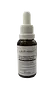
This hydrating serum is formulated around Tremella Fuciformis Polysaccharide and Saccharomyces/Rice Ferment Filtrate to hydrate skin.
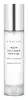
This hydrating essence is formulated around Acetyl Hexapeptide-8 and Sodium Hyaluronate to hydrate skin and soften the look of wrinkles.


What's inside
What's inside
 Key Ingredients
Benefits
Concerns
No concerns
Ingredients Side-by-side
Tremella Fuciformis Polysaccharide
Emulsion Stabilising

Saccharomyces/Rice Ferment Filtrate
Skin Conditioning

Lactococcus Ferment
Skin ConditioningGlycerin
Humectant

Propanediol
Solvent
Isopropyl Myristate
Emollient



Sodium Hyaluronate
Humectant

Butyrospermum Parkii Butter
Skin Conditioning
Helianthus Annuus Seed Oil
Emollient
Niacinamide
Smoothing







Beta-Sitosterol
Emulsion Stabilising
Tocopherol
Antioxidant

Caffeine
Skin Conditioning
Sucrose
Humectant
Acrylates/C10-30 Alkyl Acrylate Crosspolymer
Emulsion StabilisingCarbomer
Emulsion StabilisingPolysorbate 60
Emulsifying
Phenoxyethanol
Preservative
Ethylhexylglycerin
Skin Conditioning1,2-Hexanediol
Skin Conditioning
Tremella Fuciformis Polysaccharide, Saccharomyces/Rice Ferment Filtrate, Lactococcus Ferment, Glycerin, Propanediol, Isopropyl Myristate, Sodium Hyaluronate, Butyrospermum Parkii Butter, Helianthus Annuus Seed Oil, Niacinamide, Beta-Sitosterol, Tocopherol, Caffeine, Sucrose, Acrylates/C10-30 Alkyl Acrylate Crosspolymer, Carbomer, Polysorbate 60, Phenoxyethanol, Ethylhexylglycerin, 1,2-Hexanediol
Water
Skin ConditioningButylene Glycol
Humectant
Glycerin
Humectant
Sorbitol
Humectant
1,2-Hexanediol
Skin Conditioning
Hydrolyzed Collagen
Emollient
Acetyl Hexapeptide-8
Humectant
Sodium Hyaluronate
Humectant
Adenosine
Skin Conditioning
Hydroxypropyltrimonium Hyaluronate
Sodium Acetylated Hyaluronate
Humectant
Hydrolyzed Hyaluronic Acid
Humectant
Hyaluronic Acid
Humectant
Sodium Hyaluronate Crosspolymer
Humectant
Hydrolyzed Sodium Hyaluronate
Skin Conditioning
Potassium Hyaluronate
Skin ConditioningAllantoin
Skin Conditioning
Betaine
Humectant
Arginine
Masking
Centella Asiatica Extract
Cleansing
Polygonum Cuspidatum Root Extract
Antioxidant
Scutellaria Baicalensis Root Extract
Astringent
Camellia Sinensis Leaf Extract
Antimicrobial
Glycyrrhiza Glabra Root Extract
Bleaching
Chamomilla Recutita Flower Extract
Masking
Rosmarinus Officinalis Leaf Extract
AntimicrobialAcrylates/C10-30 Alkyl Acrylate Crosspolymer
Emulsion StabilisingHydroxyethylcellulose
Emulsion StabilisingCaprylyl Glycol
Emollient
Water, Butylene Glycol, Glycerin, Sorbitol, 1,2-Hexanediol, Hydrolyzed Collagen, Acetyl Hexapeptide-8, Sodium Hyaluronate, Adenosine, Hydroxypropyltrimonium Hyaluronate, Sodium Acetylated Hyaluronate, Hydrolyzed Hyaluronic Acid, Hyaluronic Acid, Sodium Hyaluronate Crosspolymer, Hydrolyzed Sodium Hyaluronate, Potassium Hyaluronate, Allantoin, Betaine, Arginine, Centella Asiatica Extract, Polygonum Cuspidatum Root Extract, Scutellaria Baicalensis Root Extract, Camellia Sinensis Leaf Extract, Glycyrrhiza Glabra Root Extract, Chamomilla Recutita Flower Extract, Rosmarinus Officinalis Leaf Extract, Acrylates/C10-30 Alkyl Acrylate Crosspolymer, Hydroxyethylcellulose, Caprylyl Glycol
Reviews
Ingredients Explained
These ingredients are found in both products.
Ingredients higher up in an ingredient list are typically present in a larger amount.
1,2-Hexanediol is a synthetic liquid and another multi-functional powerhouse.
It is a:
- Humectant, drawing moisture into the skin
- Emollient, helping to soften skin
- Solvent, dispersing and stabilizing formulas
- Preservative booster, enhancing the antimicrobial activity of other preservatives
Acrylates/C10-30 Alkyl Acrylate Crosspolymer is a synthetic polymer. It is used to thicken, emulsify, and improve the texture of products.
As an emulsifier, it helps stabilize oil-in-water emulsions to give products an elegant feel when applied.
It can also form a thin protective film on skin. One study found that a formula using this polymer helped slow down how quickly other ingredients (like DEET) were absorbed through skin.
A 2024 study of over 1,300 patients confirmed that sensitization to this ingredient is rare. It is also non-mutagenic and has a clean track record.
Learn more about Acrylates/C10-30 Alkyl Acrylate CrosspolymerGlycerin (or glycerol) is a compound naturally found in your skin. It's a powerhouse humectant that pulls water into the stratum corneum.
Topically, glycerin does several things at once:
Your skin makes glycerin on its own (mostly from sebaceous oil breakdown) and shuttles it to your outermost layer of skin, or your epidermis, via aquaporin-3.
Aquaporin-3 is a transporter that is essential for normal skin hydration, elasticity, and repair. Interestingly, mice lacking in AQP3 have dry and less elastic skin that can be fully corrected with glycerin.
This ingredient is non-irritating, plays well with almost every ingredient, and works across all skin types. Typical use is anywhere between 3-10% but can go up to 79% in some leave-on products.
Just know very high concentrations (>40%) can feel tacky in low humidity.
Glycerin is the name for this ingredient in American English. British English uses Glycerol/Glycerine.
Learn more about GlycerinSodium Hyaluronate is the salt form of hyaluronic acid. It is a long sugar chain that is naturally found in your skin, joints, and connective tissue that maintains hydration and elasticity.
In skincare, it works as a humectant. It pulls water from the environment and deeper layers of skin and binds it to the surface.
Interestingly, the size of the molecule affects its behavior:
Some clinical evidence links low molecular weight versions to improved wrinkle depth, elasticity, anti-inflammatory effects, and barrier repair.
Many serums use a blend of both weights so you can get surface hydration plus longer-lasting and deeper effects.
You'll typically see concentrations between 0.1-2% for this ingredient.
Learn more about Sodium Hyaluronate

