This anti-aging eye moisturizer is formulated around Niacinamide and Alpha-Arbutin to soften the look of wrinkles and fade the look of dark spots.
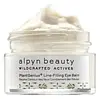
This anti-aging eye moisturizer is formulated around Sodium Hyaluronate and Bakuchiol to soften the look of wrinkles and hydrate skin.


What's inside
What's inside
 Key Ingredients
Benefits
Concerns
Ingredients Side-by-side
Water
Skin ConditioningGlycerin
Humectant


1,2-Hexanediol
Skin Conditioning
Niacinamide
Smoothing









Alpha-Arbutin
Antioxidant

Panthenol
Skin Conditioning
Glycereth-25 PCA Isostearate
Emulsifying

Ammonium Acryloyldimethyltaurate/Vp Copolymer
Bakuchiol 0.2%
Antimicrobial
Polyglyceryl-10 Laurate
Skin Conditioning
Hydrogenated Lecithin
Emulsifying
Adenosine
Skin Conditioning
Olea Europaea Fruit Oil
Masking



Macadamia Ternifolia Seed Oil
Emollient
Vitis Vinifera Seed Oil
Emollient
Simmondsia Chinensis Seed Oil
Emollient
Caffeine
Skin Conditioning
Sh-Oligopeptide-1
Skin Conditioning
Sh-Polypeptide-1
Skin Conditioning
Sh-Oligopeptide-2
Skin Conditioning
Sh-Polypeptide-19
Skin Conditioning
Caprylyl Glycol
Emollient
Acetyl Hexapeptide-8
Humectant
Biotin
AntiseborrhoeicWater, Glycerin, 1,2-Hexanediol, Niacinamide, Alpha-Arbutin, Panthenol, Glycereth-25 PCA Isostearate, Ammonium Acryloyldimethyltaurate/Vp Copolymer, Bakuchiol 0.2%, Polyglyceryl-10 Laurate, Hydrogenated Lecithin, Adenosine, Olea Europaea Fruit Oil, Macadamia Ternifolia Seed Oil, Vitis Vinifera Seed Oil, Simmondsia Chinensis Seed Oil, Caffeine, Sh-Oligopeptide-1, Sh-Polypeptide-1, Sh-Oligopeptide-2, Sh-Polypeptide-19, Caprylyl Glycol, Acetyl Hexapeptide-8, Biotin
Water
Skin ConditioningSodium Hyaluronate
Humectant
Cetearyl Alcohol
Emollient

Squalane
Emollient
Coconut Alkanes
Emollient
Glycerin
Humectant
Pyrus Malus Fruit Extract
Skin Conditioning
Coco-Caprylate/Caprate
Emollient
Mica
Cosmetic ColorantTitanium Dioxide
Cosmetic Colorant

Bakuchiol
Antimicrobial
Centella Asiatica Meristem Cell Culture
Antioxidant
Xanthan Gum
EmulsifyingEuphrasia Officinalis Extract
AntimicrobialCetearyl Glucoside
Emulsifying
Sorbitan Stearate
Emulsifying
Dehydroacetic Acid
Preservative
Benzyl Alcohol
Perfuming



Linoleic Acid
Cleansing
Cetyl Hydroxyethylcellulose
Emulsion StabilisingCaffeine
Skin Conditioning
Tripeptide-29
Skin Conditioning
Potassium Sorbate
Preservative
Hydrolyzed Sodium Hyaluronate
Skin Conditioning
Kappaphycus Alvarezii Extract
Skin Conditioning
Caesalpinia Spinosa Fruit Extract
Skin ProtectingTocopherol
Antioxidant
Tin Oxide
Abrasive
Caesalpinia Sappan Bark Extract
Skin ConditioningGlycyrrhiza Glabra Root Extract
Bleaching
Helianthus Annuus Seed Oil
Emollient
Arctostaphylos Uva Ursi Leaf Extract
Skin Conditioning
Ascorbic Acid
Antioxidant
Ceramide Ng
Skin Conditioning
Simmondsia Chinensis Seed Oil
Emollient
Salvia Officinalis Leaf Extract
CleansingArnica Montana Flower Extract
Masking
Malva Officinalis Flower Extract
Skin ConditioningCalendula Officinalis Flower Extract
Masking
Chamomilla Recutita Flower Extract
Masking
Water, Sodium Hyaluronate, Cetearyl Alcohol, Squalane, Coconut Alkanes, Glycerin, Pyrus Malus Fruit Extract, Coco-Caprylate/Caprate, Mica, Titanium Dioxide, Bakuchiol, Centella Asiatica Meristem Cell Culture, Xanthan Gum, Euphrasia Officinalis Extract, Cetearyl Glucoside, Sorbitan Stearate, Dehydroacetic Acid, Benzyl Alcohol, Linoleic Acid, Cetyl Hydroxyethylcellulose, Caffeine, Tripeptide-29, Potassium Sorbate, Hydrolyzed Sodium Hyaluronate, Kappaphycus Alvarezii Extract, Caesalpinia Spinosa Fruit Extract, Tocopherol, Tin Oxide, Caesalpinia Sappan Bark Extract, Glycyrrhiza Glabra Root Extract, Helianthus Annuus Seed Oil, Arctostaphylos Uva Ursi Leaf Extract, Ascorbic Acid, Ceramide Ng, Simmondsia Chinensis Seed Oil, Salvia Officinalis Leaf Extract, Arnica Montana Flower Extract, Malva Officinalis Flower Extract, Calendula Officinalis Flower Extract, Chamomilla Recutita Flower Extract
Reviews
Ingredients Explained
These ingredients are found in both products.
Ingredients higher up in an ingredient list are typically present in a larger amount.
Bakuchiol is a plant-derived antioxidant from the seeds of the Psoralea corylifolia plant. It has antimicrobial, emollient, skin conditioning, and antioxidant properties.
You'll likely see it called a "retinol replacement" but the two are technically not related. This is because bakuchiol is able to flip many of the same switches in your skin cells to tell them to:
1) produce more collagen (type I, III, and IV)
2) activate the same genes retinoids do
Unlike retinoids, this ingredient will not increase photosensitivity and is safe to use during pregnancy (but please still check in with your doctor!).
The flagship clinical trial from Dhaliwal et al. 2019 found 0.5% bakuchiol (twice daily) and 0.5% retinol (once daily) reduced wrinkles and hyperpigmentation equally, but bakuchiol had significantly less irritation.
Systematic reviews also back this up:
Bakuchiol is comparable to retinol for photoaging but with better tolerability. It also has mild antibacterial properties against Cutibacterium acnes and antifungal activity in vitro against Candida and dermatophytes.
The reason bakuchiol works well is due to its structure; it is a meroterpene phenol, or a hybrid molecule. The phenol half acts as an antioxidant while the terpene half is fat-loving. This helps the molecule slip through the skin barrier.
This ingredient is usually used between 0.5-2%. Only one case of contact dermatitis has ever been reported for this ingredient.
Learn more about BakuchiolCaffeine is a naturally occurring plant compound found in coffee beans, tea leaves, cocoa pods, and guarana.
As an antioxidant, caffeine protects your skin from free radical damage caused by UV exposure and envionrmnetal stressors.
Early research also shows that caffeine can help calm redness, soothe irritated skin, and support hair growth by stimulating microcirculation in the scalp.
You might have seen eye creams marketing caffeine as a depuffing ingredient. This is because it is a vasoconstrictor meaning it can temporarily constrict blood vessels, though clinical evidence for this specific use is still limited.
Most skincare products contain this ingredient at concentrations between 1-6%. It is able to penetrate skin easily regardless of skin type or thickness.
Just so you know, a very small number of case reports describe caffeine-induced allergy. This ingredient is generally well-tolerated, non-irritating, and non-sensitizing for the majority of people.
Learn more about CaffeineGlycerin (or glycerol) is a compound naturally found in your skin. It's a powerhouse humectant that pulls water into the stratum corneum.
Topically, glycerin does several things at once:
Your skin makes glycerin on its own (mostly from sebaceous oil breakdown) and shuttles it to your outermost layer of skin, or your epidermis, via aquaporin-3.
Aquaporin-3 is a transporter that is essential for normal skin hydration, elasticity, and repair. Interestingly, mice lacking in AQP3 have dry and less elastic skin that can be fully corrected with glycerin.
This ingredient is non-irritating, plays well with almost every ingredient, and works across all skin types. Typical use is anywhere between 3-10% but can go up to 79% in some leave-on products.
Just know very high concentrations (>40%) can feel tacky in low humidity.
Glycerin is the name for this ingredient in American English. British English uses Glycerol/Glycerine.
Learn more about GlycerinJojoba oil is one of the most well-studied plant-derived ingredients in cosmetics. It is an emollient with a special structure.
Because it is made up of 97-98% wax esters, it closely mirrors the linear monoesters found in human sebum. This makes it skin compatible, non-greasy, and lightweight.
Unlike other plant oils, jojoba wax doesn't easily penetrate skin. It mostly works in the uppermost layers as an emollient. This just means it forms a light barrier on the skin to help retain moisture.
Formulations with jojoba esters up to 90% reduced transepidermal water loss (TEWL) and increased barrier recovery by 81% (outperforming bisabolol at 47%).
Besides barrier support, the science also suggests jojoba to have anti-inflammatory effects and potential applications for skin infections, aging, and wound healing.
Fun fact: Indigenous cultures have used jojoba as a moisturizer and to help treat burns for centuries.
Fungal acne: The Malassezia yeast is known to metabolize fatty acids in the C11-24 range and jojoba's dominant fatty acid components fall into this range. This ingredient may not be fungal acne safe.
Learn more about Simmondsia Chinensis Seed OilWater. It's the most common cosmetic ingredient of all. You'll usually see it at the top of ingredient lists, meaning that it makes up the largest part of the product.
So why is it so popular? Water most often acts as a solvent - this means that it helps dissolve other ingredients into the formulation.
You'll also recognize water as that liquid we all need to stay alive. If you see this, drink a glass of water. Remember to stay hydrated!
Learn more about Water

