

What's inside
What's inside
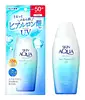 Key Ingredients
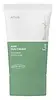
Benefits
Concerns
No concerns
Ingredients Side-by-side
Water
Skin ConditioningEthylhexyl Methoxycinnamate
UV Absorber


Alcohol Denat.
Antimicrobial



Butylene Glycol
Humectant

Sodium Hyaluronate
Humectant


Ethylhexyl Triazone
UV Absorber
Triethanolamine
BufferingXanthan Gum
EmulsifyingHydrolyzed Sodium Hyaluronate
Skin Conditioning

Silica
Abrasive


Polyglyceryl-10 Pentaisostearate
Emollient
Acrylates/C10-30 Alkyl Acrylate Crosspolymer
Emulsion StabilisingHydrolyzed Collagen
Emollient
Glycerin
Humectant
Sodium Acetylated Hyaluronate
Humectant
Diethylamino Hydroxybenzoyl Hexyl Benzoate
UV Filter
Bis-Ethylhexyloxyphenol Methoxyphenyl Triazine
Skin Conditioning
Disodium EDTA
Diethoxyethyl Succinate
SolventArginine
Masking
Polystyrene
Bis-PEG-18 Methyl Ether Dimethyl Silane
EmollientIsononyl Isononanoate
EmollientPhenoxyethanol
Preservative
Polyvinyl Alcohol
Glycol Dimethacrylate Crosspolymer
Methylparaben
Preservative
Hydroxypropyltrimonium Hyaluronate
Dipropylene Glycol
HumectantWater, Ethylhexyl Methoxycinnamate, Alcohol Denat., Butylene Glycol, Sodium Hyaluronate, Ethylhexyl Triazone, Triethanolamine, Xanthan Gum, Hydrolyzed Sodium Hyaluronate, Silica, Polyglyceryl-10 Pentaisostearate, Acrylates/C10-30 Alkyl Acrylate Crosspolymer, Hydrolyzed Collagen, Glycerin, Sodium Acetylated Hyaluronate, Diethylamino Hydroxybenzoyl Hexyl Benzoate, Bis-Ethylhexyloxyphenol Methoxyphenyl Triazine, Disodium EDTA, Diethoxyethyl Succinate, Arginine, Polystyrene, Bis-PEG-18 Methyl Ether Dimethyl Silane, Isononyl Isononanoate, Phenoxyethanol, Polyvinyl Alcohol, Glycol Dimethacrylate Crosspolymer, Methylparaben, Hydroxypropyltrimonium Hyaluronate, Dipropylene Glycol
Water
Skin ConditioningZinc Oxide
Cosmetic Colorant
Cyclohexasiloxane
Emollient
Butyloctyl Salicylate
Skin Conditioning
Propanediol
Solvent
Propylheptyl Caprylate
EmollientIsododecane
EmollientPolyglyceryl-3 Polydimethylsiloxyethyl Dimethicone
Skin Conditioning
Caprylyl Methicone
Skin Conditioning
Dicaprylyl Carbonate
EmollientMethyl Methacrylate Crosspolymer
Polymethylsilsesquioxane
Centella Asiatica Extract
Cleansing
Artemisia Capillaris Extract
Houttuynia Cordata Extract
Skin Conditioning
Melaleuca Alternifolia Leaf Extract
Perfuming
Sodium Hyaluronate
Humectant
Disteardimonium Hectorite
StabilisingMagnesium Sulfate
Triethoxycaprylylsilane
1,2-Hexanediol
Skin Conditioning
Polyglyceryl-2 Dipolyhydroxystearate
Skin Conditioning
Lauryl Polyglyceryl-3 Polydimethylsiloxyethyl Dimethicone
Skin Conditioning
Phenyl Trimethicone
Skin Conditioning
Acrylates/Dimethicone Copolymer
Skin Conditioning
Glyceryl Caprylate
EmollientCaprylyl Glycol
Emollient
Ethylhexylglycerin
Skin ConditioningTocopherol
Antioxidant



Butylene Glycol
Humectant
Pentylene Glycol
Skin Conditioning
Water, Zinc Oxide, Cyclohexasiloxane, Butyloctyl Salicylate, Propanediol, Propylheptyl Caprylate, Isododecane, Polyglyceryl-3 Polydimethylsiloxyethyl Dimethicone, Caprylyl Methicone, Dicaprylyl Carbonate, Methyl Methacrylate Crosspolymer, Polymethylsilsesquioxane, Centella Asiatica Extract, Artemisia Capillaris Extract, Houttuynia Cordata Extract, Melaleuca Alternifolia Leaf Extract, Sodium Hyaluronate, Disteardimonium Hectorite, Magnesium Sulfate, Triethoxycaprylylsilane, 1,2-Hexanediol, Polyglyceryl-2 Dipolyhydroxystearate, Lauryl Polyglyceryl-3 Polydimethylsiloxyethyl Dimethicone, Phenyl Trimethicone, Acrylates/Dimethicone Copolymer, Glyceryl Caprylate, Caprylyl Glycol, Ethylhexylglycerin, Tocopherol, Butylene Glycol, Pentylene Glycol
Reviews
Ingredients Explained
These ingredients are found in both products.
Ingredients higher up in an ingredient list are typically present in a larger amount.
Butylene Glycol (or BG) is used within cosmetic products for a few different reasons:
Overall, Butylene Glycol is a safe and well-rounded ingredient that works well with other ingredients.
Though this ingredient works well with most skin types, some people with sensitive skin may experience a reaction such as allergic rashes, closed comedones, or itchiness.
Learn more about Butylene GlycolSodium Hyaluronate is the salt form of hyaluronic acid. It is a long sugar chain that is naturally found in your skin, joints, and connective tissue that maintains hydration and elasticity.
In skincare, it works as a humectant. It pulls water from the environment and deeper layers of skin and binds it to the surface.
Interestingly, the size of the molecule affects its behavior:
Some clinical evidence links low molecular weight versions to improved wrinkle depth, elasticity, anti-inflammatory effects, and barrier repair.
Many serums use a blend of both weights so you can get surface hydration plus longer-lasting and deeper effects.
You'll typically see concentrations between 0.1-2% for this ingredient.
Learn more about Sodium HyaluronateWater. It's the most common cosmetic ingredient of all. You'll usually see it at the top of ingredient lists, meaning that it makes up the largest part of the product.
So why is it so popular? Water most often acts as a solvent - this means that it helps dissolve other ingredients into the formulation.
You'll also recognize water as that liquid we all need to stay alive. If you see this, drink a glass of water. Remember to stay hydrated!
Learn more about Water
