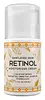
This anti-aging moisturizer is formulated around Aloe Barbadensis Leaf Juice and Retinol to soften the look of wrinkles and refine skin texture.
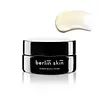
This calming moisturizer is formulated around Simmondsia Chinensis Seed Oil and Centella Asiatica Extract to calm redness and strengthen the skin barrier.

What's inside
What's inside
 Key Ingredients
Benefits
Concerns
Ingredients Side-by-side
Aloe Barbadensis Leaf Juice
Skin Conditioning


Water
Skin ConditioningHelianthus Annuus Seed Oil
Emollient


Isopropyl Palmitate
Emollient


Glyceryl Stearate
Emollient
Cetyl Alcohol
Emollient

Cassia Angustifolia Seed Extract
Skin ConditioningStearic Acid
Cleansing
Glycerin
Humectant

Simmondsia Chinensis Seed Oil
Emollient
Butyrospermum Parkii Butter
Skin Conditioning
Tocopheryl Acetate
Antioxidant


Panthenol
Skin Conditioning
Retinol
Skin Conditioning







Camellia Sinensis Leaf Extract
Antimicrobial
Propolis Extract
Skin Conditioning
Centella Asiatica Extract
Cleansing
Equisetum Arvense Extract
AstringentGeranium Maculatum Extract
TonicTaraxacum Officinale Extract
Skin ConditioningXanthan Gum
EmulsifyingPolysorbate 20
Emulsifying
Pentylene Glycol
Skin Conditioning
Alcohol
Antimicrobial

Lecithin
Emollient
Phenoxyethanol
Preservative
Ethylhexylglycerin
Skin ConditioningAloe Barbadensis Leaf Juice, Water, Helianthus Annuus Seed Oil, Isopropyl Palmitate, Glyceryl Stearate, Cetyl Alcohol, Cassia Angustifolia Seed Extract, Stearic Acid, Glycerin, Simmondsia Chinensis Seed Oil, Butyrospermum Parkii Butter, Tocopheryl Acetate, Panthenol, Retinol, Camellia Sinensis Leaf Extract, Propolis Extract, Centella Asiatica Extract, Equisetum Arvense Extract, Geranium Maculatum Extract, Taraxacum Officinale Extract, Xanthan Gum, Polysorbate 20, Pentylene Glycol, Alcohol, Lecithin, Phenoxyethanol, Ethylhexylglycerin
Water
Skin ConditioningSimmondsia Chinensis Seed Oil
Emollient
Cassia Angustifolia Seed Extract
Skin ConditioningMelissa Officinalis Seed Oil
Skin Conditioning
Pelargonium Graveolens Flower Oil
Masking


Amyris Balsamifera Bark Oil
Masking
Copaifera Species Resin Oils
Perfuming
Dipterocarpus Turbinatus Balsam Oil
Perfuming
Santalum Album Oil
Masking
Santalum Spicata Wood Oil
Perfuming
Avena Sativa Seed Extract
Skin ConditioningCentella Asiatica Extract
Cleansing
Curcuma Longa Rhizome Extract
Skin ConditioningHydrastis Canadensis Extract
MaskingLavandula Angustifolia Extract
Skin Conditioning
Propolis Extract
Skin Conditioning
Salvia Officinalis Leaf Extract
CleansingSymphytum Officinale Leaf Extract
Skin ConditioningThymus Vulgaris Flower/Leaf Extract
MaskingEquisetum Arvense Extract
AstringentGeranium Maculatum Extract
TonicTaraxacum Officinale Extract
Skin ConditioningGlycyrrhiza Glabra Root Extract
Bleaching
Aloe Barbadensis Leaf Juice
Skin Conditioning
Alcohol
Antimicrobial
Phenoxyethanol
Preservative
Acrylates/C10-30 Alkyl Acrylate Crosspolymer
Emulsion StabilisingSodium Hydroxide
BufferingEthylhexylglycerin
Skin ConditioningWater, Simmondsia Chinensis Seed Oil, Cassia Angustifolia Seed Extract, Melissa Officinalis Seed Oil, Pelargonium Graveolens Flower Oil, Amyris Balsamifera Bark Oil, Copaifera Species Resin Oils, Dipterocarpus Turbinatus Balsam Oil, Santalum Album Oil, Santalum Spicata Wood Oil, Avena Sativa Seed Extract, Centella Asiatica Extract, Curcuma Longa Rhizome Extract, Hydrastis Canadensis Extract, Lavandula Angustifolia Extract, Propolis Extract, Salvia Officinalis Leaf Extract, Symphytum Officinale Leaf Extract, Thymus Vulgaris Flower/Leaf Extract, Equisetum Arvense Extract, Geranium Maculatum Extract, Taraxacum Officinale Extract, Glycyrrhiza Glabra Root Extract, Aloe Barbadensis Leaf Juice, Alcohol, Phenoxyethanol, Acrylates/C10-30 Alkyl Acrylate Crosspolymer, Sodium Hydroxide, Ethylhexylglycerin
Ingredients Explained
These ingredients are found in both products.
Ingredients higher up in an ingredient list are typically present in a larger amount.
This ingredient is also called ethanol or ethyl alcohol. It is denatured, meaning made undrinkable for cosmetic use.
In formulas, it:
Is it bad for your skin?
The answer comes down to concentration. Patch and wash studies have found highly concentrated alcohol-based hand rubs (60-100%) cause less barrier disruption than washing with a basic detergent like SLS. The only measurable effect in these studies was a temporary dip in skin hydration.
Concentrations below 12-15% in leave-on cosmetics is generally well-tolerated. Concentrations above start to see increased transepidermal water loss (TEWL) and reduced hydration.
In concentrations about 58%, it creates temporary channels in your skin's lipid layers to become more permeable and allow other ingredients to slip through easily.
This ingredient can be up to 80% of the formula in alcohol-based perfumes.
Overall, this ingredient is probably harmless if found lower down an ingredients list but worth side-eyeing if it's high up (especially if your barrier is already struggling).
Alcohol can worsen dry skin, eczema, and oily skin, especially at higher concentrations. This is because it can increase transepidermal water loss and decrease hydration to disrupt the skin barrier.
According to the National Rosacea Society based in the US, you should be mindful of products with these alcohols in the top half of ingredients.
True allergic contact dermatitis to ethanol is uncommon, but be sure to patch test if you have dry or sensitive skin.
Learn more about AlcoholAloe Barbadensis Leaf Juice is the filtered, stabilized liquid pressed from the inner gel of the aloe vera leaf.
In cosmetics, it shows up as either soothing active or a water-replacement base. It is roughly 98-99% water and the last 1-2% is an interesting mix of polysaccharides, amino acids, vitamins, minerals, and enzymes.
The polysaccharides do most of the work: they bind water at the skin surface for a light, non-greasy hydration boost. And one of the polysaccharides, glycomannan, is linked to fibroblast stimulation + collagen synthesis. This is also why aloe has such a long track record in wound and burn healing.
This ingredient is also calming with anti-inflammatory and mild antimicrobial activity, making it a great pick for sensitive, irritated, or post-sun skin.
Realistic expectations matter though; the solid evidence is mostly limited to hydration, soothing, and wound support. Deeper claims about anti-aging or sun protection are not well backed, and science reviews note it does not prevent radiation-induced skin injury.
Because it plays well with almost everything, it's commonly used as a base alongside other actives like niacinamide or vitamin C.
Typical usage concentrations range from 0.5% (where hydration benefits already show up) all the way to 90%+ (where it replaces water as the main base).
The safety for this ingredient is well-establish as well. Overall, this is a great supporting ingredient for those who want a boost in hydration.
Learn more about Aloe Barbadensis Leaf JuiceWe don't have a description for Cassia Angustifolia Seed Extract yet.
Centella Asiatica Extract (Centella) is one of the most researched botanical extracts in skincare with decades of studies backing its effects on inflammation, collagen, and the skin barrier.
That research keeps pointing back to the same four triterpenoid saponins: Asiaticoside, Madecassoside, Asiatic Acid, and Madecassic Acid.
These compounds allow centella to dial back inflammation, encourage the skin to build and hold onto collagen, support the barrier and hydration, and bring solid antioxidant activity to protect against signs of aging.
Centella also carries a nice supporting cast of Vitamin A, vitamin C, several B vitamins, and amino acids. Put it all together and you get an ingredient that soothes, hydrates, and protects, all at once.
Most of centella's magic comes from the four big compounds (Asiaticoside, Madecassoside, Asiatic Acid, and Madecassic Acid). These are the actives doing the heavy lifting in almost every centella study.
Here is the short version of what they do in the skin:
So it is not just soothing for the sake of soothing. Centella calms the skin AND helps it rebuild.
Just FYI, not all centella on an ingredient list is the same. What you are getting actually depends on the extract:
Fun fact on the ratios: the leaves tend to be richest in Madecassoside and Asiaticoside, and lower in the two acids. The exact amounts shift with where the plant is grown and how it is processed. This means purity really does vary brand to brand.
Centella is one of the most easygoing actives out there.
It layers well with basically everything: niacinamide, hyaluronic acid, peptides, and vitamin C, and also pairs nicely with stronger actives like retinoids and exfoliating acids where it can help take the edge off irritation.
On the safety side, centella and its triterpenes are classified as weak sensitizers, meaning allergic reactions are possible but uncommon.
Patch tests at 1% and 5% came back negative in test panels, and creams at typical use levels did not cause allergic reactions across large groups of people.
But as with any new active, a patch test is still a smart move for very reactive skin.
Centella is widely used because it is effective at low percentages. For context, human safety testing found no meaningful irritation from creams containing centella extract at everyday use levels (the tested amounts were well under 1%).
The irritancy threshold in animal testing was also above 30% (so real-world formulas sit far below anything concerning).
In collagen lab studies, higher concentrations drove more collagen synthesis, so serums built around centella tend to feature it more prominently.
Bottom line: you will find centella working nicely anywhere from a fraction of a percent up to hero-ingredient levels depending on whether it is a supporting soother or the main event.
Fun fact: Centella has been used as a medicine and in food for many centuries. As a medicine, it is used to treat burns, scratches, and wounds.
Learn more about Centella Asiatica ExtractThis botanical extract is also known as horsetail extract. It mainly acts as an emollient, skin soother, and astringent.
A study from 2023 found compounds in Equisetum Arvense showed significant anti-inflammatory effects in irritated keratinocytes (the main cell in your outermost layer of skin).
Another study using a cream with horsetail and soybean extract found 80% of participants showed at least a 26% improvement in forehead wrinkles after 8 weeks.
Animal research has shown topical Equisetum Arvense stimulated skin and tissue growth in mice.
The research so far is encouraging, but still in its early days. But it's a lovely supporting ingredient and can be a welcome addition to any routine.
Learn more about Equisetum Arvense ExtractEthylhexylglycerin is created from glycerin. It is a multitasker ingredient that:
The CIR Expert Panel found minimal skin absorption or sensitization of any kind in a safety assessment. Though this ingredient is considered well-tolerated, a small number of cases of allergic dermatitis have been published since 2002. Just be sure to patch test if you are unsure.
Industry-reported use ranges from 8% in rinse-off products and 2% in leave-on formulations.
Learn more about EthylhexylglycerinWe don't have a description for Geranium Maculatum Extract yet.
Phenoxyethanol is one of the most widely used preservatives in skincare (and for good reason!).
It has a large spectrum of antimicrobial activity and especially effective bacteria, yeast, and mold while only having a weak effect on your skin's natural microbiome.
On a cellular level, it disrupts the cell membranes of microbes by poking holes that make the cell leak. This shuts down the chemical reactions the microbe needs to make energy so it can no longer survive.
Another perk of this ingredient is that it stays functional across a wide pH range (3-10).
You'll often see it paired with boosters like Ethylhexylglycerin; one study showed that a 1:9 ratio of Ethylhexylglycerin to Phenoxyethanol damages bacterial membranes as effectively as doubling the Phenoxyethanol concentration on its own.
Typical use concentrations range from 0.3-1% depending on the formula, and this ingredient is capped at 1% int the EU.
Safety-wise, the fear mongering does not hold up to the evidence. The EU's Scientific Committee on Consumer Safety and FDA consider it safe as a preservative at up to 1%, including for children of all ages.
Adverse systemic effects only showed up in animal studies at exposures roughly 200x higher than what people get from cosmetics. And despite its very widespread use, this ingredient is a rare sensitizer and allergic reactions are uncommon.
Learn more about PhenoxyethanolPropolis Extract is a natural ingredient derived from propolis (also known as bee glue). Bees make propolis by mixing their saliva and beeswax with resins collected from tree buds and plants.
This ingredient is packed with bioactive compounds like flavonoids, phenolic acids, and amino acids that give it antioxidant and anti-inflammatory properties.
Research shows it can help:
It also pairs nicely with hydrating ingredients like niacinamide and ceramides.
Just so you know, Propolis Extract is recognized as a contact allergen. In patch tests done in the EU, roughly 1-6% of patients react to it. Be sure to steer clear of this ingredient if you have a known allergy to bee products.
Since it is an animal-derived product, this ingredient is not considered vegan. For vegan alternatives, check out Galactomyces Ferment Filtrate or Centella Asiatica Extract.
Learn more about Propolis ExtractJojoba oil is one of the most well-studied plant-derived ingredients in cosmetics. It is an emollient with a special structure.
Because it is made up of 97-98% wax esters, it closely mirrors the linear monoesters found in human sebum. This makes it skin compatible, non-greasy, and lightweight.
Unlike other plant oils, jojoba wax doesn't easily penetrate skin. It mostly works in the uppermost layers as an emollient. This just means it forms a light barrier on the skin to help retain moisture.
Formulations with jojoba esters up to 90% reduced transepidermal water loss (TEWL) and increased barrier recovery by 81% (outperforming bisabolol at 47%).
Besides barrier support, the science also suggests jojoba to have anti-inflammatory effects and potential applications for skin infections, aging, and wound healing.
Fun fact: Indigenous cultures have used jojoba as a moisturizer and to help treat burns for centuries.
Fungal acne: The Malassezia yeast is known to metabolize fatty acids in the C11-24 range and jojoba's dominant fatty acid components fall into this range. This ingredient may not be fungal acne safe.
Learn more about Simmondsia Chinensis Seed OilThis ingredient is also known as dandelion extract. It has skin conditioning properties.
Studies show the leaf, stem, and roots of this plant are rich in antioxidants such as caffeic acid and polysaccharides, which act as humectants to help hydrate the skin.
Water. It's the most common cosmetic ingredient of all. You'll usually see it at the top of ingredient lists, meaning that it makes up the largest part of the product.
So why is it so popular? Water most often acts as a solvent - this means that it helps dissolve other ingredients into the formulation.
You'll also recognize water as that liquid we all need to stay alive. If you see this, drink a glass of water. Remember to stay hydrated!
Learn more about Water

