

What's inside
What's inside
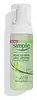 Key Ingredients
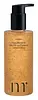
Benefits
Concerns
Ingredients Side-by-side




Water
Skin ConditioningGlycerin
Humectant


Lauryl Glucoside
CleansingAcrylates Copolymer
Decyl Glucoside
Cleansing
Disodium Cocoamphodiacetate
CleansingPotassium Cocoyl Glycinate
Castanea Crenata Pellicle Extract
Antioxidant
Sodium Chloride
MaskingButylene Glycol
Humectant
Tromethamine
BufferingCastanea Crenata Shell Powder
Abrasive
Potassium Chloride
1,2-Hexanediol
Skin Conditioning
Coconut Acid
Cleansing
Potassium Cocoate
Emulsifying
Panthenol
Skin Conditioning

Allantoin
Skin Conditioning
Capryloyl Salicylic Acid
Exfoliating



Dipotassium Glycyrrhizate
Humectant
Boswellia Serrata Resin Extract
SmoothingDisodium EDTA
Hexylene Glycol
EmulsifyingGlyceryl Glucoside
Humectant
Ethylhexylglycerin
Skin ConditioningPropanediol
Solvent
Hydrogenated Phosphatidylcholine
Emulsifying
Caprylic/Capric Triglyceride
Masking
Centella Asiatica Extract
Cleansing

Sucrose Stearate
EmollientBenzyl Glycol
SolventHydrolyzed Glycosaminoglycans
HumectantSodium Hyaluronate
Humectant
Cetearyl Alcohol
Emollient


Sodium Hyaluronate Crosspolymer
Humectant
Hydrolyzed Hyaluronic Acid
Humectant
Hydroxypropyltrimonium Hyaluronate
Asiaticoside
Antioxidant
Madecassic Acid
Skin Conditioning
Asiatic Acid
Skin Conditioning
Madecassoside
Antioxidant
Hyaluronic Acid
Humectant
Sodium Acetylated Hyaluronate
Humectant
Parfum
Masking



Water, Glycerin, Lauryl Glucoside, Acrylates Copolymer, Decyl Glucoside, Disodium Cocoamphodiacetate, Potassium Cocoyl Glycinate, Castanea Crenata Pellicle Extract, Sodium Chloride, Butylene Glycol, Tromethamine, Castanea Crenata Shell Powder, Potassium Chloride, 1,2-Hexanediol, Coconut Acid, Potassium Cocoate, Panthenol, Allantoin, Capryloyl Salicylic Acid, Dipotassium Glycyrrhizate, Boswellia Serrata Resin Extract, Disodium EDTA, Hexylene Glycol, Glyceryl Glucoside, Ethylhexylglycerin, Propanediol, Hydrogenated Phosphatidylcholine, Caprylic/Capric Triglyceride, Centella Asiatica Extract, Sucrose Stearate, Benzyl Glycol, Hydrolyzed Glycosaminoglycans, Sodium Hyaluronate, Cetearyl Alcohol, Sodium Hyaluronate Crosspolymer, Hydrolyzed Hyaluronic Acid, Hydroxypropyltrimonium Hyaluronate, Asiaticoside, Madecassic Acid, Asiatic Acid, Madecassoside, Hyaluronic Acid, Sodium Acetylated Hyaluronate, Parfum
Ingredients Explained
These ingredients are found in both products.
Ingredients higher up in an ingredient list are typically present in a larger amount.
Allantoin is a soothing ingredient known for its protective and moisturizing properties; it's basically a quiet workhorse ingredient you can find in a huge range of cosmetics.
Though it can be derived from the comfrey plant, allantoin is produced synthetically for cosmetic products to ensure purity.
Research shows it can encourage your skin cells to turn over and renew by stimulating keratinocyte and fibroblast proliferation.
It also has mild keratolytic properties to help loosen and shed dead skin cells without being harsh.
Studies also suggest allantoin can help calm inflammation by dialing down some of the chemical signals your skin sends out when it is irritated.
This ingredient is typically used in the 0.1-0.5% range, and the FDA recognizes it as a skin protectant in OTC products up to 2%.
Overall, allantoin is a wonderful addition to most routines; it is stable across a wide pH range (~4-8), works well with other ingredients, and is considered non-sensitizing/non-irritating.
Fun fact: Allantoin is naturally occurring in comfrey root, beets, chamomile, and wheat sprouts. Our bodies even produce it as a byproduct of uric acid metabolism.
Learn more about AllantoinDisodium EDTA is a chelating agent. It grabs onto and deactivates metal ions that sneak into your products from water, packaging, or air.
This ingredient mainly works behind the scenes and helps with:
On top of that, this ingredient can counteract the effects of hard water by binding to the minerals in it.
One thing worth knowing is that Disodium EDTA has been shown to be a mild penetration enhancer. It can help other ingredients absorb into skin more effectively which can be a double-edged sword (great for actives, but can also make the active too strong if you have sensitive skin).
Clinical patch testing showed no significant skin irritation at typical use concentrations and minimal dermal absorption.
You'll most likely see this ingredient near the end of an ingredient list. It's typically found in concentrations less than 1%.
Learn more about Disodium EDTAGlycerin (or glycerol) is a compound naturally found in your skin. It's a powerhouse humectant that pulls water into the stratum corneum.
Topically, glycerin does several things at once:
Your skin makes glycerin on its own (mostly from sebaceous oil breakdown) and shuttles it to your outermost layer of skin, or your epidermis, via aquaporin-3.
Aquaporin-3 is a transporter that is essential for normal skin hydration, elasticity, and repair. Interestingly, mice lacking in AQP3 have dry and less elastic skin that can be fully corrected with glycerin.
This ingredient is non-irritating, plays well with almost every ingredient, and works across all skin types. Typical use is anywhere between 3-10% but can go up to 79% in some leave-on products.
Just know very high concentrations (>40%) can feel tacky in low humidity.
Glycerin is the name for this ingredient in American English. British English uses Glycerol/Glycerine.
Learn more about GlycerinPanthenol is a common ingredient that helps hydrate and soothe the skin. It is found naturally in our skin and hair.
There are two forms of panthenol: D and L.
D-panthenol is also known as dexpanthenol. Most cosmetics use dexpanthenol or a mixture of D and L-panthenol.
Panthenol is famous due to its ability to go deeper into the skin's layers. Using this ingredient has numerous pros (and no cons):
Like hyaluronic acid, panthenol is a humectant. Humectants are able to bind and hold large amounts of water to keep skin hydrated.
This ingredient works well for wound healing. It works by increasing tissue in the wound and helps close open wounds.
Once oxidized, panthenol converts to pantothenic acid. Panthothenic acid is found in all living cells.
This ingredient is also referred to as pro-vitamin B5.
Learn more about PanthenolPotassium Cocoyl Glycinate is an amino acid-based surfactant and cleaning agent. This ingredient can be derived from animals or plants. It may also be synthetically created from fatty acids of the coconut and glycine.
Potassium Cocoyl Glycinate is a gentle surfactant. Surfactants help gather the dirt, oil, and other pollutants from your skin to be rinsed away. It is a mild cleanser and naturally produces foam.
Chances are, you eat sodium chloride every day. Sodium Chloride is also known as table salt. This ingredient has many purposes in skincare: thickener, emulsifier, and exfoliator.
You'll most likely find this ingredient in cleansers where it is used to create a gel-like texture. As an emulsifier, it also prevents ingredients from separating.
You might see people debate whether Sodium Chloride is comedogenic, but there actually haven't been any comedogenic tests done on it. Either way, the overall formulation of a product matters a lot more than any single ingredient.
You might see this ingredient used in scrubs as a primary exfoliating ingredient.
Learn more about Sodium ChlorideWater. It's the most common cosmetic ingredient of all. You'll usually see it at the top of ingredient lists, meaning that it makes up the largest part of the product.
So why is it so popular? Water most often acts as a solvent - this means that it helps dissolve other ingredients into the formulation.
You'll also recognize water as that liquid we all need to stay alive. If you see this, drink a glass of water. Remember to stay hydrated!
Learn more about Water
