Simple Skincare Kind To Skin Hydrating Light Moisturiser Versus Avène Hydrance Light Hydrating Emulsion
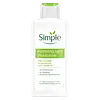
This barrier-repair moisturizer is formulated around Niacinamide and Panthenol to strengthen the skin barrier and hydrate skin.
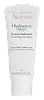
This hydrating emulsion is formulated around Squalane to hydrate skin and strengthen the skin barrier.


What's inside
What's inside
 Key Ingredients
No key ingredients
Benefits
Concerns
Ingredients Side-by-side
Water
Skin ConditioningGlycerin
Humectant


Paraffinum Liquidum
Emollient


Polyglyceryl-3 Methylglucose Distearate
Emulsifying

Niacinamide
Smoothing









Dimethicone
Emollient
Cetyl Palmitate
Emollient
Cetyl Alcohol
Emollient

Panthenol
Skin Conditioning
Phenoxyethanol
Preservative
Caprylyl Glycol
Emollient
Carbomer
Emulsion StabilisingPotassium Hydroxide
BufferingTocopheryl Acetate
Antioxidant

Acrylates/C10-30 Alkyl Acrylate Crosspolymer
Emulsion StabilisingDisodium EDTA
Pantolactone
Humectant
Borago Officinalis Seed Oil
Emollient
Potassium Carbonate
BufferingBisabolol
Antioxidant
Pentylene Glycol
Skin Conditioning
Urea
Buffering
Lactic Acid
Buffering

Sodium Lactate
Buffering
Serine
Masking
Sorbitol
Humectant
Sodium Chloride
MaskingAllantoin
Skin Conditioning
Water, Glycerin, Paraffinum Liquidum, Polyglyceryl-3 Methylglucose Distearate, Niacinamide, Dimethicone, Cetyl Palmitate, Cetyl Alcohol, Panthenol, Phenoxyethanol, Caprylyl Glycol, Carbomer, Potassium Hydroxide, Tocopheryl Acetate, Acrylates/C10-30 Alkyl Acrylate Crosspolymer, Disodium EDTA, Pantolactone, Borago Officinalis Seed Oil, Potassium Carbonate, Bisabolol, Pentylene Glycol, Urea, Lactic Acid, Sodium Lactate, Serine, Sorbitol, Sodium Chloride, Allantoin
Water
Skin ConditioningGlycerin
Humectant
Propylene Glycol Dicaprylate/Dicaprate
EmollientC14-22 Alcohols
Emulsion Stabilising
Dimethicone
Emollient
Isocetyl Stearoyl Stearate
Emollient
Triethylhexanoin
Masking1,2-Hexanediol
Skin Conditioning
Microcrystalline Cellulose
AbsorbentPotassium Cetyl Phosphate
EmulsifyingAcrylates/C10-30 Alkyl Acrylate Crosspolymer
Emulsion StabilisingBenzoic Acid
Masking
C12-20 Alkyl Glucoside
EmulsifyingParfum
Masking

Hydroxyethyl Acrylate/Sodium Acryloyldimethyl Taurate Copolymer
Emulsion StabilisingPhytosterols
Skin Conditioning
Polysorbate 60
Emulsifying
Sclerotium Gum
Emulsion StabilisingSodium Hydroxide
BufferingSorbitan Isostearate
Emulsifying
Squalane
Emollient
Water, Glycerin, Propylene Glycol Dicaprylate/Dicaprate, C14-22 Alcohols, Dimethicone, Isocetyl Stearoyl Stearate, Triethylhexanoin, 1,2-Hexanediol, Microcrystalline Cellulose, Potassium Cetyl Phosphate, Acrylates/C10-30 Alkyl Acrylate Crosspolymer, Benzoic Acid, C12-20 Alkyl Glucoside, Parfum, Hydroxyethyl Acrylate/Sodium Acryloyldimethyl Taurate Copolymer, Phytosterols, Polysorbate 60, Sclerotium Gum, Sodium Hydroxide, Sorbitan Isostearate, Squalane
Reviews
Ingredients Explained
These ingredients are found in both products.
Ingredients higher up in an ingredient list are typically present in a larger amount.
Acrylates/C10-30 Alkyl Acrylate Crosspolymer is a synthetic polymer. It is used to thicken, emulsify, and improve the texture of products.
As an emulsifier, it helps stabilize oil-in-water emulsions to give products an elegant feel when applied.
It can also form a thin protective film on skin. One study found that a formula using this polymer helped slow down how quickly other ingredients (like DEET) were absorbed through skin.
A 2024 study of over 1,300 patients confirmed that sensitization to this ingredient is rare. It is also non-mutagenic and has a clean track record.
Learn more about Acrylates/C10-30 Alkyl Acrylate CrosspolymerDimethicone is a type of synthetic silicone created from natural materials such as quartz. It is also known as polydimethylsiloxane.
What it does:
Dimethicone comes in different viscosities:
Depending on the viscosity, dimethicone has different properties.
Ingredients lists don't always show which type is used, so we recommend reaching out to the brand if you have questions about the viscosity.
This ingredient is unlikely to cause irritation because it does not get absorbed into skin. However, people with silicone allergies should be careful about using this ingredient.
Note: Dimethicone may contribute to pilling. This is because it is not oil or water soluble, so pilling may occur when layered with products. When mixed with heavy oils in a formula, the outcome is also quite greasy.
Learn more about DimethiconeGlycerin (or glycerol) is a compound naturally found in your skin. It's a powerhouse humectant that pulls water into the stratum corneum.
Topically, glycerin does several things at once:
Your skin makes glycerin on its own (mostly from sebaceous oil breakdown) and shuttles it to your outermost layer of skin, or your epidermis, via aquaporin-3.
Aquaporin-3 is a transporter that is essential for normal skin hydration, elasticity, and repair. Interestingly, mice lacking in AQP3 have dry and less elastic skin that can be fully corrected with glycerin.
This ingredient is non-irritating, plays well with almost every ingredient, and works across all skin types. Typical use is anywhere between 3-10% but can go up to 79% in some leave-on products.
Just know very high concentrations (>40%) can feel tacky in low humidity.
Glycerin is the name for this ingredient in American English. British English uses Glycerol/Glycerine.
Learn more about GlycerinWater. It's the most common cosmetic ingredient of all. You'll usually see it at the top of ingredient lists, meaning that it makes up the largest part of the product.
So why is it so popular? Water most often acts as a solvent - this means that it helps dissolve other ingredients into the formulation.
You'll also recognize water as that liquid we all need to stay alive. If you see this, drink a glass of water. Remember to stay hydrated!
Learn more about Water

