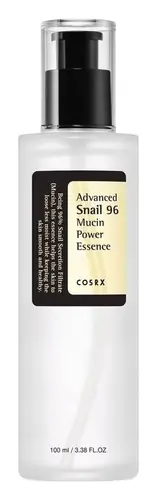
Simple Skincare Booster Serum 10% Vitamins C + E + F Versus The Outset Firming Vegan Collagen Prep Serum
This brightening serum is formulated around Sodium Ascorbyl Phosphate and Tocopheryl Acetate to brighten dull-looking skin and fade the look of dark spots.
This serum is formulated around Tetrahexyldecyl Ascorbate to brighten and minimize pores.


What's inside
What's inside
 Key Ingredients
Benefits
Concerns
Ingredients Side-by-side
Water
Skin ConditioningCannabis Sativa Seed Oil
Emollient


Propanediol
Solvent

Polyglyceryl-6 Distearate
Emulsifying
Sodium Ascorbyl Phosphate
Antioxidant







Glycerin
Humectant
Tocopheryl Acetate
Antioxidant
Tapioca Starch
Caprylyl Glycol
Emollient
Sclerotium Gum
Emulsion StabilisingCetearyl Alcohol
Emollient



Phenoxyethanol
Preservative
Polyglyceryl-10 Stearate
Skin Conditioning
Sodium Metabisulfite
Antioxidant
Citric Acid
Buffering
Sodium Hydroxide
BufferingPentaerythrityl Tetra-Di-T-Butyl Hydroxyhydrocinnamate
Antioxidant
Dilauryl Thiodipropionate
Antioxidant
Water, Cannabis Sativa Seed Oil, Propanediol, Polyglyceryl-6 Distearate, Sodium Ascorbyl Phosphate, Glycerin, Tocopheryl Acetate, Tapioca Starch, Caprylyl Glycol, Sclerotium Gum, Cetearyl Alcohol, Phenoxyethanol, Polyglyceryl-10 Stearate, Sodium Metabisulfite, Citric Acid, Sodium Hydroxide, Pentaerythrityl Tetra-Di-T-Butyl Hydroxyhydrocinnamate, Dilauryl Thiodipropionate
Water
Skin ConditioningPropanediol
Solvent
Glycerin
Humectant
Triheptanoin
Skin ConditioningCoco-Caprylate/Caprate
Emollient
Sodium Polyacryloyldimethyl Taurate
Emulsion StabilisingCapryloyl Glycerin/Sebacic Acid Copolymer
Skin ConditioningCassia Angustifolia Seed Polysaccharide
Skin ConditioningHelianthus Annuus Seed Oil
Emollient
Heterotheca Inuloides Flower Extract
MaskingChenopodium Quinoa Seed Extract
Skin Conditioning
Poncirus Trifoliata Fruit Extract
Skin ConditioningHydrolyzed Brassica Napus Seedcake Extract
Skin ConditioningSr-Hydrozoan Polypeptide-1
Humectant
Castor Oil/Ipdi Copolymer
Diheptyl Succinate
EmollientPhenoxyethanol
Preservative
Dilinoleic Acid/Butanediol Copolymer
Caprylyl Glycol
Emollient
Hydrolyzed Jojoba Esters
Skin Conditioning
Lysolecithin
EmulsifyingSclerotium Gum
Emulsion StabilisingTetrahexyldecyl Ascorbate
Antioxidant
Tocopheryl Acetate
Antioxidant
Tetrasodium Glutamate Diacetate
ChelatingPullulan
Xanthan Gum
EmulsifyingJojoba Esters
Emollient
Silica
Abrasive

Citric Acid
Buffering
Sodium Benzoate
Masking
Sodium Formate
Buffering
Sodium Glycolate
BufferingSodium Hydroxide
BufferingSodium PCA
Humectant
Potassium Hydroxide
BufferingPotassium Sorbate
Preservative
Water, Propanediol, Glycerin, Triheptanoin, Coco-Caprylate/Caprate, Sodium Polyacryloyldimethyl Taurate, Capryloyl Glycerin/Sebacic Acid Copolymer, Cassia Angustifolia Seed Polysaccharide, Helianthus Annuus Seed Oil, Heterotheca Inuloides Flower Extract, Chenopodium Quinoa Seed Extract, Poncirus Trifoliata Fruit Extract, Hydrolyzed Brassica Napus Seedcake Extract, Sr-Hydrozoan Polypeptide-1, Castor Oil/Ipdi Copolymer, Diheptyl Succinate, Phenoxyethanol, Dilinoleic Acid/Butanediol Copolymer, Caprylyl Glycol, Hydrolyzed Jojoba Esters, Lysolecithin, Sclerotium Gum, Tetrahexyldecyl Ascorbate, Tocopheryl Acetate, Tetrasodium Glutamate Diacetate, Pullulan, Xanthan Gum, Jojoba Esters, Silica, Citric Acid, Sodium Benzoate, Sodium Formate, Sodium Glycolate, Sodium Hydroxide, Sodium PCA, Potassium Hydroxide, Potassium Sorbate
Reviews
Ingredients Explained
These ingredients are found in both products.
Ingredients higher up in an ingredient list are typically present in a larger amount.
Caprylyl Glycol is a humectant, skin conditioner, emollient, and preservative booster derived from either caprylic acid or synthetically created.
Typical use levels vary from 0.3-1% as a preservative booster and go up to 2% to condition skin.
Because it is not a free-fatty acid, this ingredient is fungal acne safe (there's nothing for Malassezia to feed on).
Learn more about Caprylyl GlycolCitric Acid is an alpha hydroxy acid (AHA) naturally found in citrus fruits like oranges, lemons, and limes.
Like other AHAs, citric acid can exfoliate skin by breaking down the bonds that hold dead skin cells together. This helps reveal smoother and brighter skin underneath.
However, this exfoliating effect only happens at high concentrations (20%) which can be hard to find in cosmetic products.
Due to this, citric acid is usually included in small amounts as a pH adjuster. This helps keep products slightly more acidic and compatible with skin's natural pH.
In skincare formulas, citric acid can:
While it can provide some skin benefits, research shows lactic acid and glycolic acid are generally more effective and less irritating exfoliants.
Most citric acid used in skincare today is made by fermenting sugars (usually from molasses). This synthetic version is identical to the natural citrus form but easier to stabilize and use in formulations.
Rosacea skin has a lower threshold for acids generally, with 62.5% of rosacea subjects in one study reacting to lactic acid in a sting test. This is why we mark citric acid as a potential rosacea trigger.
However, this ingredient shows up as a pH adjuster or chelator at roughly 0.1-1% in many products. These low levels are unlikely to be an issue for rosacea skin and becomes a potential trigger at exfoliating concentrations (20%). Because everybody's skin is unique, we recommend a patch test if you are unsure.
Learn more about Citric AcidGlycerin (or glycerol) is a compound naturally found in your skin. It's a powerhouse humectant that pulls water into the stratum corneum.
Topically, glycerin does several things at once:
Your skin makes glycerin on its own (mostly from sebaceous oil breakdown) and shuttles it to your outermost layer of skin, or your epidermis, via aquaporin-3.
Aquaporin-3 is a transporter that is essential for normal skin hydration, elasticity, and repair. Interestingly, mice lacking in AQP3 have dry and less elastic skin that can be fully corrected with glycerin.
This ingredient is non-irritating, plays well with almost every ingredient, and works across all skin types. Typical use is anywhere between 3-10% but can go up to 79% in some leave-on products.
Just know very high concentrations (>40%) can feel tacky in low humidity.
Glycerin is the name for this ingredient in American English. British English uses Glycerol/Glycerine.
Learn more about GlycerinPhenoxyethanol is one of the most widely used preservatives in skincare (and for good reason!).
It has a large spectrum of antimicrobial activity and especially effective bacteria, yeast, and mold while only having a weak effect on your skin's natural microbiome.
On a cellular level, it disrupts the cell membranes of microbes by poking holes that make the cell leak. This shuts down the chemical reactions the microbe needs to make energy so it can no longer survive.
Another perk of this ingredient is that it stays functional across a wide pH range (3-10).
You'll often see it paired with boosters like Ethylhexylglycerin; one study showed that a 1:9 ratio of Ethylhexylglycerin to Phenoxyethanol damages bacterial membranes as effectively as doubling the Phenoxyethanol concentration on its own.
Typical use concentrations range from 0.3-1% depending on the formula, and this ingredient is capped at 1% int the EU.
Safety-wise, the fear mongering does not hold up to the evidence. The EU's Scientific Committee on Consumer Safety and FDA consider it safe as a preservative at up to 1%, including for children of all ages.
Adverse systemic effects only showed up in animal studies at exposures roughly 200x higher than what people get from cosmetics. And despite its very widespread use, this ingredient is a rare sensitizer and allergic reactions are uncommon.
Learn more about PhenoxyethanolPropanediol is an all-star ingredient. It softens, hydrates, and smooths the skin.
It’s often used to:
Propanediol is not likely to cause sensitivity and considered safe to use. It is derived from corn or petroleum with a clear color and no scent.
Learn more about PropanediolSclerotium Gum is a natural sugar-based fiber made by fermenting a fungus called Sclerotium rolfsii. It's often used as the plant-friendly alternative for synthetic thickeners like carbomer.
In skincare, it works as a thickener, gel former, and stabilizer that keeps heavy ingredients suspended so a product does not separate.
It is non-ionic and forms a triple helix in solution. This is just a fancy way of saying it builds a smooth, cushiony, and non-sticky gel that feels silkier than many other gums.
Another perk of this ingredient is that it is very sturdy and holds up across a wide pH range (~2-11). It's also good at resisting heat and hydrolysis.
Since it holds water at the skin surface, it can provide some light hydration as well.
Typical use levels are around 0.25-2%; formulators usually use 0.2-0.5% to thicken lotions and up to 2% for a firmer gel base.
This ingredient has been found safe in cosmetics with no meaningful evidence of skin sensitization.
Learn more about Sclerotium GumSodium Hydroxide is also known as lye or caustic soda. It is used to adjust the pH of products; many ingredients require a specific pH to be effective.
In small amounts, sodium hydroxide is considered safe to use. However, large amounts may cause chemical burns due to its high alkaline.
Your skin has a natural pH and acid mantle. This acid mantle helps prevent harmful bacteria from breaking through. The acid mantle also helps keep your skin hydrated.
"Alkaline" refers to a high pH level. A low pH level would be considered acidic.
Learn more about Sodium HydroxideTocopheryl Acetate is a stable, shelf-friendly form of vitamin E.
Formulators love it because plain vitamin E oxidizes quickly once it hits air. This acetate version stays stable and resists going off, helping to extend a product's shelf life.
It's actually inactive on its own and works like a slow-release "storage" form; the enzymes in your skin called esterases gradually convert it into active vitamin E over time.
One in vivo study showed 5% of the acetate in the living layer of the epidermis converted to vitamin E after 5 days of application. This study also found the skin gained protection against UV damage even though the conversion was slow and small.
Once converted, vitamin E acts as a skin's main fat-soluble antioxidant that fights free radicals to protect skin from damage.
Topical vitamin E generally boosts the skin's photoprotection, and it reduced UV-damage in animal models.
This ingredient has some brightening potential but it's more of a prevention ingredient than spot-fader. Cell studies show it can slow down melanin production but it's worth noting that it's not the most powerful brightener out there.
Overall, it has a pretty solid safety profile and has been found to be non-irritating and non-comedogenic. Allergic reactions may happen but stay rare due to how widely the ingredient gets used.
The concentration will vary depending on the formula; industry data shows 0.1% in baby lotions, 3% in lipsticks, and 5% in foot powders. You can also find this ingredient at 100% in a pure vitamin E oil.
Most leave-on skincare keeps it at the lower end, often between 0.5-1%.
Learn more about Tocopheryl AcetateWater. It's the most common cosmetic ingredient of all. You'll usually see it at the top of ingredient lists, meaning that it makes up the largest part of the product.
So why is it so popular? Water most often acts as a solvent - this means that it helps dissolve other ingredients into the formulation.
You'll also recognize water as that liquid we all need to stay alive. If you see this, drink a glass of water. Remember to stay hydrated!
Learn more about Water