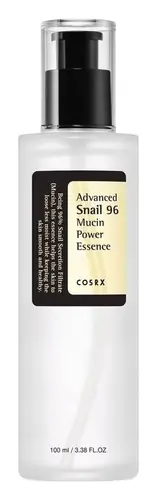
This calming toner is formulated around Tranexamic Acid and Dipotassium Glycyrrhizate to calm redness.
This hydrating toner is formulated around Sodium Hyaluronate to hydrate skin and strengthen the skin barrier.

What's inside
What's inside
 Key Ingredients
Benefits
Concerns
No concerns
Ingredients Side-by-side
Water
Skin ConditioningGlycerin
Humectant


Dipropylene Glycol
HumectantButylene Glycol
Humectant
Tranexamic Acid
Astringent




Erythritol
Humectant
Trehalose
Humectant
Xylitol
Humectant
PEG/PPG-17/4 Dimethyl Ether
Skin ConditioningPhenoxyethanol
Preservative
Methyl Gluceth-10
EmulsifyingPolyglyceryl-2 Diisostearate
Emulsifying

PEG-60 Hydrogenated Castor Oil
Emulsifying
Triethylhexanoin
MaskingHydroxyethylcellulose
Emulsion StabilisingCitric Acid
Buffering
Xanthan Gum
EmulsifyingDipotassium Glycyrrhizate
Humectant
Sodium Citrate
BufferingSodium Metaphosphate
BufferingSodium Metabisulfite
Antioxidant
Saccharomyces Ferment Lysate Filtrate
Skin Conditioning
PEG/PPG-14/7 Dimethyl Ether
Skin ConditioningSodium Acetylated Hyaluronate
Humectant
Artemisia Princeps Leaf Extract
Skin ConditioningTocopherol
Antioxidant
Petrolatum
Emollient

Water, Glycerin, Dipropylene Glycol, Butylene Glycol, Tranexamic Acid, Erythritol, Trehalose, Xylitol, PEG/PPG-17/4 Dimethyl Ether, Phenoxyethanol, Methyl Gluceth-10, Polyglyceryl-2 Diisostearate, PEG-60 Hydrogenated Castor Oil, Triethylhexanoin, Hydroxyethylcellulose, Citric Acid, Xanthan Gum, Dipotassium Glycyrrhizate, Sodium Citrate, Sodium Metaphosphate, Sodium Metabisulfite, Saccharomyces Ferment Lysate Filtrate, PEG/PPG-14/7 Dimethyl Ether, Sodium Acetylated Hyaluronate, Artemisia Princeps Leaf Extract, Tocopherol, Petrolatum
Water
Skin ConditioningButylene Glycol
Humectant
Hydroxyethyl Urea
Humectant
Pentylene Glycol
Skin Conditioning
PPG-10 Methyl Glucose Ether
Skin ConditioningDipropylene Glycol
HumectantDiglycerin
Humectant
Aphanothece Sacrum Exopolysaccharides
AbsorbentCaprylhydroxamic Acid
ChelatingCarbomer
Emulsion StabilisingDiethoxyethyl Succinate
SolventDisodium EDTA
ChelatingDisodium Succinate
MaskingGlycosyl Trehalose
Emulsion StabilisingHydrogenated Starch Hydrolysate
HumectantHydrolyzed Hyaluronic Acid
Humectant
Hydrolyzed Sodium Hyaluronate
Skin Conditioning
Hydroxyethylcellulose
Emulsion StabilisingHydroxypropyltrimonium Hyaluronate
Lactococcus/Hyaluronic Acid Ferment Filtrate
PEG-32
HumectantPEG-75
HumectantPhenoxyethanol
Preservative
Polyquaternium-51
Skin Conditioning
Potassium Hydroxide
BufferingPropanediol
Solvent
Sodium Acetylated Hyaluronate
Humectant
Sodium Hyaluronate
Humectant
Sodium Hyaluronate Crosspolymer
Humectant
Sorbitol
Humectant
Succinic Acid
BufferingTriethyl Citrate
Masking

Xanthan Gum
EmulsifyingWater, Butylene Glycol, Hydroxyethyl Urea, Pentylene Glycol, PPG-10 Methyl Glucose Ether, Dipropylene Glycol, Diglycerin, Aphanothece Sacrum Exopolysaccharides, Caprylhydroxamic Acid, Carbomer, Diethoxyethyl Succinate, Disodium EDTA, Disodium Succinate, Glycosyl Trehalose, Hydrogenated Starch Hydrolysate, Hydrolyzed Hyaluronic Acid, Hydrolyzed Sodium Hyaluronate, Hydroxyethylcellulose, Hydroxypropyltrimonium Hyaluronate, Lactococcus/Hyaluronic Acid Ferment Filtrate, PEG-32, PEG-75, Phenoxyethanol, Polyquaternium-51, Potassium Hydroxide, Propanediol, Sodium Acetylated Hyaluronate, Sodium Hyaluronate, Sodium Hyaluronate Crosspolymer, Sorbitol, Succinic Acid, Triethyl Citrate, Xanthan Gum
Reviews
Ingredients Explained
These ingredients are found in both products.
Ingredients higher up in an ingredient list are typically present in a larger amount.
Butylene Glycol (or BG) is used within cosmetic products for a few different reasons:
Overall, Butylene Glycol is a safe and well-rounded ingredient that works well with other ingredients.
Though this ingredient works well with most skin types, some people with sensitive skin may experience a reaction such as allergic rashes, closed comedones, or itchiness.
Learn more about Butylene GlycolDipropylene Glycol is a synthetically created humectant, stabilizer, and solvent.
This ingredient helps:
Dipropylene glycol is technically an alcohol, but it belongs to the glycol family (often considered part of the ‘good’ alcohols). This means it is hydrating and gentle on skin unlike drying solvent alcohols like denatured alcohol.
As a masking agent, Dipropylene Glycol can be used to cover the smell of other ingredients. However, it does not have a scent.
Studies show Dipropylene Glycol is considered safe to use in skincare.
Learn more about Dipropylene GlycolHydroxyethylcellulose is used to improve the texture of products. It is created from a chemical reaction involving ethylene oxide and alkali-cellulose. Cellulose is a sugar found in plant cell walls and help give plants structure.
This ingredient helps stabilize products by preventing ingredients from separating. It can also help thicken the texture of a product.
This ingredient can also be found in pill medicines to help our bodies digest other ingredients.
Learn more about HydroxyethylcellulosePhenoxyethanol is one of the most widely used preservatives in skincare (and for good reason!).
It has a large spectrum of antimicrobial activity and especially effective bacteria, yeast, and mold while only having a weak effect on your skin's natural microbiome.
On a cellular level, it disrupts the cell membranes of microbes by poking holes that make the cell leak. This shuts down the chemical reactions the microbe needs to make energy so it can no longer survive.
Another perk of this ingredient is that it stays functional across a wide pH range (3-10).
You'll often see it paired with boosters like Ethylhexylglycerin; one study showed that a 1:9 ratio of Ethylhexylglycerin to Phenoxyethanol damages bacterial membranes as effectively as doubling the Phenoxyethanol concentration on its own.
Typical use concentrations range from 0.3-1% depending on the formula, and this ingredient is capped at 1% int the EU.
Safety-wise, the fear mongering does not hold up to the evidence. The EU's Scientific Committee on Consumer Safety and FDA consider it safe as a preservative at up to 1%, including for children of all ages.
Adverse systemic effects only showed up in animal studies at exposures roughly 200x higher than what people get from cosmetics. And despite its very widespread use, this ingredient is a rare sensitizer and allergic reactions are uncommon.
Learn more about PhenoxyethanolSodium Acetylated Hyaluronate is a type of Hyaluronic Acid.
Hyaluronic Acids help moisturize, soothe, and protect the skin.
Read about common types of Hyaluronic Acid here:
Learn more about Sodium Acetylated HyaluronateWater. It's the most common cosmetic ingredient of all. You'll usually see it at the top of ingredient lists, meaning that it makes up the largest part of the product.
So why is it so popular? Water most often acts as a solvent - this means that it helps dissolve other ingredients into the formulation.
You'll also recognize water as that liquid we all need to stay alive. If you see this, drink a glass of water. Remember to stay hydrated!
Learn more about WaterXanthan gum is used as a stabilizer and thickener within cosmetic products. It helps give products a sticky, thick feeling - preventing them from being too runny.
On the technical side of things, xanthan gum is a polysaccharide - a combination consisting of multiple sugar molecules bonded together.
Xanthan gum is a pretty common and great ingredient. It is a natural, non-toxic, non-irritating ingredient that is also commonly used in food products.
Learn more about Xanthan Gum