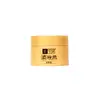
This barrier-repair moisturizer is formulated around Sodium Hyaluronate and Glucosyl Ceramide to strengthen the skin barrier and hydrate skin.
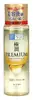
This hydrating toner is formulated around Sodium Hyaluronate to hydrate skin and strengthen the skin barrier.

What's inside
What's inside
 Key Ingredients
Benefits
Concerns
No concerns
Ingredients Side-by-side
Sodium Hyaluronate
Humectant




Hydroxypropyltrimonium Hyaluronate
Glucosyl Ceramide
Skin Conditioning

Alpha-Glucan
HumectantSqualane
Emollient
Aphanothece Sacrum Exopolysaccharides
AbsorbentHydrolyzed Collagen
Emollient
Sodium Acetylated Hyaluronate
Humectant
Hydrolyzed Hyaluronic Acid
Humectant
Water
Skin ConditioningButylene Glycol
Humectant
Glycerin
Humectant
Hydroxyethyl Urea
Humectant
Pentylene Glycol
Skin Conditioning
Triethylhexanoin
MaskingPPG-10 Methyl Glucose Ether
Skin ConditioningAmmonium Acryloyldimethyltaurate/Vp Copolymer
Behenyl Alcohol
Emollient
Dimethicone
Emollient
Triethyl Citrate
Masking

PPG-17-Buteth-17
Skin ConditioningCyclopentasiloxane
Emollient
Phenoxyethanol
Preservative
Disodium Succinate
MaskingMethylparaben
Preservative


Dimethicone Crosspolymer
Emulsion Stabilising
Succinic Acid
BufferingAgar
MaskingDisodium EDTA
ChelatingAmmonium Acrylates Copolymer
Sodium Hyaluronate, Hydroxypropyltrimonium Hyaluronate, Glucosyl Ceramide, Alpha-Glucan, Squalane, Aphanothece Sacrum Exopolysaccharides, Hydrolyzed Collagen, Sodium Acetylated Hyaluronate, Hydrolyzed Hyaluronic Acid, Water, Butylene Glycol, Glycerin, Hydroxyethyl Urea, Pentylene Glycol, Triethylhexanoin, PPG-10 Methyl Glucose Ether, Ammonium Acryloyldimethyltaurate/Vp Copolymer, Behenyl Alcohol, Dimethicone, Triethyl Citrate, PPG-17-Buteth-17, Cyclopentasiloxane, Phenoxyethanol, Disodium Succinate, Methylparaben, Dimethicone Crosspolymer, Succinic Acid, Agar, Disodium EDTA, Ammonium Acrylates Copolymer
Water
Skin ConditioningButylene Glycol
Humectant
Hydroxyethyl Urea
Humectant
Pentylene Glycol
Skin Conditioning
PPG-10 Methyl Glucose Ether
Skin ConditioningDipropylene Glycol
HumectantDiglycerin
Humectant
Aphanothece Sacrum Exopolysaccharides
AbsorbentCaprylhydroxamic Acid
ChelatingCarbomer
Emulsion StabilisingDiethoxyethyl Succinate
SolventDisodium EDTA
ChelatingDisodium Succinate
MaskingGlycosyl Trehalose
Emulsion StabilisingHydrogenated Starch Hydrolysate
HumectantHydrolyzed Hyaluronic Acid
Humectant
Hydrolyzed Sodium Hyaluronate
Skin Conditioning
Hydroxyethylcellulose
Emulsion StabilisingHydroxypropyltrimonium Hyaluronate
Lactococcus/Hyaluronic Acid Ferment Filtrate
PEG-32
HumectantPEG-75
HumectantPhenoxyethanol
Preservative
Polyquaternium-51
Skin Conditioning
Potassium Hydroxide
BufferingPropanediol
Solvent
Sodium Acetylated Hyaluronate
Humectant
Sodium Hyaluronate
Humectant
Sodium Hyaluronate Crosspolymer
Humectant
Sorbitol
Humectant
Succinic Acid
BufferingTriethyl Citrate
Masking
Xanthan Gum
EmulsifyingWater, Butylene Glycol, Hydroxyethyl Urea, Pentylene Glycol, PPG-10 Methyl Glucose Ether, Dipropylene Glycol, Diglycerin, Aphanothece Sacrum Exopolysaccharides, Caprylhydroxamic Acid, Carbomer, Diethoxyethyl Succinate, Disodium EDTA, Disodium Succinate, Glycosyl Trehalose, Hydrogenated Starch Hydrolysate, Hydrolyzed Hyaluronic Acid, Hydrolyzed Sodium Hyaluronate, Hydroxyethylcellulose, Hydroxypropyltrimonium Hyaluronate, Lactococcus/Hyaluronic Acid Ferment Filtrate, PEG-32, PEG-75, Phenoxyethanol, Polyquaternium-51, Potassium Hydroxide, Propanediol, Sodium Acetylated Hyaluronate, Sodium Hyaluronate, Sodium Hyaluronate Crosspolymer, Sorbitol, Succinic Acid, Triethyl Citrate, Xanthan Gum
Reviews
Ingredients Explained
These ingredients are found in both products.
Ingredients higher up in an ingredient list are typically present in a larger amount.
We don't have a description for Aphanothece Sacrum Exopolysaccharides yet.
Butylene Glycol (or BG) is used within cosmetic products for a few different reasons:
Overall, Butylene Glycol is a safe and well-rounded ingredient that works well with other ingredients.
Though this ingredient works well with most skin types, some people with sensitive skin may experience a reaction such as allergic rashes, closed comedones, or itchiness.
Learn more about Butylene GlycolDisodium EDTA is a chelating agent. It grabs onto and deactivates metal ions that sneak into your products from water, packaging, or air.
This ingredient mainly works behind the scenes and helps with:
On top of that, this ingredient can counteract the effects of hard water by binding to the minerals in it.
One thing worth knowing is that Disodium EDTA has been shown to be a mild penetration enhancer. It can help other ingredients absorb into skin more effectively which can be a double-edged sword (great for actives, but can also make the active too strong if you have sensitive skin).
Clinical patch testing showed no significant skin irritation at typical use concentrations and minimal dermal absorption.
You'll most likely see this ingredient near the end of an ingredient list. It's typically found in concentrations less than 1%.
Learn more about Disodium EDTAWe don't have a description for Disodium Succinate yet.
Hydrolyzed Hyaluronic Acid is hyaluronic acid (HA) that is broken down into lower molecular weight fragments.
It's a humectant that pulls and holds water in the skin to help with hydration, plumpness, and reduce transepidermal water loss.
Because hydrolyzed hyaluronic acid is smaller in size, it can slip past your outermost layer of skin more easily than full-sized HA.
Most formulations will combine all sizes to get the best of both worlds.
Typical usage levels range from 0.01-1%. Any percentage higher than 2% might become goopy and tacky.
Learn more about Hydrolyzed Hyaluronic AcidHydroxypropyltrimonium Hyaluronate is a positively charged version of hyaluronic acid.
This small change does a lot in a formula:
Regular hyaluronic acid carries a negative charge and so does the surface of your skin. This means the two repel each other and hyaluronic acid can be washed away easily. The positive charge here does the opposite: it makes the ingredient cling to your skin (also called "substantivity") so it keeps hydrating even in rinse-off products where it lays down a light, moisture-holding film.
The research backs this up too; a 2025 clinical study on a shower gel containing 0.1% positively charged hyaluronic acid increased skin hydration by 6.6% versus the baseline and 11.1% versus the placebo. This was measured 6 hours after 1 minute of contact and rinse, and on volunteers with very dry skin.
The same team's lab work showed it adhered to skin far better than unmodified hyaluronic acid (+107% vs. low molecular weight, +23% versus high molecular weight). They also found it increased two proteins tied to skin hydration, aquaporin-3 by 16% and filaggrin by 35%.
A separate 2024 study reached a similar conclusion and credited the hydrating benefits to its film-forming properties.
Both studies used the ingredient at 0.1% which also matches how much it usually shows up in products (at fractions of a percent).
One honesty note worth keeping in mind: the published research comes from the company that manufactures the ingredient so independent data would strengthen the picture. However, the results are consistent and the mechanism makes sense.
As a Hyaluronic Acid derivative, it has a well-tolerated profile and suits most skin types.
Learn more about Hydroxypropyltrimonium HyaluronatePentylene Glycol (1,2-pentanediol) is a multitasking little diol with three main roles in a formula:
Research on alkanediols (the family pentylene glycol belongs to) show they work by disrupting microbial cell membranes. This disruption helps the primary preservative system in a product work more effectively at lower doses.
On the safety side, the Cosmetic Ingredient Review Expert Panel has concluded this ingredient to be safe as used in current cosmetic practices + concentrations.
Typical use levels in a formula run about 1-5%.
Learn more about Pentylene GlycolPhenoxyethanol is one of the most widely used preservatives in skincare (and for good reason!).
It has a large spectrum of antimicrobial activity and especially effective bacteria, yeast, and mold while only having a weak effect on your skin's natural microbiome.
On a cellular level, it disrupts the cell membranes of microbes by poking holes that make the cell leak. This shuts down the chemical reactions the microbe needs to make energy so it can no longer survive.
Another perk of this ingredient is that it stays functional across a wide pH range (3-10).
You'll often see it paired with boosters like Ethylhexylglycerin; one study showed that a 1:9 ratio of Ethylhexylglycerin to Phenoxyethanol damages bacterial membranes as effectively as doubling the Phenoxyethanol concentration on its own.
Typical use concentrations range from 0.3-1% depending on the formula, and this ingredient is capped at 1% int the EU.
Safety-wise, the fear mongering does not hold up to the evidence. The EU's Scientific Committee on Consumer Safety and FDA consider it safe as a preservative at up to 1%, including for children of all ages.
Adverse systemic effects only showed up in animal studies at exposures roughly 200x higher than what people get from cosmetics. And despite its very widespread use, this ingredient is a rare sensitizer and allergic reactions are uncommon.
Learn more about PhenoxyethanolWe don't have a description for PPG-10 Methyl Glucose Ether yet.
Sodium Acetylated Hyaluronate is a type of Hyaluronic Acid.
Hyaluronic Acids help moisturize, soothe, and protect the skin.
Read about common types of Hyaluronic Acid here:
Learn more about Sodium Acetylated HyaluronateSodium Hyaluronate is the salt form of hyaluronic acid. It is a long sugar chain that is naturally found in your skin, joints, and connective tissue that maintains hydration and elasticity.
In skincare, it works as a humectant. It pulls water from the environment and deeper layers of skin and binds it to the surface.
Interestingly, the size of the molecule affects its behavior:
Some clinical evidence links low molecular weight versions to improved wrinkle depth, elasticity, anti-inflammatory effects, and barrier repair.
Many serums use a blend of both weights so you can get surface hydration plus longer-lasting and deeper effects.
You'll typically see concentrations between 0.1-2% for this ingredient.
Learn more about Sodium HyaluronateSuccinic acid is an odorless white powder. It is naturally found in our bodies but can also be derived from living organisms.
Succinic acid is water-soluble. The pH level of this ingredient is between 4.2 and 5.6.
While succinic acid posesses antimicrobial, antioxidant, and anti-inflammatory properties, these properties have not been studied in skincare products.
Fun fact: Succinic acid was known as the 'spirit of amber' in the past. This is because it used to be derived from distilling amber.
Learn more about Succinic AcidTriethyl Citrate comes from citric acid. It has masking, perfuming, and solvent properties. As a solvent, this ingredient helps disperse ingredients evenly in skincare.
One manufacturer claims this ingredient can:
According to perfume manufacturers, this ingredient is almost odorless but has a mild fruity, wine and plum scent. It can be used to mask the scent of other ingredients.
This ingredient can be plant-sourced or synthetic; it can naturally be found in cabbage and white wine.
Learn more about Triethyl CitrateWater. It's the most common cosmetic ingredient of all. You'll usually see it at the top of ingredient lists, meaning that it makes up the largest part of the product.
So why is it so popular? Water most often acts as a solvent - this means that it helps dissolve other ingredients into the formulation.
You'll also recognize water as that liquid we all need to stay alive. If you see this, drink a glass of water. Remember to stay hydrated!
Learn more about Water



