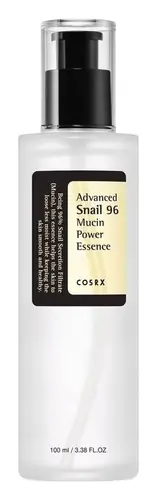
This oil-based makeup remover is made to dissolve makeup, sunscreen, and daily buildup.
This hydrating toner is formulated around Sodium Hyaluronate to hydrate skin and strengthen the skin barrier.

What's inside
What's inside
 Key Ingredients
Benefits
Concerns
No concerns
Ingredients Side-by-side
Ethylhexyl Palmitate
Emollient




Sorbeth-30 Tetraisostearate
Emulsifying
Olea Europaea Fruit Oil
Masking


Water
Skin ConditioningPEG-20 Glyceryl Triisostearate
Emollient
Caprylyl Methicone
Skin Conditioning
Dextrin Palmitate/Ethylhexanoate
Emulsifying
Caprylic/Capric Triglyceride
Masking

BHT
Antioxidant
Macadamia Ternifolia Seed Oil
Emollient
Pentaerythrityl Tetra-Di-T-Butyl Hydroxyhydrocinnamate
Antioxidant
Tocopherol
Antioxidant




Benzotriazolyl Dodecyl P-Cresol
UV AbsorberSimmondsia Chinensis Seed Oil
Emollient
Rosa Canina Fruit Oil
Emollient
Moringa Oil/Hydrogenated Moringa Oil Esters
Skin Conditioning
Hydroxypropyltrimonium Hyaluronate
Sodium Acetylated Hyaluronate
Humectant
Methylparaben
Preservative


Ascorbyl Dipalmitate
Antioxidant
Ethylhexyl Palmitate, Sorbeth-30 Tetraisostearate, Olea Europaea Fruit Oil, Water, PEG-20 Glyceryl Triisostearate, Caprylyl Methicone, Dextrin Palmitate/Ethylhexanoate, Caprylic/Capric Triglyceride, BHT, Macadamia Ternifolia Seed Oil, Pentaerythrityl Tetra-Di-T-Butyl Hydroxyhydrocinnamate, Tocopherol, Benzotriazolyl Dodecyl P-Cresol, Simmondsia Chinensis Seed Oil, Rosa Canina Fruit Oil, Moringa Oil/Hydrogenated Moringa Oil Esters, Hydroxypropyltrimonium Hyaluronate, Sodium Acetylated Hyaluronate, Methylparaben, Ascorbyl Dipalmitate
Water
Skin ConditioningButylene Glycol
Humectant
Hydroxyethyl Urea
Humectant
Pentylene Glycol
Skin Conditioning
PPG-10 Methyl Glucose Ether
Skin ConditioningDipropylene Glycol
HumectantDiglycerin
Humectant
Aphanothece Sacrum Exopolysaccharides
AbsorbentCaprylhydroxamic Acid
ChelatingCarbomer
Emulsion StabilisingDiethoxyethyl Succinate
SolventDisodium EDTA
ChelatingDisodium Succinate
MaskingGlycosyl Trehalose
Emulsion StabilisingHydrogenated Starch Hydrolysate
HumectantHydrolyzed Hyaluronic Acid
Humectant
Hydrolyzed Sodium Hyaluronate
Skin Conditioning
Hydroxyethylcellulose
Emulsion StabilisingHydroxypropyltrimonium Hyaluronate
Lactococcus/Hyaluronic Acid Ferment Filtrate
PEG-32
HumectantPEG-75
HumectantPhenoxyethanol
Preservative
Polyquaternium-51
Skin Conditioning
Potassium Hydroxide
BufferingPropanediol
Solvent
Sodium Acetylated Hyaluronate
Humectant
Sodium Hyaluronate
Humectant
Sodium Hyaluronate Crosspolymer
Humectant
Sorbitol
Humectant
Succinic Acid
BufferingTriethyl Citrate
Masking
Xanthan Gum
EmulsifyingWater, Butylene Glycol, Hydroxyethyl Urea, Pentylene Glycol, PPG-10 Methyl Glucose Ether, Dipropylene Glycol, Diglycerin, Aphanothece Sacrum Exopolysaccharides, Caprylhydroxamic Acid, Carbomer, Diethoxyethyl Succinate, Disodium EDTA, Disodium Succinate, Glycosyl Trehalose, Hydrogenated Starch Hydrolysate, Hydrolyzed Hyaluronic Acid, Hydrolyzed Sodium Hyaluronate, Hydroxyethylcellulose, Hydroxypropyltrimonium Hyaluronate, Lactococcus/Hyaluronic Acid Ferment Filtrate, PEG-32, PEG-75, Phenoxyethanol, Polyquaternium-51, Potassium Hydroxide, Propanediol, Sodium Acetylated Hyaluronate, Sodium Hyaluronate, Sodium Hyaluronate Crosspolymer, Sorbitol, Succinic Acid, Triethyl Citrate, Xanthan Gum
Reviews
Ingredients Explained
These ingredients are found in both products.
Ingredients higher up in an ingredient list are typically present in a larger amount.
Hydroxypropyltrimonium Hyaluronate is a positively charged version of hyaluronic acid.
This small change does a lot in a formula:
Regular hyaluronic acid carries a negative charge and so does the surface of your skin. This means the two repel each other and hyaluronic acid can be washed away easily. The positive charge here does the opposite: it makes the ingredient cling to your skin (also called "substantivity") so it keeps hydrating even in rinse-off products where it lays down a light, moisture-holding film.
The research backs this up too; a 2025 clinical study on a shower gel containing 0.1% positively charged hyaluronic acid increased skin hydration by 6.6% versus the baseline and 11.1% versus the placebo. This was measured 6 hours after 1 minute of contact and rinse, and on volunteers with very dry skin.
The same team's lab work showed it adhered to skin far better than unmodified hyaluronic acid (+107% vs. low molecular weight, +23% versus high molecular weight). They also found it increased two proteins tied to skin hydration, aquaporin-3 by 16% and filaggrin by 35%.
A separate 2024 study reached a similar conclusion and credited the hydrating benefits to its film-forming properties.
Both studies used the ingredient at 0.1% which also matches how much it usually shows up in products (at fractions of a percent).
One honesty note worth keeping in mind: the published research comes from the company that manufactures the ingredient so independent data would strengthen the picture. However, the results are consistent and the mechanism makes sense.
As a Hyaluronic Acid derivative, it has a well-tolerated profile and suits most skin types.
Learn more about Hydroxypropyltrimonium HyaluronateSodium Acetylated Hyaluronate is a type of Hyaluronic Acid.
Hyaluronic Acids help moisturize, soothe, and protect the skin.
Read about common types of Hyaluronic Acid here:
Learn more about Sodium Acetylated HyaluronateWater. It's the most common cosmetic ingredient of all. You'll usually see it at the top of ingredient lists, meaning that it makes up the largest part of the product.
So why is it so popular? Water most often acts as a solvent - this means that it helps dissolve other ingredients into the formulation.
You'll also recognize water as that liquid we all need to stay alive. If you see this, drink a glass of water. Remember to stay hydrated!
Learn more about Water