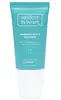
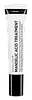
Selfless by Hyram Mandelic Acid & Rice Bran Gentle Exfoliating Serum Versus The INKEY List Mandelic Acid Treatment


What's inside
What's inside
 Key Ingredients
Benefits
Concerns
Ingredients Side-by-side
Water
Skin ConditioningPropanediol
Solvent

Mandelic Acid
Antimicrobial










Annona Cherimola Fruit Extract
Skin ConditioningGluconolactone
Skin Conditioning
Sodium Hydroxide
BufferingMaltodextrin
Absorbent
Phenoxyethanol
Preservative
Glycerin
Humectant
Phytic Acid
Salicylic Acid
Masking


Hydroxyethylcellulose
Emulsion StabilisingSodium Gluconate
Skin ConditioningEthylhexylglycerin
Skin ConditioningDextrin
AbsorbentPolydextrose
HumectantAmylopectin
Biosaccharide Gum-1
Humectant
Niacinamide
Smoothing


Sodium Citrate
BufferingCystoseira Tamariscifolia Extract
Skin ConditioningPhenylpropanol
Masking
Sodium Dehydroacetate
Preservative
Citric Acid
Buffering
Water, Propanediol, Mandelic Acid, Annona Cherimola Fruit Extract, Gluconolactone, Sodium Hydroxide, Maltodextrin, Phenoxyethanol, Glycerin, Phytic Acid, Salicylic Acid, Hydroxyethylcellulose, Sodium Gluconate, Ethylhexylglycerin, Dextrin, Polydextrose, Amylopectin, Biosaccharide Gum-1, Niacinamide, Sodium Citrate, Cystoseira Tamariscifolia Extract, Phenylpropanol, Sodium Dehydroacetate, Citric Acid
Water
Skin ConditioningPropanediol
Solvent
Mandelic Acid
Antimicrobial
Coco-Caprylate/Caprate
Emollient
Cetearyl Alcohol
Emollient



Glycerin
Humectant
Sodium Hydroxide
BufferingCaprylic/Capric Triglyceride
Masking
Glyceryl Stearate
Emollient
Candelilla/Jojoba/Rice Bran Polyglyceryl-3 Esters
Emulsifying
Sodium Stearoyl Glutamate
CleansingPhenoxyethanol
Preservative
Sodium Stearoyl Lactylate
EmulsifyingBenzyl Alcohol
Perfuming

Acrylates/C10-30 Alkyl Acrylate Crosspolymer
Emulsion StabilisingCopernicia Cerifera Cera
Emollient
Retinol
Skin Conditioning
Polysorbate 20
Emulsifying
Ethylhexylglycerin
Skin ConditioningDehydroacetic Acid
Preservative
Helianthus Annuus Seed Oil
Emollient
Trisodium Ethylenediamine Disuccinate
Ceramide AP
Skin Conditioning
1,2-Hexanediol
Skin Conditioning
Caprylyl Glycol
Emollient
Disodium Cocoamphodiacetate
CleansingTocopherol
Antioxidant

Xanthan Gum
EmulsifyingEthyl Ferulate
Antioxidant
Humulus Lupulus Extract
AntimicrobialWater, Propanediol, Mandelic Acid, Coco-Caprylate/Caprate, Cetearyl Alcohol, Glycerin, Sodium Hydroxide, Caprylic/Capric Triglyceride, Glyceryl Stearate, Candelilla/Jojoba/Rice Bran Polyglyceryl-3 Esters, Sodium Stearoyl Glutamate, Phenoxyethanol, Sodium Stearoyl Lactylate, Benzyl Alcohol, Acrylates/C10-30 Alkyl Acrylate Crosspolymer, Copernicia Cerifera Cera, Retinol, Polysorbate 20, Ethylhexylglycerin, Dehydroacetic Acid, Helianthus Annuus Seed Oil, Trisodium Ethylenediamine Disuccinate, Ceramide AP, 1,2-Hexanediol, Caprylyl Glycol, Disodium Cocoamphodiacetate, Tocopherol, Xanthan Gum, Ethyl Ferulate, Humulus Lupulus Extract
Reviews
Ingredients Explained
These ingredients are found in both products.
Ingredients higher up in an ingredient list are typically present in a larger amount.
Ethylhexylglycerin is created from glycerin. It is a multitasker ingredient that:
The CIR Expert Panel found minimal skin absorption or sensitization of any kind in a safety assessment. Though this ingredient is considered well-tolerated, a small number of cases of allergic dermatitis have been published since 2002. Just be sure to patch test if you are unsure.
Industry-reported use ranges from 8% in rinse-off products and 2% in leave-on formulations.
Learn more about EthylhexylglycerinGlycerin (or glycerol) is a compound naturally found in your skin. It's a powerhouse humectant that pulls water into the stratum corneum.
Topically, glycerin does several things at once:
Your skin makes glycerin on its own (mostly from sebaceous oil breakdown) and shuttles it to your outermost layer of skin, or your epidermis, via aquaporin-3.
Aquaporin-3 is a transporter that is essential for normal skin hydration, elasticity, and repair. Interestingly, mice lacking in AQP3 have dry and less elastic skin that can be fully corrected with glycerin.
This ingredient is non-irritating, plays well with almost every ingredient, and works across all skin types. Typical use is anywhere between 3-10% but can go up to 79% in some leave-on products.
Just know very high concentrations (>40%) can feel tacky in low humidity.
Glycerin is the name for this ingredient in American English. British English uses Glycerol/Glycerine.
Learn more about GlycerinMandelic Acid is an alpha hydroxy acid (AHA).
Like other AHAs, it helps exfoliate the surface of the skin by breaking down the bonds that hold dead skin cells together. This helps reveal smoother and brighter skin underneath.
Mandelic acid helps with:
Due to it having a larger molecular size than glycolic acid, mandelic acid is able to penetrate the skin more slowly and evenly. This makes it gentler and less irritating, making it a great option for sensitive or beginner skin.
Despite being milder, mandelic acid is still an effective exfoliant that improves skin texture and tone over time.
What makes mandelic acid stand out from other AHAs? It has antibacterial and antioxidant properties.
These traits make it a great option for acne-prone or problem skin by reducing active breakouts and fading post-acne marks. Studies show that mandelic acid (especially when combined with salicylic acid) can significantly reduce pimples and hyperpigmentation while causing fewer side effects than stronger acids.
Mandelic acid is effective in concentrations of 5% and up with an ideal pH range of 3-4 for at-home use.
Like other AHAs, it’s important to wear sunscreen daily to protect your newly exfoliated skin.
However, unlike glycolic acid, mandelic acid is light-sensitive. Be sure your mandelic acid is packaged in opaque containers to ensure it stays stable and effective.
In short, mandelic acid is a gentle yet powerful AHA that exfoliates, brightens, and helps clarify skin while keeping irritation low. Its antibacterial action makes it especially beneficial for those with acne-prone, sensitive, or uneven skin, offering smoother, clearer, and more even-toned results over time.
Read more about some other popular AHA's here:
Learn more about Mandelic AcidPhenoxyethanol is one of the most widely used preservatives in skincare (and for good reason!).
It has a large spectrum of antimicrobial activity and especially effective bacteria, yeast, and mold while only having a weak effect on your skin's natural microbiome.
On a cellular level, it disrupts the cell membranes of microbes by poking holes that make the cell leak. This shuts down the chemical reactions the microbe needs to make energy so it can no longer survive.
Another perk of this ingredient is that it stays functional across a wide pH range (3-10).
You'll often see it paired with boosters like Ethylhexylglycerin; one study showed that a 1:9 ratio of Ethylhexylglycerin to Phenoxyethanol damages bacterial membranes as effectively as doubling the Phenoxyethanol concentration on its own.
Typical use concentrations range from 0.3-1% depending on the formula, and this ingredient is capped at 1% int the EU.
Safety-wise, the fear mongering does not hold up to the evidence. The EU's Scientific Committee on Consumer Safety and FDA consider it safe as a preservative at up to 1%, including for children of all ages.
Adverse systemic effects only showed up in animal studies at exposures roughly 200x higher than what people get from cosmetics. And despite its very widespread use, this ingredient is a rare sensitizer and allergic reactions are uncommon.
Learn more about PhenoxyethanolPropanediol is an all-star ingredient. It softens, hydrates, and smooths the skin.
It’s often used to:
Propanediol is not likely to cause sensitivity and considered safe to use. It is derived from corn or petroleum with a clear color and no scent.
Learn more about PropanediolSodium Hydroxide is also known as lye or caustic soda. It is used to adjust the pH of products; many ingredients require a specific pH to be effective.
In small amounts, sodium hydroxide is considered safe to use. However, large amounts may cause chemical burns due to its high alkaline.
Your skin has a natural pH and acid mantle. This acid mantle helps prevent harmful bacteria from breaking through. The acid mantle also helps keep your skin hydrated.
"Alkaline" refers to a high pH level. A low pH level would be considered acidic.
Learn more about Sodium HydroxideWater. It's the most common cosmetic ingredient of all. You'll usually see it at the top of ingredient lists, meaning that it makes up the largest part of the product.
So why is it so popular? Water most often acts as a solvent - this means that it helps dissolve other ingredients into the formulation.
You'll also recognize water as that liquid we all need to stay alive. If you see this, drink a glass of water. Remember to stay hydrated!
Learn more about Water

