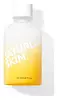
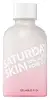
Saturday Skin Yuzu Vitamin C Bright Toner Versus Saturday Skin Pore Clarifying Toner 10% Glycolic Acid
This brightening toner is formulated around Niacinamide and 3-O-Ethyl Ascorbic Acid to brighten dull-looking skin and fade the look of dark spots.
This pore-care toner is formulated around Glycolic Acid to refine the look of pores and refine skin texture.

What's inside
What's inside
 Key Ingredients
Benefits
Concerns
Ingredients Side-by-side
Water
Skin ConditioningNiacinamide
Smoothing











Glycerin
Humectant
Butylene Glycol
Humectant
1,2-Hexanediol
Skin Conditioning
Methyl Gluceth-20
Humectant
C12-14 Alketh-12
EmulsifyingDiphenyl Dimethicone
Emollient
Octyldodeceth-16
EmulsifyingTriethylhexanoin
MaskingVinyldimethicone
Ethylhexylglycerin
Skin ConditioningCitrus Junos Peel Oil
Astringent
Hydrogenated Lecithin
Emulsifying
Lecithin
Emollient
Citric Acid
Buffering

Sodium Citrate
BufferingCitrus Junos Fruit Extract
Skin ConditioningCynanchum Atratum Extract
Skin Conditioning3-O-Ethyl Ascorbic Acid
Skin Conditioning
Morus Alba Leaf Extract
Skin ConditioningOryza Sativa Extract
Absorbent
Sea Salt
Abrasive
Saccharomyces/Rice Ferment Filtrate
Skin Conditioning
Phenoxyethanol
Preservative
Althaea Rosea Flower Extract
Skin ConditioningPropanediol
Solvent
Caprylic/Capric Triglyceride
Masking
Caprylyl Glycol
Emollient
Tocopherol
Antioxidant

Ceramide NP
Skin Conditioning
Cholesterol
Emollient
Stearic Acid
Cleansing
Sh-Oligopeptide-1
Skin Conditioning
Sh-Polypeptide-1
Skin Conditioning
Sh-Oligopeptide-14
Skin Conditioning
Sh-Oligopeptide-2
Skin Conditioning
Sh-Polypeptide-45
Skin Conditioning
Sh-Polypeptide-7
Antiseborrhoeic
Sh-Polypeptide-9
Skin Conditioning
Water, Niacinamide, Glycerin, Butylene Glycol, 1,2-Hexanediol, Methyl Gluceth-20, C12-14 Alketh-12, Diphenyl Dimethicone, Octyldodeceth-16, Triethylhexanoin, Vinyldimethicone, Ethylhexylglycerin, Citrus Junos Peel Oil, Hydrogenated Lecithin, Lecithin, Citric Acid, Sodium Citrate, Citrus Junos Fruit Extract, Cynanchum Atratum Extract, 3-O-Ethyl Ascorbic Acid, Morus Alba Leaf Extract, Oryza Sativa Extract, Sea Salt, Saccharomyces/Rice Ferment Filtrate, Phenoxyethanol, Althaea Rosea Flower Extract, Propanediol, Caprylic/Capric Triglyceride, Caprylyl Glycol, Tocopherol, Ceramide NP, Cholesterol, Stearic Acid, Sh-Oligopeptide-1, Sh-Polypeptide-1, Sh-Oligopeptide-14, Sh-Oligopeptide-2, Sh-Polypeptide-45, Sh-Polypeptide-7, Sh-Polypeptide-9
Water
Skin ConditioningGlycolic Acid
Buffering
Hamamelis Virginiana Water
Astringent

Sodium Hydroxide
BufferingPentylene Glycol
Skin Conditioning
Glycerin
Humectant
Propanediol
Solvent
1,2-Hexanediol
Skin Conditioning
Panthenol
Skin Conditioning
Sodium PCA
Humectant
PEG-60 Hydrogenated Castor Oil
Emulsifying
Caprylyl Glycol
Emollient
Xanthan Gum
EmulsifyingEthylhexylglycerin
Skin ConditioningCitrus Limon Peel Oil
Masking


Disodium EDTA
ChelatingJuniperus Mexicana Oil
Masking
Hydrogenated Lecithin
Emulsifying
Citrus Aurantium Dulcis Peel Oil
Masking
Citrus Grandis Peel Oil
Masking
Eucalyptus Globulus Leaf Oil
Perfuming
Lavandula Angustifolia Oil
Masking
Rosmarinus Officinalis Leaf Oil
Masking
Butylene Glycol
Humectant
Cholesterol
Emollient
PEG-800
HumectantPolysorbate 20
Emulsifying
Tocopherol
Antioxidant
Melaleuca Alternifolia Leaf Extract
Perfuming
Camellia Sinensis Leaf Extract
Antimicrobial
Trifolium Pratense Flower Extract
AstringentOctanediol
Sh-Oligopeptide-1
Skin Conditioning
Sh-Polypeptide-1
Skin Conditioning
Sh-Oligopeptide-2
Skin Conditioning
Sh-Polypeptide-22
Skin Conditioning
Sh-Polypeptide-45
Skin Conditioning
Sh-Polypeptide-8
Humectant
Sh-Polypeptide-9
Skin Conditioning
Water, Glycolic Acid, Hamamelis Virginiana Water, Sodium Hydroxide, Pentylene Glycol, Glycerin, Propanediol, 1,2-Hexanediol, Panthenol, Sodium PCA, PEG-60 Hydrogenated Castor Oil, Caprylyl Glycol, Xanthan Gum, Ethylhexylglycerin, Citrus Limon Peel Oil, Disodium EDTA, Juniperus Mexicana Oil, Hydrogenated Lecithin, Citrus Aurantium Dulcis Peel Oil, Citrus Grandis Peel Oil, Eucalyptus Globulus Leaf Oil, Lavandula Angustifolia Oil, Rosmarinus Officinalis Leaf Oil, Butylene Glycol, Cholesterol, PEG-800, Polysorbate 20, Tocopherol, Melaleuca Alternifolia Leaf Extract, Camellia Sinensis Leaf Extract, Trifolium Pratense Flower Extract, Octanediol, Sh-Oligopeptide-1, Sh-Polypeptide-1, Sh-Oligopeptide-2, Sh-Polypeptide-22, Sh-Polypeptide-45, Sh-Polypeptide-8, Sh-Polypeptide-9
Ingredients Explained
These ingredients are found in both products.
Ingredients higher up in an ingredient list are typically present in a larger amount.
1,2-Hexanediol is a synthetic liquid and another multi-functional powerhouse.
It is a:
- Humectant, drawing moisture into the skin
- Emollient, helping to soften skin
- Solvent, dispersing and stabilizing formulas
- Preservative booster, enhancing the antimicrobial activity of other preservatives
Butylene Glycol (or BG) is used within cosmetic products for a few different reasons:
Overall, Butylene Glycol is a safe and well-rounded ingredient that works well with other ingredients.
Though this ingredient works well with most skin types, some people with sensitive skin may experience a reaction such as allergic rashes, closed comedones, or itchiness.
Learn more about Butylene GlycolCaprylyl Glycol is a humectant, skin conditioner, emollient, and preservative booster derived from either caprylic acid or synthetically created.
Typical use levels vary from 0.3-1% as a preservative booster and go up to 2% to condition skin.
Because it is not a free-fatty acid, this ingredient is fungal acne safe (there's nothing for Malassezia to feed on).
Learn more about Caprylyl GlycolCholesterol is a lipid that is naturally found in human skin and is one of the three key components of your skin barrier. In skincare, it is an emollient and barrier-repairing ingredient.
It works by fitting directly into the lipid layers of skin to help restore structure and reduce transepidermal water loss (TEWL).
This is a great ingredient for dry, compromised, or aging skin; our skin starts to produce less cholesterol with age.
Research shows cholesterol works best in combination with ceramides and fatty acids, the other two major components in your skin barrier.
Cholesterol is also a well-establish penetration enhancer and can help other actives absorb more effectively.
Cosmetic-grade cholesterol is usually derived from lanolin but plant and synthetic options also exist. We recommend reaching out to the brand if you have questions about their source of cholesterol.
Learn more about CholesterolEthylhexylglycerin is created from glycerin. It is a multitasker ingredient that:
The CIR Expert Panel found minimal skin absorption or sensitization of any kind in a safety assessment. Though this ingredient is considered well-tolerated, a small number of cases of allergic dermatitis have been published since 2002. Just be sure to patch test if you are unsure.
Industry-reported use ranges from 8% in rinse-off products and 2% in leave-on formulations.
Learn more about EthylhexylglycerinGlycerin (or glycerol) is a compound naturally found in your skin. It's a powerhouse humectant that pulls water into the stratum corneum.
Topically, glycerin does several things at once:
Your skin makes glycerin on its own (mostly from sebaceous oil breakdown) and shuttles it to your outermost layer of skin, or your epidermis, via aquaporin-3.
Aquaporin-3 is a transporter that is essential for normal skin hydration, elasticity, and repair. Interestingly, mice lacking in AQP3 have dry and less elastic skin that can be fully corrected with glycerin.
This ingredient is non-irritating, plays well with almost every ingredient, and works across all skin types. Typical use is anywhere between 3-10% but can go up to 79% in some leave-on products.
Just know very high concentrations (>40%) can feel tacky in low humidity.
Glycerin is the name for this ingredient in American English. British English uses Glycerol/Glycerine.
Learn more about GlycerinHydrogenated Lecithin is a more stable version of lecithin.
It's made by taking lecithin (a phospholipid commonly found in soybeans and egg yolks) and hydrogenating it. This just means the unsaturated fatty acids are turned into saturated ones so they don't go bad as easily.
This ingredient is an emollient, emulsifier, and penetration enhancer. As an emollient, it helps soften and hydrate skin by trapping moisture within. As an emulsifier, it prevents oil and water ingredients from separating.
Hydrogenated Lecithin can form tiny spherical structures made of phospholipid bilayers called liposomes. These liposomes are able to capture compounds inside their structure and deliver them through the skin barrier.
Because phospholipids are a natural component of our cell membranes, this ingredient is inherently compatible with skin.
A 2021 study found lecithin-based surfactants were less harsh and more tolerable comared to Sodium Lauryl Sulfate (SLS).
Learn more about Hydrogenated LecithinPropanediol is an all-star ingredient. It softens, hydrates, and smooths the skin.
It’s often used to:
Propanediol is not likely to cause sensitivity and considered safe to use. It is derived from corn or petroleum with a clear color and no scent.
Learn more about Propanediolsh-Oligopeptide-1 is a peptide found naturally in our bodies. Peptides are the building blocks for collagen and elastin in our skin.
In cosmetics, this ingredient is bioengineered to be identical to a human gene that codes for epidermal growth factor (EGF). EGF are signal molecules that simulate cell growth and healing.
Studies find EGF help with:
In South Korea and China, EGF is considered a controversial ingredient. The South Korean Ministry of Food and Drug Safety has cracked down on companies with products including EGF due to false advertisement claims.
According to Dr. Zoe Draelos, growth factors have some drawbacks:
There is also controversy surrounding growth factors. The controversy is due to their mitogenic activity, or their ability to increase the number of cells. It is best to avoid using growth factors if you have psoriasis or are at risk of skin cancer. However, it should be noted EGF are not mutagenic - meaning they will not cause cancer.
Learn more about Sh-Oligopeptide-1This peptide has similar properties to Sh-Oligopeptide-1.
In cosmetics, this ingredient is bioengineered to be identical to a human gene that codes for epidermal growth factor (EGF). EGF are signal molecules that simulate cell growth and healing.
There is also controversy surrounding EGF. The controversy is due to their mitogenic activity, or their ability to increase the number of cells. It is best to avoid using growth factors if you have psoriasis or are at risk of skin cancer. However, it should be noted EGF are not mutagenic - meaning they will not cause cancer.
Learn more about Sh-Oligopeptide-2Sh-Polypeptide-1 is a signal peptide that tells our cells to create more fibroblast cells. Fibroblasts maintain skin structure and plays a role in wound healing.
It is important to note this ingredient is mitogenic and not mutagenic. Meaning it will stimulate cell multiplication, and will not cause cancer.
Peptides are amino acids naturally found in your skin. These amino acids make up many proteins your skin uses. Collagen is made up of peptides. Collagen is responsible for keeping your skin plump and youthful.
Sh-Polypeptide-9 is a signal peptide that tells our body to create more blood vessels.
It is important to note, this ingredient is mitogenic and not mutagenic. Meaning it will stimulate cell multiplication, and will not cause cancer.
Tocopherol is a fat-soluble antioxidant known as Vitamin E.
You'll find this ingredient in the vast majority of skincare (for good reason). It works to neutralize free radicals, or unstable molecules generated by UV exposure, pollution, and other environmental stressors, before they can cause oxidative damage to your skin cells.
Topically applied tocopherol has been shown to protect against UV damage by ramping up the skin's own natural defense enzymes.
It also acts as a skin conditioning agent; some studies show that regular topical use can improve the skin's water-binding capacity over 2-4 weeks.
This ingredient is especially loved for being a team player. When combined with Vitamin C, the photoprotective effect of both ingredients roughly doubles and the combo also helps reduce UV-induced DNA damage.
This ingredient has some brightening potential but it's more of a prevention ingredient than spot-fader. Cell studies show it can slow down melanin production but it's worth noting that it's not the most powerful brightener out there.
In formulations, it also serves as a stabilizer that helps protect other oxidation-prone ingredients from degrading.
Concentrations usually range from 0.1-1% in most leave-on products.
Learn more about TocopherolWater. It's the most common cosmetic ingredient of all. You'll usually see it at the top of ingredient lists, meaning that it makes up the largest part of the product.
So why is it so popular? Water most often acts as a solvent - this means that it helps dissolve other ingredients into the formulation.
You'll also recognize water as that liquid we all need to stay alive. If you see this, drink a glass of water. Remember to stay hydrated!
Learn more about Water

