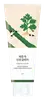
This mild gel cleanser is made to cleanse while calming and soothing your skin.
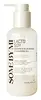
This oil-based makeup remover is made to dissolve makeup, sunscreen, and daily buildup.

What's inside
What's inside
 Key Ingredients
Benefits
Concerns
No concerns
Ingredients Side-by-side
Water
Skin ConditioningGlycerin
Humectant


Sodium Cocoyl Glycinate
Cleansing
Sodium Lauroyl Glutamate
SurfactantButylene Glycol
Humectant
Coco-Betaine
Cleansing
Betaine
Humectant
Hydroxypropyl Starch Phosphate
Artemisia Vulgaris Extract
Skin Conditioning
Artemisia Princeps Leaf Extract
Skin ConditioningMadecassoside
Antioxidant


Asiaticoside
Antioxidant
Asiatic Acid
Skin Conditioning
Madecassic Acid
Skin Conditioning
Panthenol
Skin Conditioning
Allantoin
Skin Conditioning
Melia Azadirachta Leaf Extract
Skin ConditioningMalt Extract
Skin ProtectingCamellia Sinensis Leaf Extract
Antimicrobial


Melia Azadirachta Flower Extract
Skin ConditioningSodium Chloride
MaskingAspartic Acid
Masking
Caprylyl Glycol
Emollient
Polyquaternium-67
1,2-Hexanediol
Skin Conditioning
Ethylhexylglycerin
Skin ConditioningCitric Acid
Buffering

Salvia Officinalis Oil
Masking
Water, Glycerin, Sodium Cocoyl Glycinate, Sodium Lauroyl Glutamate, Butylene Glycol, Coco-Betaine, Betaine, Hydroxypropyl Starch Phosphate, Artemisia Vulgaris Extract, Artemisia Princeps Leaf Extract, Madecassoside, Asiaticoside, Asiatic Acid, Madecassic Acid, Panthenol, Allantoin, Melia Azadirachta Leaf Extract, Malt Extract, Camellia Sinensis Leaf Extract, Melia Azadirachta Flower Extract, Sodium Chloride, Aspartic Acid, Caprylyl Glycol, Polyquaternium-67, 1,2-Hexanediol, Ethylhexylglycerin, Citric Acid, Salvia Officinalis Oil
Silica
Abrasive
Butylene Glycol
Humectant
Acrylates Copolymer
Tocopherol
Antioxidant

Propanediol
Solvent
1,2-Hexanediol
Skin Conditioning
Simmondsia Chinensis Seed Oil
Emollient
Glycerin
Humectant
Argania Spinosa Kernel Oil
Emollient
Camellia Japonica Seed Oil
Emollient
Serine
Masking
Glutamic Acid
Humectant
Aspartic Acid
Masking
Glycine Soja Oil
Emollient


Ulmus Davidiana Root Extract
Skin Conditioning
Pueraria Lobata Root Extract
HumectantPinus Palustris Leaf Extract
TonicOenothera Biennis Flower Extract
AstringentPalmitoyl Tripeptide-5
Skin Conditioning
Ethylhexylglycerin
Skin ConditioningCocos Nucifera Oil
Masking
Palmitoyl Pentapeptide-4
Skin Conditioning
Silica, Butylene Glycol, Acrylates Copolymer, Tocopherol, Propanediol, 1,2-Hexanediol, Simmondsia Chinensis Seed Oil, Glycerin, Argania Spinosa Kernel Oil, Camellia Japonica Seed Oil, Serine, Glutamic Acid, Aspartic Acid, Glycine Soja Oil, Ulmus Davidiana Root Extract, Pueraria Lobata Root Extract, Pinus Palustris Leaf Extract, Oenothera Biennis Flower Extract, Palmitoyl Tripeptide-5, Ethylhexylglycerin, Cocos Nucifera Oil, Palmitoyl Pentapeptide-4
Reviews
Ingredients Explained
These ingredients are found in both products.
Ingredients higher up in an ingredient list are typically present in a larger amount.
1,2-Hexanediol is a synthetic liquid and another multi-functional powerhouse.
It is a:
- Humectant, drawing moisture into the skin
- Emollient, helping to soften skin
- Solvent, dispersing and stabilizing formulas
- Preservative booster, enhancing the antimicrobial activity of other preservatives
Aspartic Acid is an amino acid that our bodies produce naturally. It is an antioxidant.
Our body uses Aspartic Acid to help build collagen and elastin. It also plays a role in hydrating skin.
Butylene Glycol (or BG) is used within cosmetic products for a few different reasons:
Overall, Butylene Glycol is a safe and well-rounded ingredient that works well with other ingredients.
Though this ingredient works well with most skin types, some people with sensitive skin may experience a reaction such as allergic rashes, closed comedones, or itchiness.
Learn more about Butylene GlycolEthylhexylglycerin is created from glycerin. It is a multitasker ingredient that:
The CIR Expert Panel found minimal skin absorption or sensitization of any kind in a safety assessment. Though this ingredient is considered well-tolerated, a small number of cases of allergic dermatitis have been published since 2002. Just be sure to patch test if you are unsure.
Industry-reported use ranges from 8% in rinse-off products and 2% in leave-on formulations.
Learn more about EthylhexylglycerinGlycerin (or glycerol) is a compound naturally found in your skin. It's a powerhouse humectant that pulls water into the stratum corneum.
Topically, glycerin does several things at once:
Your skin makes glycerin on its own (mostly from sebaceous oil breakdown) and shuttles it to your outermost layer of skin, or your epidermis, via aquaporin-3.
Aquaporin-3 is a transporter that is essential for normal skin hydration, elasticity, and repair. Interestingly, mice lacking in AQP3 have dry and less elastic skin that can be fully corrected with glycerin.
This ingredient is non-irritating, plays well with almost every ingredient, and works across all skin types. Typical use is anywhere between 3-10% but can go up to 79% in some leave-on products.
Just know very high concentrations (>40%) can feel tacky in low humidity.
Glycerin is the name for this ingredient in American English. British English uses Glycerol/Glycerine.
Learn more about Glycerin

