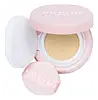
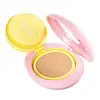
Rose All Day The Realest Lightweight Essence Cushion SPF 40 PA+++ Versus Azarine Covermatte Sunscreen Cushion SPF 50+
This hybrid sunscreen covers the full UV range and blocks ~98% of UVB at SPF 50.

What's inside
What's inside
 Key Ingredients
Benefits
Concerns
Ingredients Side-by-side
Water
Skin ConditioningTitanium Dioxide
Cosmetic Colorant

Cyclopentasiloxane
Emollient
Cetyl Ethylhexanoate
EmollientMethyl Trimethicone
Skin Conditioning
Triethylhexanoin
MaskingCI 77492
Cosmetic ColorantTrimethylsiloxysilicate
Emollient
Dipropylene Glycol
HumectantLauryl PEG-10 Tris(Trimethylsiloxy)Silylethyl Dimethicone
Emulsifying
Alcohol Denat.
Antimicrobial




Caprylyl Methicone
Skin Conditioning
Niacinamide
Smoothing











Pentylene Glycol
Skin Conditioning
Isododecane
EmollientPolymethyl Methacrylate
Butylene Glycol
Humectant
Dicaprylyl Carbonate
EmollientAcrylates/Polytrimethylsiloxymethacrylate Copolymer
Skin ConditioningMagnesium Sulfate
Phenoxyethanol
Preservative
CI 77491
Cosmetic ColorantDisteardimonium Hectorite
StabilisingVinyl Dimethicone/Methicone Silsesquioxane Crosspolymer
Cetyl PEG/PPG-10/1 Dimethicone
Emulsifying
Acrylates/Stearyl Acrylate/Dimethicone Methacrylate Copolymer
CI 77499
Cosmetic ColorantStearic Acid
Cleansing

Alumina
Abrasive
Triethoxycaprylylsilane
Betaine
Humectant
Aluminum Hydroxide
EmollientDimethicone
Emollient
Dimethicone/Vinyl Dimethicone Crosspolymer
Skin Conditioning
Sodium Hyaluronate
Humectant
Ethylhexylglycerin
Skin ConditioningTrisodium Ethylenediamine Disuccinate
ChelatingHydrogenated Castor Oil Isostearate
Skin Conditioning
1,2-Hexanediol
Skin Conditioning
Allantoin
Skin Conditioning
Caffeine
Skin Conditioning
Tocopherol
Antioxidant

Water, Titanium Dioxide, Cyclopentasiloxane, Cetyl Ethylhexanoate, Methyl Trimethicone, Triethylhexanoin, CI 77492, Trimethylsiloxysilicate, Dipropylene Glycol, Lauryl PEG-10 Tris(Trimethylsiloxy)Silylethyl Dimethicone, Alcohol Denat., Caprylyl Methicone, Niacinamide, Pentylene Glycol, Isododecane, Polymethyl Methacrylate, Butylene Glycol, Dicaprylyl Carbonate, Acrylates/Polytrimethylsiloxymethacrylate Copolymer, Magnesium Sulfate, Phenoxyethanol, CI 77491, Disteardimonium Hectorite, Vinyl Dimethicone/Methicone Silsesquioxane Crosspolymer, Cetyl PEG/PPG-10/1 Dimethicone, Acrylates/Stearyl Acrylate/Dimethicone Methacrylate Copolymer, CI 77499, Stearic Acid, Alumina, Triethoxycaprylylsilane, Betaine, Aluminum Hydroxide, Dimethicone, Dimethicone/Vinyl Dimethicone Crosspolymer, Sodium Hyaluronate, Ethylhexylglycerin, Trisodium Ethylenediamine Disuccinate, Hydrogenated Castor Oil Isostearate, 1,2-Hexanediol, Allantoin, Caffeine, Tocopherol
Water
Skin ConditioningIsododecane
EmollientTitanium Dioxide
Cosmetic Colorant
Diisostearyl Malate
EmollientEthylhexyl Methoxycinnamate
UV Absorber
Niacinamide
Smoothing
Silica
Abrasive
Butylene Glycol
Humectant
Polymethylsilsesquioxane/Trimethylsiloxysilicate
Aluminum Starch Octenylsuccinate
Absorbent
Talc
Abrasive
Glycerin
Humectant
Diethylamino Hydroxybenzoyl Hexyl Benzoate
UV Filter
Triethylhexanoin
MaskingCetyl PEG/PPG-10/1 Dimethicone
Emulsifying
Polyhydroxystearic Acid
Emulsifying
Divinyldimethicone/Dimethicone/Silsesquioxane Crosspolymer
Chlorphenesin
Antimicrobial
Polyglyceryl-10 Dioleate
Emulsifying
Aluminum Hydroxide
EmollientNeopentyl Glycol Diethylhexanoate
Emollient
Hexadecene
SolventTriethoxycaprylylsilane
Propylene Carbonate
SolventHydrogen Dimethicone
Isopropyl Titanium Triisostearate
Emollient
Enantia Chlorantha Bark Extract
Skin ConditioningBHT
Antioxidant
Oleanolic Acid
Skin ConditioningWater, Isododecane, Titanium Dioxide, Diisostearyl Malate, Ethylhexyl Methoxycinnamate, Niacinamide, Silica, Butylene Glycol, Polymethylsilsesquioxane/Trimethylsiloxysilicate, Aluminum Starch Octenylsuccinate, Talc, Glycerin, Diethylamino Hydroxybenzoyl Hexyl Benzoate, Triethylhexanoin, Cetyl PEG/PPG-10/1 Dimethicone, Polyhydroxystearic Acid, Divinyldimethicone/Dimethicone/Silsesquioxane Crosspolymer, Chlorphenesin, Polyglyceryl-10 Dioleate, Aluminum Hydroxide, Neopentyl Glycol Diethylhexanoate, Hexadecene, Triethoxycaprylylsilane, Propylene Carbonate, Hydrogen Dimethicone, Isopropyl Titanium Triisostearate, Enantia Chlorantha Bark Extract, BHT, Oleanolic Acid
Ingredients Explained
These ingredients are found in both products.
Ingredients higher up in an ingredient list are typically present in a larger amount.
Aluminum Hydroxide is a form of aluminum. It can be naturally found in nature as the mineral gibbsite. In cosmetics, Aluminum Hydroxide is used as a colorant, pH adjuster, and absorbent.
As a colorant, Aluminum Hydroxide may add opacity, or reduce the transparency. Aluminum hydroxide is contains both basic and acidic properties.
According to manufacturers, this ingredient is an emollient and humectant. This means it helps hydrate the skin.
In medicine, this ingredient is used to help relieve heartburn and help heal ulcers.
There is currently no credible scientific evidence linking aluminum hydroxide in cosmetics to increased cancer risk.
Major health organizations allow the use of aluminum hydroxide in personal care products and have not flagged it as a carcinogenic risk at typical usage levels.
Learn more about Aluminum HydroxideButylene Glycol (or BG) is used within cosmetic products for a few different reasons:
Overall, Butylene Glycol is a safe and well-rounded ingredient that works well with other ingredients.
Though this ingredient works well with most skin types, some people with sensitive skin may experience a reaction such as allergic rashes, closed comedones, or itchiness.
Learn more about Butylene GlycolThis ingredient is a silicone-based emulsifer that helps the water and oil phases play nicely together.
It's pretty effective because one end of the molecule loves oil and the other one loves water.
Besides holding formulas together, it also leaves a silky and lightweight feel on skin without the greasiness. A manufacturer also claims it can help with the controlled release of active ingredients.
The CIR Expert Panel found this ingredient to not be sensitizing in concentrations up to 15% in human maximazation testing and dimethicone-based compounds were not comedogenic.
It has a high molecular weight well above 1,000 g/mol which means it limits meaningful skin penetration.
A 2019 study specifically tested this ingredient and found no observable Malassezia growth in its presence.
Learn more about Cetyl PEG/PPG-10/1 DimethiconeIsododecane is a fragrance, emollient, and solvent.
As an emollient, it helps your skin stay soft and hydrated. Emollients help trap moisture into your skin.
Isododecane's role as a solvent makes it a great texture enhancer. It spreads smoothly on skin and does not leave a sticky feeling behind. Isododecane also helps prevent color transfer in makeup products.
Isododecane is not absorbed into skin.
The chemical name for this ingredient is 2,2,4,6,6-PENTAMETHYLHEPTANE.
Learn more about IsododecaneNiacinamide is a multitasking form of vitamin B3 that strengthens the skin barrier, reduces pores and dark spots, regulates oil, and improves signs of aging.
And the best part? It's gentle and well-tolerated by most skin types, including sensitive and reactive skin.
You might have heard of "niacin flush", or the reddening of skin that causes itchiness. Niacinamide has not been found to cause this.
In very rare cases, some individuals may not be able to tolerate niacinamide at all or experience an allergic reaction to it.
If you are experiencing flaking, irritation, and dryness with this ingredient, be sure to double check all your products as this ingredient can be found in all categories of skincare.
When incorporating niacinamide into your routine, look out for concentration amounts. Typically, 5% niacinamide provides benefits such as fading dark spots. However, if you have sensitive skin, it is better to begin with a smaller concentration.
When you apply niacinamide to your skin, your body converts it into nicotinamide adenine dinucleotide (NAD). NAD is an essential coenzyme that is already found in your cells as "fuel" and powers countless biological processes.
In your skin, NAD helps repair cell damage, produce new healthy cells, support collagen production, strengthen the skin barrier, and fight environmental stressors (like UV and pollution).
Our natural NAD levels start to decline with age, leading to slower skin repair, visible aging, and a weaker skin barrier. By providing your skin niacinamide, you're recharging your skin's NAD levels. This leads to stronger, healthier, and younger looking skin.
Another name for vitamin B3 is nicotinamide. This vitamin is water-soluble and our bodies don't store it. We obtain Vitamin B3 from either food or skincare. Meat, fish, wheat, yeast, and leafy greens contain vitamin B3.
The type of niacinamide used in skincare is synthetically created.
Learn more about NiacinamideTitanium Dioxide (TD) is a mineral UV filter widely used in sunscreens and cosmetics.
It's one of only two UV filters officially classified as "mineral" by regulatory agencies (the other being Zinc Oxide).
A really common myth is that mineral filters work by reflecting UV light off your skin like tiny mirrors.
They don't only do that; modern research shows TD protects mostly by absorbing UV radiation, the same way chemical filters do.
When researchers measured this, reflection accounted for only about 4-5% of the protection (and less than SPF 2 on its own). The other ~95% comes from absorption: the UV photons hit the particle and their energy gets soaked up by its semiconductor band gap rather than bouncing off.
So "reflects vs. absorbs" was never really the right way to split mineral from chemical filters.
TD gives broad-spectrum protection that's strongest in the UVB and UVA-2 range and weaker in the UVA-1 range. Its UVA protection isn't quite as strong as Zinc Oxide's which is why you'll often see the two paired together.
Together, they make a solid broad-spectrum system.
TD is a great pick for sensitive, acne-prone, or redness-prone skin because it's non-irritating and chemically inert. Regulatory reviews classify it as a non-sensitizer and mild-to-non-irritant.
It's also unlikely to cause the "eye sting" some chemical filters are known for.
The main trade-off is cosmetic; TD can leave a white cast and has a thicker texture. This is why mineral sunscreens are often less cosmetically elegant than chemical or hybrid formulas (and harder to shade-match on deeper skin tones).
Formulators often use micronized or nano-sized TD to cut down on white case and improve spreadability. Smaller particles scatter less visible light so the formula looks less chalky while still filtering UV.
TD is almost always bundled with coatings like Alumina, Silica, Stearic Acid, or Dimethicone. These coatings do two important jobs:
TD can be used at up to 25% in a finished sunscreen; this is the regulatory ceiling in both the US and the EU.
In practice, the amount in any given product varies a lot depending on the target SPF and whether it's paired with other UV filters.
TD is one of the most heavily vetted sunscreen ingredients out there. It is approved as a UV filter in all major markets worldwide, including the US, EU, UK, Japan, Korea, China, Australia, and Canada.
The safety evidence is solid. There was an old worry that nano particles might absorb through skin into the body but multiple studies (including on damaged, sunburned, and UV-irradiated skin) have shown that TD stays on the surface and the layer of dead skin cells on top of everything else.
There's also no evidence of carcinogenicity, mutagenicity, or reproductive toxicity from dermal exposure of this ingredient.
For those who have seen the headline about a 2022 EU ban on TD, that was on TD as a food additive (a complete separate use from topical sunscreen).
There are ongoing questions about how nano-TD might affect marine ecosystems. As of now, there has been no conclusive evidence that any form of TD (or any other sunscreen filter) harms coral reefs or marine life.
The science is still developing and it's a space worth watching rather than packing over.
However, several destinations have reef-safety sunscreen rules that restrict certain chemical filters and steer visitors toward mineral, non-nano options. If you're traveling somewhere with these rules, a non-nano mineral sunscreen is the safe bet.
Learn more about Titanium DioxideTriethoxycaprylylsilane is a silicon-based surface modifier that makes sunscreens feel silky and makeup stay put.
Its main job is to coat mineral particles like titanium dioxide, zinc oxide, and color pigments in a thin, oily layer so they spread smoothly, don't clump, and stick to skin better.
This ingredient is typically used at low levels (up to 2.5% in eyeshadow and 1% in lipstick).
Learn more about TriethoxycaprylylsilaneTriethylhexanoin is created from glycerin and 2-ethylhexanoic acid. It is a solvent and emollient.
As a solvent, Triethylhexanoin helps dissolve ingredients to stable bases or help evenly distribute ingredients throughout the product.
It is also an emollient and helps condition the skin.
Learn more about TriethylhexanoinWater. It's the most common cosmetic ingredient of all. You'll usually see it at the top of ingredient lists, meaning that it makes up the largest part of the product.
So why is it so popular? Water most often acts as a solvent - this means that it helps dissolve other ingredients into the formulation.
You'll also recognize water as that liquid we all need to stay alive. If you see this, drink a glass of water. Remember to stay hydrated!
Learn more about Water

