

What's inside
What's inside
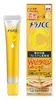 Key Ingredients
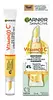
Benefits
Concerns
Ingredients Side-by-side
Ascorbic Acid
Antioxidant






Pyridoxine Hcl
Skin ConditioningAllantoin
Skin Conditioning



O-Cymen-5-Ol
Antimicrobial
3-O-Ethyl Ascorbic Acid
Skin Conditioning
Ascorbyl Glucoside
Antioxidant
Ascorbyl Tetraisopalmitate
Antioxidant
Tocopherol
Antioxidant
Alpinia Katsumadai Seed Extract
Skin ConditioningCitrus Limon Fruit Extract
Masking
Citrus Grandis Fruit Extract
Astringent
Serine
Masking
Butylene Glycol
Humectant
Propanediol
Solvent
Isopentyldiol
Humectant
Propylene Glycol
Humectant

PEG-8
HumectantAlcohol Denat.
Antimicrobial

Polyglyceryl-3 Decyltetradecyl Ether
EmulsifyingSodium Metabisulfite
Antioxidant
EDTA
Parfum
Masking
Ascorbic Acid, Pyridoxine Hcl, Allantoin, O-Cymen-5-Ol, 3-O-Ethyl Ascorbic Acid, Ascorbyl Glucoside, Ascorbyl Tetraisopalmitate, Tocopherol, Alpinia Katsumadai Seed Extract, Citrus Limon Fruit Extract, Citrus Grandis Fruit Extract, Serine, Butylene Glycol, Propanediol, Isopentyldiol, Propylene Glycol, PEG-8, Alcohol Denat., Polyglyceryl-3 Decyltetradecyl Ether, Sodium Metabisulfite, EDTA, Parfum
Water
Skin ConditioningGlycerin
Humectant
Dimethicone
Emollient
Prunus Armeniaca Kernel Oil
Masking
Niacinamide
Smoothing


Acrylamide/Sodium Acryloyldimethyltaurate Copolymer
Emulsion StabilisingSilica
Abrasive
CI 77891
Cosmetic ColorantIsohexadecane
EmollientDimethicone/Vinyl Dimethicone Crosspolymer
Skin Conditioning
Hydroxypropyl Tetrahydropyrantriol
Skin ConditioningCaffeine
Skin Conditioning
Synthetic Fluorphlogopite
Propylene Glycol
Humectant
Phenoxyethanol
Preservative
Acrylates/C10-30 Alkyl Acrylate Crosspolymer
Emulsion StabilisingTocopherol
Antioxidant
Chlorphenesin
Antimicrobial
Polysorbate 80
Emulsifying
Ascorbyl Glucoside
Antioxidant
Triethanolamine
BufferingCI 77492
Cosmetic ColorantTrisodium Ethylenediamine Disuccinate
Musa Sapientum Fruit Extract
Skin ConditioningAdenosine
Skin Conditioning
Hydrolyzed Hyaluronic Acid
Humectant
Hydroxyethylpiperazine Ethane Sulfonic Acid
BufferingMica
Cosmetic ColorantSorbitan Oleate
Emulsifying
Musa Paradisiaca Fruit Juice
Skin ConditioningAnanas Sativus Fruit Extract
Skin ConditioningCitric Acid
Buffering
Sodium Benzoate
Masking
Disodium Stearoyl Glutamate
CleansingLactic Acid
Buffering
Tin Oxide
Abrasive
Potassium Sorbate
Preservative
Aluminum Hydroxide
EmollientWater, Glycerin, Dimethicone, Prunus Armeniaca Kernel Oil, Niacinamide, Acrylamide/Sodium Acryloyldimethyltaurate Copolymer, Silica, CI 77891, Isohexadecane, Dimethicone/Vinyl Dimethicone Crosspolymer, Hydroxypropyl Tetrahydropyrantriol, Caffeine, Synthetic Fluorphlogopite, Propylene Glycol, Phenoxyethanol, Acrylates/C10-30 Alkyl Acrylate Crosspolymer, Tocopherol, Chlorphenesin, Polysorbate 80, Ascorbyl Glucoside, Triethanolamine, CI 77492, Trisodium Ethylenediamine Disuccinate, Musa Sapientum Fruit Extract, Adenosine, Hydrolyzed Hyaluronic Acid, Hydroxyethylpiperazine Ethane Sulfonic Acid, Mica, Sorbitan Oleate, Musa Paradisiaca Fruit Juice, Ananas Sativus Fruit Extract, Citric Acid, Sodium Benzoate, Disodium Stearoyl Glutamate, Lactic Acid, Tin Oxide, Potassium Sorbate, Aluminum Hydroxide
Reviews
Ingredients Explained
These ingredients are found in both products.
Ingredients higher up in an ingredient list are typically present in a larger amount.
Ascorbyl Glucoside is a stable form of Vitamin C. It is created by combining glucose from starch.
When applied to skin, Ascorbyl Glucoside turns into Ascorbic Acid.
Ascorbyl Glucoside is an antioxidant. Antioxidants help fight free-radicals, or molecules that may damage skin cells.
It can help to reduce redness, improve skin texture, reduce the effects of aging, reduce the visibility of dark spots, and brighten skin.
Read more about other types of Vitamin C:
Learn more about Ascorbyl GlucosidePropylene Glycol is a synthetic, colorless, odorless liquid that has been a staple in cosmetics for decades. It is a skin conditioning agent, humectant, and solvent.
As a humectant, it draw water to the skin to reduce flaking and restore suppleness. It's also a solvent that helps dissolve other actives and keeps formulas stable across temperature changes.
The CIR Expert Panel has confirmed this ingredient to be nontoxic and clinical studies show no sensitization at cosmetic use concentrations.
True allergic reactions are quite rare: a 15-year retrospective study of 6,751 patients found only 0.31% had a positive reaction (and less than half were considered clinically relevant).
It seemed that when sensitization does occur, it's most commonly linked to topical medication (like corticosteroids) and not cosmetics. Allergic contact dermatitis also appears largely limited to individuals with underlying skin conditions.
Overall, propylene glycol is a well-studied ingredient that most people can tolerate without issue.
Learn more about Propylene GlycolTocopherol is a fat-soluble antioxidant known as Vitamin E.
You'll find this ingredient in the vast majority of skincare (for good reason). It works to neutralize free radicals, or unstable molecules generated by UV exposure, pollution, and other environmental stressors, before they can cause oxidative damage to your skin cells.
Topically applied tocopherol has been shown to protect against UV damage by ramping up the skin's own natural defense enzymes.
It also acts as a skin conditioning agent; some studies show that regular topical use can improve the skin's water-binding capacity over 2-4 weeks.
This ingredient is especially loved for being a team player. When combined with Vitamin C, the photoprotective effect of both ingredients roughly doubles and the combo also helps reduce UV-induced DNA damage.
This ingredient has some brightening potential but it's more of a prevention ingredient than spot-fader. Cell studies show it can slow down melanin production but it's worth noting that it's not the most powerful brightener out there.
In formulations, it also serves as a stabilizer that helps protect other oxidation-prone ingredients from degrading.
Concentrations usually range from 0.1-1% in most leave-on products.
Learn more about Tocopherol
