Melano CC Medicated Anti-Blemish Moisturizing Cream Versus #OOTD (oxygen of the day) Dark Spot Vitamin C Serum
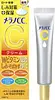
This brightening moisturizer is formulated around Ascorbyl Glucoside and Dipotassium Glycyrrhizate to fade the look of dark spots and brighten dull-looking skin.
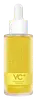
This brightening serum is formulated around Ascorbic Acid and Hippophae Rhamnoides Fruit Extract to fade the look of dark spots and brighten dull-looking skin.


What's inside
What's inside
 Key Ingredients
Benefits
Concerns
Ingredients Side-by-side
Ascorbyl Glucoside
Antioxidant




Tocopheryl Acetate
Antioxidant
Dipotassium Glycyrrhizate
Humectant

O-Cymen-5-Ol
Antimicrobial
Salicylic Acid
Masking








Cajanus Cajan Leaf Extract
Skin ConditioningOenothera Biennis Flower Extract
AstringentSimmondsia Chinensis Seed Oil
Emollient



Lactic Acid
Buffering

Hydrolyzed Roe Extract
HumectantRosa Rubiginosa Seed Oil
Emollient
Disodium EDTA
ChelatingHydroxypropyl Methylcellulose
Emulsion StabilisingCarbomer
Emulsion StabilisingPotassium Hydroxide
BufferingCetearyl Alcohol
Emollient



Hydrogenated Castor Oil
Emollient
Glyceryl Stearate
Emollient
Pentylene Glycol
Skin Conditioning
Glycerin
Humectant
Paraffinum Liquidum
Emollient
Triethylhexanoin
MaskingCaprylic Acid
CleansingButylene Glycol
Humectant
Ascorbyl Glucoside, Tocopheryl Acetate, Dipotassium Glycyrrhizate, O-Cymen-5-Ol, Salicylic Acid, Cajanus Cajan Leaf Extract, Oenothera Biennis Flower Extract, Simmondsia Chinensis Seed Oil, Lactic Acid, Hydrolyzed Roe Extract, Rosa Rubiginosa Seed Oil, Disodium EDTA, Hydroxypropyl Methylcellulose, Carbomer, Potassium Hydroxide, Cetearyl Alcohol, Hydrogenated Castor Oil, Glyceryl Stearate, Pentylene Glycol, Glycerin, Paraffinum Liquidum, Triethylhexanoin, Caprylic Acid, Butylene Glycol
Water
Skin ConditioningIsopentyldiol
Humectant
Glycerin
Humectant
1,2-Hexanediol
Skin Conditioning
Butylene Glycol
Humectant
Betaine
Humectant
Hydroxyethylcellulose
Emulsion StabilisingAscorbic Acid
Antioxidant
Sodium Citrate
BufferingTromethamine
BufferingEthylhexylglycerin
Skin ConditioningDipotassium Glycyrrhizate
Humectant
Propanediol
Solvent
Polyglyceryl-10 Laurate
Skin Conditioning
Disodium EDTA
ChelatingSodium Hyaluronate
Humectant
Hippophae Rhamnoides Fruit Extract
Skin Conditioning
Beta-Glucan
Skin Conditioning
Ascorbyl Glucoside
Antioxidant
Water, Isopentyldiol, Glycerin, 1,2-Hexanediol, Butylene Glycol, Betaine, Hydroxyethylcellulose, Ascorbic Acid, Sodium Citrate, Tromethamine, Ethylhexylglycerin, Dipotassium Glycyrrhizate, Propanediol, Polyglyceryl-10 Laurate, Disodium EDTA, Sodium Hyaluronate, Hippophae Rhamnoides Fruit Extract, Beta-Glucan, Ascorbyl Glucoside
Reviews
Ingredients Explained
These ingredients are found in both products.
Ingredients higher up in an ingredient list are typically present in a larger amount.
Ascorbyl Glucoside (AA-2G) is one of the most stable vitamin C derivatives out there.
It's made by attaching a glucose molecule to ascorbic acid; this glucose "cap" shields the vitamin C from air, light, heat, and metal ions that normally cause pure ascorbic acid to oxidize.
Once on your skin, the enzyme alpha-glucosidase snips off the glucose and gradually releases active ascorbic acid right where it's needed. Basically, it behaves like a slow-release pro-vitamin C with less of a stinging that high-strength ascorbic acid can cause.
The research supports the classic vitamin C benefits as well. In lab and human studies, AA-2G slowed down the skin's production of melanin (the pigment behind dark spots) and helped shield skin cells against sun damage better than ascorbyl phosphate.
These studies also showed AA-2G released vitamin C over a longer period.
A frequently cited manufacturer trial found that a 2% AA-2G face cream significantly improved wrinkle depth and skin roughness after 45 days.
And in 2009, a clinical trial showed it meaningfully lightened dark patches on the gums compared to a placebo.
There's also collagen-synthesis support (since vitamin C is a required cofactor for that) and an antioxidant effect too.
Typical usage is usually between 0.5-5% and most studies/products land around 2%.
AA-2G performs best when formulated at a mildly acidic pH (~5-7) which is much gentler than the pH that pure vitamin C demands (~2.5-3.5).
Just one thing worth knowing: the in-skin conversation rate is only about 55-60% by weight. So a 5% AA-2G product delivers roughly 2.75-3% of actual active vitamin C. On top of that, skin absorption is relatively low because the ingredient is water-soluble.
Learn more about Ascorbyl GlucosideButylene Glycol (or BG) is used within cosmetic products for a few different reasons:
Overall, Butylene Glycol is a safe and well-rounded ingredient that works well with other ingredients.
Though this ingredient works well with most skin types, some people with sensitive skin may experience a reaction such as allergic rashes, closed comedones, or itchiness.
Learn more about Butylene GlycolDipotassium Glycyrrhizate comes from licorice root.
Extracts of licorice have demonstrated to have antibacterial, anti‐inflammatory, antiviral, antioxidant properties.
One component, glabridin, has extra potent antioxidant and soothing properties. It has also been found to block pigmentation from UVB rays in guinea pigs.
Licorice Root also contains a flavonoid. Flavonoids are a natural substance from in plants. Flavonoids also have antioxidant properties.
Another component, glycyrrhizin, has been found to have anti-inflammatory and antimicrobial benefits. This may make licorice root extract effective at treating acne. However, more research is needed to support this.
Liquiritin is one of the flavone compounds found in licorice. It has been found to help lighten skin by preventing tyrosinase from reacting with tyrosine. When the two react, protein is converted to melanin. Melanin is the substance in your body that gives your features pigmentation.
Licorice root is native to Southern Europe and Asia. It has been used in traditional Chinese medicine to help with respiratory issues.
Learn more about Dipotassium GlycyrrhizateDisodium EDTA is a chelating agent. It grabs onto and deactivates metal ions that sneak into your products from water, packaging, or air.
This ingredient mainly works behind the scenes and helps with:
On top of that, this ingredient can counteract the effects of hard water by binding to the minerals in it.
One thing worth knowing is that Disodium EDTA has been shown to be a mild penetration enhancer. It can help other ingredients absorb into skin more effectively which can be a double-edged sword (great for actives, but can also make the active too strong if you have sensitive skin).
Clinical patch testing showed no significant skin irritation at typical use concentrations and minimal dermal absorption.
You'll most likely see this ingredient near the end of an ingredient list. It's typically found in concentrations less than 1%.
Learn more about Disodium EDTAGlycerin (or glycerol) is a compound naturally found in your skin. It's a powerhouse humectant that pulls water into the stratum corneum.
Topically, glycerin does several things at once:
Your skin makes glycerin on its own (mostly from sebaceous oil breakdown) and shuttles it to your outermost layer of skin, or your epidermis, via aquaporin-3.
Aquaporin-3 is a transporter that is essential for normal skin hydration, elasticity, and repair. Interestingly, mice lacking in AQP3 have dry and less elastic skin that can be fully corrected with glycerin.
This ingredient is non-irritating, plays well with almost every ingredient, and works across all skin types. Typical use is anywhere between 3-10% but can go up to 79% in some leave-on products.
Just know very high concentrations (>40%) can feel tacky in low humidity.
Glycerin is the name for this ingredient in American English. British English uses Glycerol/Glycerine.
Learn more about Glycerin

