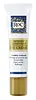
This anti-aging eye moisturizer is formulated around Panthenol and Retinol to soften the look of wrinkles and refine skin texture.
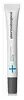
This barrier-repair eye mask is formulated around Saccharomyces Ferment Lysate Filtrate and Niacinamide to strengthen the skin barrier.


What's inside
What's inside
 Key Ingredients
Benefits
Concerns
Ingredients Side-by-side
Water
Skin ConditioningGlycerin
Humectant


Lactose
HumectantC12-15 Alkyl Benzoate
AntimicrobialCetearyl Ethylhexanoate
Emollient

PEG-100 Stearate
Surfactant
Glyceryl Stearate
Emollient
PEG-8
HumectantStearyl Alcohol
Emollient
Tromethamine
BufferingPanthenol
Skin Conditioning

Carbomer
Emulsion StabilisingIsopropyl Myristate
Emollient



Methylparaben
Preservative


Disodium EDTA
ChelatingBHT
Antioxidant
Propylparaben
Preservative
Magnesium Aspartate
Skin ConditioningZinc Gluconate
Skin Conditioning



Chlorhexidine Digluconate
Antimicrobial
Retinol
Skin Conditioning




Polysorbate 20
Emulsifying
Copper Gluconate
Skin Conditioning
Water, Glycerin, Lactose, C12-15 Alkyl Benzoate, Cetearyl Ethylhexanoate, PEG-100 Stearate, Glyceryl Stearate, PEG-8, Stearyl Alcohol, Tromethamine, Panthenol, Carbomer, Isopropyl Myristate, Methylparaben, Disodium EDTA, BHT, Propylparaben, Magnesium Aspartate, Zinc Gluconate, Chlorhexidine Digluconate, Retinol, Polysorbate 20, Copper Gluconate
Water
Skin ConditioningDimethicone
Emollient
Pentylene Glycol
Skin Conditioning
Sorbitol
Humectant
Simmondsia Chinensis Seed Oil
Emollient
Butylene Glycol
Humectant
Glycerin
Humectant
PEG-40 Hydrogenated Castor Oil
Emulsifying
Saccharomyces Ferment Lysate Filtrate
Skin Conditioning
Tephrosia Purpurea Seed Extract
Skin ConditioningHydrolyzed Sodium Hyaluronate
Skin Conditioning
Niacinamide
Smoothing
Diglucosyl Gallic Acid
Citrus Reticulata Leaf Oil
Masking

Ammonium Acryloyldimethyltaurate/Vp Copolymer
Maris Aqua
HumectantPropanediol
Solvent
Sodium Hyaluronate
Humectant
Vetiveria Zizanoides Root Oil
Masking
Lavandula Angustifolia Oil
Masking
Rosa Damascena Flower Oil
Masking
Salvia Sclarea Oil
Masking
Hydrolyzed Algin
Aniba Rosaeodora Wood Oil
Astringent
Cananga Odorata Flower Oil
Masking
Glyceryl Stearate Se
Emulsifying
Methyl Lactate
Perfuming
PEG-100 Stearate
Surfactant
Acrylates/C10-30 Alkyl Acrylate Crosspolymer
Emulsion StabilisingTocopherol
Antioxidant
Sucrose
Humectant
Caprylic/Capric Triglyceride
Masking
Ethylhexylglycerin
Skin ConditioningSodium Hydroxide
BufferingTetrasodium Glutamate Diacetate
ChelatingAminomethyl Propanol
BufferingXanthan Gum
EmulsifyingLinalool
Perfuming
Geraniol
Perfuming
Phenoxyethanol
Preservative
Water, Dimethicone, Pentylene Glycol, Sorbitol, Simmondsia Chinensis Seed Oil, Butylene Glycol, Glycerin, PEG-40 Hydrogenated Castor Oil, Saccharomyces Ferment Lysate Filtrate, Tephrosia Purpurea Seed Extract, Hydrolyzed Sodium Hyaluronate, Niacinamide, Diglucosyl Gallic Acid, Citrus Reticulata Leaf Oil, Ammonium Acryloyldimethyltaurate/Vp Copolymer, Maris Aqua, Propanediol, Sodium Hyaluronate, Vetiveria Zizanoides Root Oil, Lavandula Angustifolia Oil, Rosa Damascena Flower Oil, Salvia Sclarea Oil, Hydrolyzed Algin, Aniba Rosaeodora Wood Oil, Cananga Odorata Flower Oil, Glyceryl Stearate Se, Methyl Lactate, PEG-100 Stearate, Acrylates/C10-30 Alkyl Acrylate Crosspolymer, Tocopherol, Sucrose, Caprylic/Capric Triglyceride, Ethylhexylglycerin, Sodium Hydroxide, Tetrasodium Glutamate Diacetate, Aminomethyl Propanol, Xanthan Gum, Linalool, Geraniol, Phenoxyethanol
Ingredients Explained
These ingredients are found in both products.
Ingredients higher up in an ingredient list are typically present in a larger amount.
Glycerin (or glycerol) is a compound naturally found in your skin. It's a powerhouse humectant that pulls water into the stratum corneum.
Topically, glycerin does several things at once:
Your skin makes glycerin on its own (mostly from sebaceous oil breakdown) and shuttles it to your outermost layer of skin, or your epidermis, via aquaporin-3.
Aquaporin-3 is a transporter that is essential for normal skin hydration, elasticity, and repair. Interestingly, mice lacking in AQP3 have dry and less elastic skin that can be fully corrected with glycerin.
This ingredient is non-irritating, plays well with almost every ingredient, and works across all skin types. Typical use is anywhere between 3-10% but can go up to 79% in some leave-on products.
Just know very high concentrations (>40%) can feel tacky in low humidity.
Glycerin is the name for this ingredient in American English. British English uses Glycerol/Glycerine.
Learn more about GlycerinPeg-100 Stearate is an emollient and emulsifier. As an emollient, it helps keep skin soft by trapping moisture in. On the other hand, emulsifiers help prevent oil and water from separating in a product.
PEGS are a hydrophilic polyether compound . There are 100 ethylene oxide monomers in Peg-100 Stearate. Peg-100 Stearate is polyethylene glycol ester of stearic acid.
Water. It's the most common cosmetic ingredient of all. You'll usually see it at the top of ingredient lists, meaning that it makes up the largest part of the product.
So why is it so popular? Water most often acts as a solvent - this means that it helps dissolve other ingredients into the formulation.
You'll also recognize water as that liquid we all need to stay alive. If you see this, drink a glass of water. Remember to stay hydrated!
Learn more about Water

