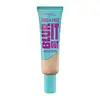
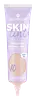
Rimmel London Kind & Free Blur It Out Mattifying Skin Tint Versus Essence Hydrating Skin Tint SPF 30


What's inside
What's inside
 Key Ingredients
Benefits
Concerns
No concerns
Ingredients Side-by-side
Water
Skin ConditioningDimethicone
Emollient

Zinc Oxide
Cosmetic Colorant


Caprylyl Methicone
Skin Conditioning
Glycerin
Humectant

Silica
Abrasive

Isododecane
EmollientCetyl PEG/PPG-10/1 Dimethicone
Emulsifying
PEG-10 Dimethicone
Skin Conditioning
Corn Starch Modified
AbsorbentNiacinamide
Smoothing







Polysilicone-11
Triethoxycaprylylsilane
Kaolin
Abrasive
Sodium Chloride
MaskingTocopheryl Acetate
Antioxidant

Bisabolol
Antioxidant
1,2-Hexanediol
Skin Conditioning
Caprylyl Glycol
Emollient
Chlorphenesin
Antimicrobial
Disteardimonium Hectorite
StabilisingPropanediol
Solvent
Propylene Carbonate
SolventCentella Asiatica Leaf Extract
Skin Conditioning
Nelumbo Nucifera Flower Extract
Skin ConditioningNymphaea Caerulea Flower Extract
Skin ConditioningPentaerythrityl Tetra-Di-T-Butyl Hydroxyhydrocinnamate
Antioxidant
CI 77891
Cosmetic ColorantCI 77491
Cosmetic ColorantCI 77492
Cosmetic ColorantCI 77499
Cosmetic ColorantWater, Dimethicone, Zinc Oxide, Caprylyl Methicone, Glycerin, Silica, Isododecane, Cetyl PEG/PPG-10/1 Dimethicone, PEG-10 Dimethicone, Corn Starch Modified, Niacinamide, Polysilicone-11, Triethoxycaprylylsilane, Kaolin, Sodium Chloride, Tocopheryl Acetate, Bisabolol, 1,2-Hexanediol, Caprylyl Glycol, Chlorphenesin, Disteardimonium Hectorite, Propanediol, Propylene Carbonate, Centella Asiatica Leaf Extract, Nelumbo Nucifera Flower Extract, Nymphaea Caerulea Flower Extract, Pentaerythrityl Tetra-Di-T-Butyl Hydroxyhydrocinnamate, CI 77891, CI 77491, CI 77492, CI 77499
Water
Skin ConditioningTitanium Dioxide
Cosmetic Colorant
Tributyl Citrate
SolventButylene Glycol
Humectant
Dicaprylyl Ether
Emollient
Ethylhexyl Triazone
UV Absorber
Myristyl Lactate
Emollient


C13-15 Alkane
SolventSilica
Abrasive
Diethylamino Hydroxybenzoyl Hexyl Benzoate
UV Filter
Bis-Ethylhexyloxyphenol Methoxyphenyl Triazine
UV Absorber
Polyglyceryl-6 Polyricinoleate
Emulsifying

Polyglyceryl-6 Polyhydroxystearate
Emulsifying
Talc
Abrasive
Magnesium Sulfate
Dimethicone/Vinyl Dimethicone Crosspolymer
Skin Conditioning
Aloe Barbadensis Leaf Juice Powder
Skin Conditioning
Sodium Hyaluronate
Humectant
Tocopherol
Antioxidant
Cetyl Alcohol
Emollient
Dextrin Palmitate
Emulsifying
Polyglycerin-6
HumectantXanthan Gum
EmulsifyingTriethoxycaprylylsilane
Phenoxyethanol
Preservative
CI 77491
Cosmetic ColorantCI 77492
Cosmetic ColorantCI 77499
Cosmetic ColorantWater, Titanium Dioxide, Tributyl Citrate, Butylene Glycol, Dicaprylyl Ether, Ethylhexyl Triazone, Myristyl Lactate, C13-15 Alkane, Silica, Diethylamino Hydroxybenzoyl Hexyl Benzoate, Bis-Ethylhexyloxyphenol Methoxyphenyl Triazine, Polyglyceryl-6 Polyricinoleate, Polyglyceryl-6 Polyhydroxystearate, Talc, Magnesium Sulfate, Dimethicone/Vinyl Dimethicone Crosspolymer, Aloe Barbadensis Leaf Juice Powder, Sodium Hyaluronate, Tocopherol, Cetyl Alcohol, Dextrin Palmitate, Polyglycerin-6, Xanthan Gum, Triethoxycaprylylsilane, Phenoxyethanol, CI 77491, CI 77492, CI 77499
Reviews
Ingredients Explained
These ingredients are found in both products.
Ingredients higher up in an ingredient list are typically present in a larger amount.
Ci 77491 is also hydrated iron III oxide. It's sole purpose is to give a red/pink hue to products.
Iron III oxides are classified as inorganic chemicals for coloring.
Synthetically created Ci 77491 is considered safer than those naturally found. This is because the synthetically created version may contain less impurities. Iron oxides are generally non-toxic and non-allergenic.
Learn more about CI 77491CI 77492 is also hydrated iron III oxide. It's sole purpose is to give a yellow hue to products.
Iron III oxides are classified as inorganic chemicals for coloring.
Synthetically created CI 77492 is considered safer than those naturally found. This is because the synthetically created version may contain less impurities. Iron oxides are generally non-toxic and non-allergenic.
Learn more about CI 77492Ci 77499 is also hydrated iron III oxide. It is created from mixing red and black iron oxides. This helps give shades of darkness to a product.
Iron III oxides are classified as inorganic chemicals for coloring.
Silica, also known as silicon dioxide, is a naturally occurring mineral. It is used as a fine, spherical, and porous powder in cosmetics.
Though it has exfoliant properties, the function of silica varies depending on the product.
The unique structure of silica enhances the spreadability and adds smoothness, making it a great texture enhancer.
It is also used as an active carrier, emulsifier, and mattifier due to its ability to absorb excess oil.
In some products, tiny microneedles called spicules are made from silica or hydrolyzed sponge. When you rub them in, they lightly polish away dead skin layers and enhance the penetration of active ingredients.
Learn more about SilicaTriethoxycaprylylsilane is a silicon-based surface modifier that makes sunscreens feel silky and makeup stay put.
Its main job is to coat mineral particles like titanium dioxide, zinc oxide, and color pigments in a thin, oily layer so they spread smoothly, don't clump, and stick to skin better.
This ingredient is typically used at low levels (up to 2.5% in eyeshadow and 1% in lipstick).
Learn more about TriethoxycaprylylsilaneWater. It's the most common cosmetic ingredient of all. You'll usually see it at the top of ingredient lists, meaning that it makes up the largest part of the product.
So why is it so popular? Water most often acts as a solvent - this means that it helps dissolve other ingredients into the formulation.
You'll also recognize water as that liquid we all need to stay alive. If you see this, drink a glass of water. Remember to stay hydrated!
Learn more about Water

