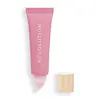
This anti-aging lip moisturizer is formulated around Persea Gratissima Oil and Squalane to soften the look of wrinkles and hydrate lips.

What's inside
What's inside
 Key Ingredients
Benefits
Concerns
Ingredients Side-by-side
Hydrogenated Polyisobutene
EmollientPolyisobutene
Diisostearyl Malate
EmollientBis-Behenyl/Isostearyl/Phytosteryl Dimer Dilinoleyl Dimer Dilinoleate
EmollientHydrogenated Styrene/Isoprene Copolymer
Cera Microcristallina
Emulsion StabilisingEthylene/Propylene/Styrene Copolymer
Aroma


Pentaerythrityl Tetra-Di-T-Butyl Hydroxyhydrocinnamate
Antioxidant
Prunus Avium Seed Oil
Emollient


Tocopheryl Acetate
Antioxidant

Persea Gratissima Oil
Skin Conditioning


Squalane
Emollient

Helianthus Annuus Seed Oil
Emollient
Ethylhexyl Palmitate
Emollient
Butylene/Ethylene/Styrene Copolymer
Tribehenin
Emollient
Tocopherol
Antioxidant

Sorbitan Isostearate
Emulsifying
Aluminum Hydroxide
EmollientLactic Acid
Buffering





Anthemis Nobilis Flower Extract
Masking
Palmitoyl Tripeptide-1
Skin Conditioning
CI 45410
Cosmetic ColorantCI 19140
Cosmetic ColorantCI 77891
Cosmetic ColorantCI 42090
Cosmetic ColorantCI 77491
Cosmetic ColorantCI 77492
Cosmetic ColorantCI 77499
Cosmetic ColorantCI 15850
Cosmetic ColorantHydrogenated Polyisobutene, Polyisobutene, Diisostearyl Malate, Bis-Behenyl/Isostearyl/Phytosteryl Dimer Dilinoleyl Dimer Dilinoleate, Hydrogenated Styrene/Isoprene Copolymer, Cera Microcristallina, Ethylene/Propylene/Styrene Copolymer, Aroma, Pentaerythrityl Tetra-Di-T-Butyl Hydroxyhydrocinnamate, Prunus Avium Seed Oil, Tocopheryl Acetate, Persea Gratissima Oil, Squalane, Helianthus Annuus Seed Oil, Ethylhexyl Palmitate, Butylene/Ethylene/Styrene Copolymer, Tribehenin, Tocopherol, Sorbitan Isostearate, Aluminum Hydroxide, Lactic Acid, Anthemis Nobilis Flower Extract, Palmitoyl Tripeptide-1, CI 45410, CI 19140, CI 77891, CI 42090, CI 77491, CI 77492, CI 77499, CI 15850
Phenyl Trimethicone
Skin Conditioning
Dimethicone
Emollient
Paraffin
Skin Conditioning
Caprylic/Capric Triglyceride
Masking
Isononyl Isononanoate
EmollientSilica
Abrasive
Hydrogenated Polyisobutene
EmollientDiisostearyl Malate
EmollientOctyldodecanol
Emollient
Dimethicone/Vinyl Dimethicone Crosspolymer
Skin Conditioning
Ozokerite
Emulsion StabilisingVinyl Dimethicone/Methicone Silsesquioxane Crosspolymer
Euphorbia Cerifera Cera
Astringent
Cera Microcristallina
Emulsion StabilisingSimmondsia Chinensis Seed Oil
Emollient
Phenoxyethanol
Preservative
Caprylyl Glycol
Emollient
Tocopheryl Acetate
Antioxidant
Ascorbyl Tetraisopalmitate
Antioxidant
Ethylhexylglycerin
Skin ConditioningLimnanthes Alba Seed Oil
Skin Conditioning
Glyceryl Behenate
Emollient
Sodium Hyaluronate
Humectant
CI 77891
Cosmetic ColorantCI 77491
Cosmetic ColorantCI 15850
Cosmetic ColorantPhenyl Trimethicone, Dimethicone, Paraffin, Caprylic/Capric Triglyceride, Isononyl Isononanoate, Silica, Hydrogenated Polyisobutene, Diisostearyl Malate, Octyldodecanol, Dimethicone/Vinyl Dimethicone Crosspolymer, Ozokerite, Vinyl Dimethicone/Methicone Silsesquioxane Crosspolymer, Euphorbia Cerifera Cera, Cera Microcristallina, Simmondsia Chinensis Seed Oil, Phenoxyethanol, Caprylyl Glycol, Tocopheryl Acetate, Ascorbyl Tetraisopalmitate, Ethylhexylglycerin, Limnanthes Alba Seed Oil, Glyceryl Behenate, Sodium Hyaluronate, CI 77891, CI 77491, CI 15850
Ingredients Explained
These ingredients are found in both products.
Ingredients higher up in an ingredient list are typically present in a larger amount.
Cera Microcristallina, aka microcrystalline wax, is a petroleum-derived wax that helps thicken texture and stabilize the oils in formulas.
It also has mild occlusive properties that creates a film on skin to slow down water loss.
The CIR Expert Panel has concluded this ingredient to be safe as used in cosmetics.
This ingredient is refined to a cosmetic grade with high purity. It is chemically inert, stable, and doesn't clog pores (petroleum has a comedogenic rating of 0).
Malassezia feeds on fatty acids roughly in the C11-24 range and this ingredient contains none of those. Since there's no plausible food source for it here, this ingredient is fungal acne safe.
Learn more about Cera MicrocristallinaCi 15850 is the pigment color red. It is an azo dye and created synthetically.
Azo dyes need to be thoroughly purified before use. This allows them to be more stable and longer-lasting.
This ingredient is common in foundations, lipsticks, and blushes. This color is described as brown/orangey red.
It has many secondary names such as Red 6 and Red 7. According to a manufacturer, Red 6 usually contains aluminum.
Learn more about CI 15850Ci 77491 is also hydrated iron III oxide. It's sole purpose is to give a red/pink hue to products.
Iron III oxides are classified as inorganic chemicals for coloring.
Synthetically created Ci 77491 is considered safer than those naturally found. This is because the synthetically created version may contain less impurities. Iron oxides are generally non-toxic and non-allergenic.
Learn more about CI 77491Ci 77891 is a white pigment from Titanium dioxide. It is naturally found in minerals such as rutile and ilmenite.
It's main function is to add a white color to cosmetics. It can also be mixed with other colors to create different shades.
Ci 77891 is commonly found in sunscreens due to its ability to block UV rays.
Learn more about CI 77891Diisostearyl Malate is an emollient and most often used in lip products. It comes from isostearyl alcohol, a fatty acid, and malic acid, an AHA.
As an emollient, Diisostearyl Malate helps create a thin film on your skin to trap moisture in. This helps keep your skin soft and smooth.
Hydrogenated Polyisobutene is a synthetic polymer. Polymers are compounds with high molecular weight. Hydrogenated Polyisobutene is an emollient and texture enhancer.
In one study, Hydrogenated Polyisobutene showed better skin hydration levels than Caprylic/Capric Triglyceride. As an emollient, it helps keep your skin soft and hydrated by trapping moisture in.
Hydrogenated Polyisobutene is often used as a mineral oil replacement.
Learn more about Hydrogenated PolyisobuteneTocopheryl Acetate is a stable, shelf-friendly form of vitamin E.
Formulators love it because plain vitamin E oxidizes quickly once it hits air. This acetate version stays stable and resists going off, helping to extend a product's shelf life.
It's actually inactive on its own and works like a slow-release "storage" form; the enzymes in your skin called esterases gradually convert it into active vitamin E over time.
One in vivo study showed 5% of the acetate in the living layer of the epidermis converted to vitamin E after 5 days of application. This study also found the skin gained protection against UV damage even though the conversion was slow and small.
Once converted, vitamin E acts as a skin's main fat-soluble antioxidant that fights free radicals to protect skin from damage.
Topical vitamin E generally boosts the skin's photoprotection, and it reduced UV-damage in animal models.
This ingredient has some brightening potential but it's more of a prevention ingredient than spot-fader. Cell studies show it can slow down melanin production but it's worth noting that it's not the most powerful brightener out there.
Overall, it has a pretty solid safety profile and has been found to be non-irritating and non-comedogenic. Allergic reactions may happen but stay rare due to how widely the ingredient gets used.
The concentration will vary depending on the formula; industry data shows 0.1% in baby lotions, 3% in lipsticks, and 5% in foot powders. You can also find this ingredient at 100% in a pure vitamin E oil.
Most leave-on skincare keeps it at the lower end, often between 0.5-1%.
Learn more about Tocopheryl Acetate

