
What's inside
What's inside
 Key Ingredients
Benefits
Concerns
Ingredients Side-by-side
Water
Skin ConditioningNiacinamide
Smoothing










Hydroxyethylcellulose
Emulsion StabilisingGlycolic Acid
Buffering



Kojic Acid
Antioxidant

Arbutin
Antioxidant
Aminopropyl Ascorbyl Phosphate
Antioxidant
Resveratrol
Antioxidant
Arctostaphylos Uva-Ursi Leaf Extract
Skin ConditioningGlycyrrhiza Glabra Root Extract
Bleaching
Glycerin
Humectant
Allantoin
Skin Conditioning
Sodium Hydroxide
BufferingGlyceryl Caprylate
EmollientCitric Acid
Buffering
Glyceryl Undecylenate
Emollient
Potassium Sorbate
Preservative
Sodium Benzoate
Masking
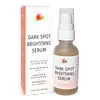
Water, Niacinamide, Hydroxyethylcellulose, Glycolic Acid, Kojic Acid, Arbutin, Aminopropyl Ascorbyl Phosphate, Resveratrol, Arctostaphylos Uva-Ursi Leaf Extract, Glycyrrhiza Glabra Root Extract, Glycerin, Allantoin, Sodium Hydroxide, Glyceryl Caprylate, Citric Acid, Glyceryl Undecylenate, Potassium Sorbate, Sodium Benzoate
Water
Skin ConditioningPEG-12 Dimethicone
Skin Conditioning
Aminopropyl Ascorbyl Phosphate
Antioxidant
Ferulic Acid
Antimicrobial
Lactic Acid
Buffering
Glycolic Acid
Buffering
Glycerin
Humectant
Palmitoyl Tripeptide-1
Skin Conditioning
Palmitoyl Tetrapeptide-7
Skin Conditioning
Aloe Barbadensis Leaf Juice Powder
Skin Conditioning
Tocopherol
Antioxidant
Helianthus Annuus Extract
Emollient
Oryza Sativa Bran Extract
Skin Conditioning
Rosmarinus Officinalis Leaf Extract
AntimicrobialButylene Glycol
Humectant
Xanthan Gum
EmulsifyingPhenoxyethanol
Preservative
Caprylyl Glycol
Emollient
Hexylene Glycol
EmulsifyingEthylhexylglycerin
Skin ConditioningTetrasodium Glutamate Diacetate
Parfum
Masking
Sodium Hydroxide
BufferingVanillin
Masking

Malonic Acid
BufferingCarbomer
Emulsion StabilisingSodium Lactate
BufferingPolysorbate 20
Emulsifying
Limonene
Perfuming
Linalool
Perfuming
Citronellol
Perfuming
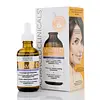
Water, PEG-12 Dimethicone, Aminopropyl Ascorbyl Phosphate, Ferulic Acid, Lactic Acid, Glycolic Acid, Glycerin, Palmitoyl Tripeptide-1, Palmitoyl Tetrapeptide-7, Aloe Barbadensis Leaf Juice Powder, Tocopherol, Helianthus Annuus Extract, Oryza Sativa Bran Extract, Rosmarinus Officinalis Leaf Extract, Butylene Glycol, Xanthan Gum, Phenoxyethanol, Caprylyl Glycol, Hexylene Glycol, Ethylhexylglycerin, Tetrasodium Glutamate Diacetate, Parfum, Sodium Hydroxide, Vanillin, Malonic Acid, Carbomer, Sodium Lactate, Polysorbate 20, Limonene, Linalool, Citronellol
Ingredients Explained
These ingredients are found in both products.
Ingredients higher up in an ingredient list are typically present in a larger amount.
Aminopropyl Ascorbyl Phosphate (AAP) is a form of Vitamin C. AAP was made as a more stable alternative to Ascorbic Acid by combining Ascorbic Acid (pure Vitamin C) with 3-aminoproply dehydrogen phosphate.
As a type of Vitamin C, it has antioxidant properties. Antioxidants help fight free-radical molecules, or molecules that may damage your skin cells.
AAP has been shown to help reduce signs of hyperigmentation and age-spots.
AAP is water soluble.
Vitamin C can help to reduce redness, improve skin texture, reduce the effects of aging, and reduce the visibility of dark spots.
Read more about other types of Vitamin C:
Learn more about Aminopropyl Ascorbyl PhosphateGlycerin is already naturally found in your skin. It helps moisturize and protect your skin.
A study from 2016 found glycerin to be more effective as a humectant than AHAs and hyaluronic acid.
As a humectant, it helps the skin stay hydrated by pulling moisture to your skin. The low molecular weight of glycerin allows it to pull moisture into the deeper layers of your skin.
Hydrated skin improves your skin barrier; Your skin barrier helps protect against irritants and bacteria.
Glycerin has also been found to have antimicrobial and antiviral properties. Due to these properties, glycerin is often used in wound and burn treatments.
In cosmetics, glycerin is usually derived from plants such as soybean or palm. However, it can also be sourced from animals, such as tallow or animal fat.
This ingredient is organic, colorless, odorless, and non-toxic.
Glycerin is the name for this ingredient in American English. British English uses Glycerol/Glycerine.
Learn more about GlycerinGlycolic Acid is arguably the most famous alpha hydroxy acid (AHA) with tons of research backing its benefits.
It is found naturally in sugar cane but the form used in skincare is usually synthetic for purity and stability.
Glycolic acid removes the top layer of dead skin cells to allow newer and fresher ones to emerge.
AHAs work by breaking down the structural “glue” that holds old skin cells in place. When that buildup is gone, your skin can renew itself more efficiently.
Research also shows glycolic acid stimulates collagen production, helping to firm and thicken the skin over time. This is one of its biggest advantages over other AHAs.
Overall, glycolic acid helps with:
Fun fact: Glycolic acid boosts skin hydration by helping it produce molecules that increase hyaluronic acid naturally.
To work best, glycolic acid products should have a pH between 3-4 (that’s where exfoliation is most effective but still gentle on skin).
The pH and concentration of a product are key to its effectiveness:
It is normal to feel a slight stinging sensation when using glycolic acid. This usually fades as your skin adjusts.
Because glycolic acid has the smallest molecular size in the AHA family, it can penetrate deeper, which enhances its effectiveness but also makes it more likely to irritate sensitive skin.
If your skin is very sensitive or prone to rosacea, glycolic acid may be too strong; in that case, try milder options like lactic acid or a PHA instead.
Recent studies suggest glycolic acid might even help protect against UV damage. But don’t skip sunscreen! Freshly exfoliated skin is more sensitive to the sun.
Glycolic acid is a skincare superstar. It smooths, brightens, hydrates, and firms the skin. Unless you’re highly sensitive, it’s well worth adding to your routine.
Read more about some other popular AHA's here:
Learn more about Glycolic AcidSodium Hydroxide is also known as lye or caustic soda. It is used to adjust the pH of products; many ingredients require a specific pH to be effective.
In small amounts, sodium hydroxide is considered safe to use. However, large amounts may cause chemical burns due to its high alkaline.
Your skin has a natural pH and acid mantle. This acid mantle helps prevent harmful bacteria from breaking through. The acid mantle also helps keep your skin hydrated.
"Alkaline" refers to a high pH level. A low pH level would be considered acidic.
Learn more about Sodium HydroxideWater. It's the most common cosmetic ingredient of all. You'll usually see it at the top of ingredient lists, meaning that it makes up the largest part of the product.
So why is it so popular? Water most often acts as a solvent - this means that it helps dissolve other ingredients into the formulation.
You'll also recognize water as that liquid we all need to stay alive. If you see this, drink a glass of water. Stay hydrated!
Learn more about Water
