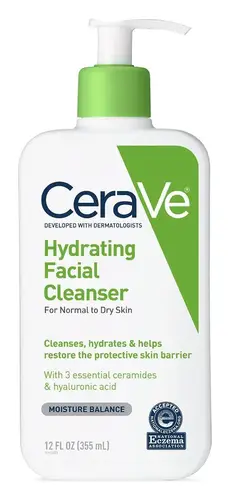
This salicylic acid gel cleanser is formulated around Salicylic Acid to clear breakouts and unclog pores.
This mild foaming cleanser is made to cleanse without leaving your skin tight or dry.

What's inside
What's inside
 Key Ingredients
Benefits
Concerns
Ingredients Side-by-side
Water
Skin ConditioningCocamidopropyl Hydroxysultaine
Cleansing
Sodium Lauroyl Methyl Isethionate
CleansingGlycerin
Humectant


Propanediol
Solvent
Sodium Laurylglucosides Hydroxypropylsulfonate
CleansingPyrus Malus Fruit Extract
Skin Conditioning
Salicylic Acid
Masking










Ceramide NP
Skin Conditioning



Niacinamide
Smoothing

Camellia Sinensis Leaf Extract
Antimicrobial
Curcuma Longa Root Extract
Antioxidant
Acrylates/C10-30 Alkyl Acrylate Crosspolymer
Emulsion StabilisingSodium Hydroxide
BufferingPotassium Sorbate
Preservative
Sodium Chloride
MaskingTrisodium Ethylenediamine Disuccinate
ChelatingSodium Benzoate
Masking
Sodium Phytate
ChelatingPhenoxyethanol
Preservative
Water, Cocamidopropyl Hydroxysultaine, Sodium Lauroyl Methyl Isethionate, Glycerin, Propanediol, Sodium Laurylglucosides Hydroxypropylsulfonate, Pyrus Malus Fruit Extract, Salicylic Acid, Ceramide NP, Niacinamide, Camellia Sinensis Leaf Extract, Curcuma Longa Root Extract, Acrylates/C10-30 Alkyl Acrylate Crosspolymer, Sodium Hydroxide, Potassium Sorbate, Sodium Chloride, Trisodium Ethylenediamine Disuccinate, Sodium Benzoate, Sodium Phytate, Phenoxyethanol
Water
Skin ConditioningCocamidopropyl Hydroxysultaine
Cleansing
Glycerin
Humectant
Sodium Methyl Cocoyl Taurate
Cleansing
Sodium Hydroxypropyl Starch Phosphate
Abrasive
Magnesium Aluminum Silicate
Absorbent
Sodium Cocoyl Isethionate
Cleansing
Pyrus Malus Fruit Extract
Skin Conditioning
Glyceryl Stearate Se
Emulsifying


Ceramide NP
Skin Conditioning
Sodium Hyaluronate
Humectant
Panthenol
Skin Conditioning
Bisabolol
Antioxidant
Zingiber Officinale Root Extract
Masking
Curcuma Longa Root Extract
Antioxidant
Leuconostoc/Radish Root Ferment Filtrate
Antimicrobial
Glycol Distearate
Emollient
Cellulose Gum
Emulsion StabilisingHydroxypropyl Guar
Emulsion StabilisingTrisodium Ethylenediamine Disuccinate
ChelatingSodium Lauroyl Lactylate
EmulsifyingSodium PCA
Humectant
Urea
Buffering
Trehalose
Humectant
Polyquaternium-51
Skin Conditioning
Sodium Isethionate
CleansingCoconut Acid
Cleansing
Titanium Dioxide
Cosmetic Colorant

Sodium Chloride
MaskingSodium Hydroxide
BufferingHydroxyacetophenone
Antioxidant
Chlorphenesin
Antimicrobial
Phenoxyethanol
Preservative
Ethylhexylglycerin
Skin ConditioningWater, Cocamidopropyl Hydroxysultaine, Glycerin, Sodium Methyl Cocoyl Taurate, Sodium Hydroxypropyl Starch Phosphate, Magnesium Aluminum Silicate, Sodium Cocoyl Isethionate, Pyrus Malus Fruit Extract, Glyceryl Stearate Se, Ceramide NP, Sodium Hyaluronate, Panthenol, Bisabolol, Zingiber Officinale Root Extract, Curcuma Longa Root Extract, Leuconostoc/Radish Root Ferment Filtrate, Glycol Distearate, Cellulose Gum, Hydroxypropyl Guar, Trisodium Ethylenediamine Disuccinate, Sodium Lauroyl Lactylate, Sodium PCA, Urea, Trehalose, Polyquaternium-51, Sodium Isethionate, Coconut Acid, Titanium Dioxide, Sodium Chloride, Sodium Hydroxide, Hydroxyacetophenone, Chlorphenesin, Phenoxyethanol, Ethylhexylglycerin
Reviews
Ingredients Explained
These ingredients are found in both products.
Ingredients higher up in an ingredient list are typically present in a larger amount.
Ceramide NP (formerly known as Ceramide 3) is one of the skin's naturally occurring lipids.
Since ceramides are the major lipid components of the skin, they are crucial for maintaining skin barrier and hydration. Ceramide NP most closely mirrors the dominant kind in human skin amongst ceramide subtypes.
This ceramide works by slotting into gaps within the stratum corneum's lipid matrix to limit trans-epidermal water loss (TEWL) and shield the skin against external irritants.
A study with 312 patients found that using a ceramide-containing routine for 4 weeks reduced the severity of atopic dermatitis by over 61%.
Another clinical study in subjects aged 60 and older found that a ceramide body wash and moisturizer improved skin dryness and itchy skin in 15 days.
Overall, ceramides are considered non-irritating and safety tests have found little to no observable adverse effects from using this ingredient.
Ceramide NP is usually sourced from plants (like soybean or rice bran), or produced synthetically.
Learn more about Ceramide NPCocamidopropyl Hydroxysultaine is a synthetic cleansing agent, though it is derived from coconut oil.
It is used to enhance the texture of products by boosting lather and thickening the texture. As a cleanser, Cocamidopropyl Hydroxysultaine is mild.
Curcuma Longa Root Extract comes from the rhizome (underground stem) of the turmeric plant.
While the official EU Cosing Database lists this ingredient as a fragrance, it actually does more than give products a scent.
This ingredient contains a group of yellow pigments called curcuminoids (mostly curcumin) that give it genuine antioxidant and anti-inflammatory activity in skin.
Reviews of topical clinical studies have found turmeric/curcumin to be generally well-tolerated and useful across conditions like eczema and mild inflammation.
One thing working in its favor is that curcumin barely penetrates; in lab skin-permeation testing, the curcuminoids mostly stayed in the outermost layer of skin. This is a good thing because its soothing and antioxidant activity is a surface-level job anyway.
At this time, industry data shows there's no single "correct" cosmetic percentage. It's used across a wide range depending on the product and varies from tiny fractions of a percent up to a few percent.
Allergy-wise, curcumin is a documented (but uncommon) contact allergen. It can also cross react with related plants, so anyone with a turmeric/ginger/cinnamon allergy or reactive skin should patch test first.
Learn more about Curcuma Longa Root ExtractGlycerin (or glycerol) is a compound naturally found in your skin. It's a powerhouse humectant that pulls water into the stratum corneum.
Topically, glycerin does several things at once:
Your skin makes glycerin on its own (mostly from sebaceous oil breakdown) and shuttles it to your outermost layer of skin, or your epidermis, via aquaporin-3.
Aquaporin-3 is a transporter that is essential for normal skin hydration, elasticity, and repair. Interestingly, mice lacking in AQP3 have dry and less elastic skin that can be fully corrected with glycerin.
This ingredient is non-irritating, plays well with almost every ingredient, and works across all skin types. Typical use is anywhere between 3-10% but can go up to 79% in some leave-on products.
Just know very high concentrations (>40%) can feel tacky in low humidity.
Glycerin is the name for this ingredient in American English. British English uses Glycerol/Glycerine.
Learn more about GlycerinPhenoxyethanol is one of the most widely used preservatives in skincare (and for good reason!).
It has a large spectrum of antimicrobial activity and especially effective bacteria, yeast, and mold while only having a weak effect on your skin's natural microbiome.
On a cellular level, it disrupts the cell membranes of microbes by poking holes that make the cell leak. This shuts down the chemical reactions the microbe needs to make energy so it can no longer survive.
Another perk of this ingredient is that it stays functional across a wide pH range (3-10).
You'll often see it paired with boosters like Ethylhexylglycerin; one study showed that a 1:9 ratio of Ethylhexylglycerin to Phenoxyethanol damages bacterial membranes as effectively as doubling the Phenoxyethanol concentration on its own.
Typical use concentrations range from 0.3-1% depending on the formula, and this ingredient is capped at 1% int the EU.
Safety-wise, the fear mongering does not hold up to the evidence. The EU's Scientific Committee on Consumer Safety and FDA consider it safe as a preservative at up to 1%, including for children of all ages.
Adverse systemic effects only showed up in animal studies at exposures roughly 200x higher than what people get from cosmetics. And despite its very widespread use, this ingredient is a rare sensitizer and allergic reactions are uncommon.
Learn more about PhenoxyethanolPyrus Malus Fruit Extract is extract from Apples. Apples are rich in Vitamin C, sugars, and antioxidants.
The sugar in Apples are humectants and help hydrate the skin. On top of that, apples also contain some acids, such as malic acid. These acids may have a mild exfoliating effect.
Last, the phytochemicals found in apples are strong antioxidants. These antioxidants help with anti-aging as they protect your skin cells against oxidative damage.
Learn more about Pyrus Malus Fruit ExtractChances are, you eat sodium chloride every day. Sodium Chloride is also known as table salt. This ingredient has many purposes in skincare: thickener, emulsifier, and exfoliator.
You'll most likely find this ingredient in cleansers where it is used to create a gel-like texture. As an emulsifier, it also prevents ingredients from separating.
You might see people debate whether Sodium Chloride is comedogenic, but there actually haven't been any comedogenic tests done on it. Either way, the overall formulation of a product matters a lot more than any single ingredient.
You might see this ingredient used in scrubs as a primary exfoliating ingredient.
Learn more about Sodium ChlorideSodium Hydroxide is also known as lye or caustic soda. It is used to adjust the pH of products; many ingredients require a specific pH to be effective.
In small amounts, sodium hydroxide is considered safe to use. However, large amounts may cause chemical burns due to its high alkaline.
Your skin has a natural pH and acid mantle. This acid mantle helps prevent harmful bacteria from breaking through. The acid mantle also helps keep your skin hydrated.
"Alkaline" refers to a high pH level. A low pH level would be considered acidic.
Learn more about Sodium HydroxideTrisodium Ethylenediamine Disuccinate is used to help stabilize a product.
It is a chelating agent, meaning it helps prevent metal ions from binding to other ingredients. This prevents unwanted reactions in products. Metal ions can come into a product via the water ingredient. They are found in trace amounts and are not known to be harmful.
Water. It's the most common cosmetic ingredient of all. You'll usually see it at the top of ingredient lists, meaning that it makes up the largest part of the product.
So why is it so popular? Water most often acts as a solvent - this means that it helps dissolve other ingredients into the formulation.
You'll also recognize water as that liquid we all need to stay alive. If you see this, drink a glass of water. Remember to stay hydrated!
Learn more about Water