
What's inside
What's inside
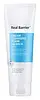 Key Ingredients
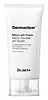
Benefits
Concerns
Ingredients Side-by-side
Water
Skin ConditioningPotassium Cocoyl Glycinate
Surfactant
Disodium Cocoamphodiacetate
CleansingPotassium Cocoate
Emulsifying
Disodium Cocoyl Glutamate
Cleansing
Helianthus Annuus Seed Oil
Emollient


Sodium Sweetalmondamphoacetate
CleansingCarbomer
Emulsion StabilisingMyristoyl/Palmitoyl Oxostearamide/Arachamide Mea
Skin ConditioningDihydroxyisopropyl Palmoylpalmamide
HumectantBrassica Oleracea Italica Sprout Extract
EmollientCentella Asiatica Extract
Cleansing





Madecassoside
Antioxidant
Panthenol
Skin Conditioning
Triticum Vulgare Sprout Extract
Skin ConditioningSpirulina Platensis Extract
Skin ProtectingAllantoin
Skin Conditioning
Tocopheryl Acetate
Antioxidant

Citrus Aurantium Bergamia Fruit Oil
Masking

Cananga Odorata Flower Oil
Masking


Cedrus Atlantica Bark Oil
Masking
Pelargonium Graveolens Flower Oil
Masking
Lavandula Angustifolia Oil
Masking
Citrus Limon Peel Oil
Masking
Vetiveria Zizanoides Root Oil
Masking
Disodium EDTA
1,2-Hexanediol
Skin Conditioning
Caprylyl Glycol
Emollient
Water, Potassium Cocoyl Glycinate, Disodium Cocoamphodiacetate, Potassium Cocoate, Disodium Cocoyl Glutamate, Helianthus Annuus Seed Oil, Sodium Sweetalmondamphoacetate, Carbomer, Myristoyl/Palmitoyl Oxostearamide/Arachamide Mea, Dihydroxyisopropyl Palmoylpalmamide, Brassica Oleracea Italica Sprout Extract, Centella Asiatica Extract, Madecassoside, Panthenol, Triticum Vulgare Sprout Extract, Spirulina Platensis Extract, Allantoin, Tocopheryl Acetate, Citrus Aurantium Bergamia Fruit Oil, Cananga Odorata Flower Oil, Cedrus Atlantica Bark Oil, Pelargonium Graveolens Flower Oil, Lavandula Angustifolia Oil, Citrus Limon Peel Oil, Vetiveria Zizanoides Root Oil, Disodium EDTA, 1,2-Hexanediol, Caprylyl Glycol
Water
Skin ConditioningGlycerin
Humectant
Lauric Acid
Cleansing

Myristic Acid
Cleansing
Potassium Hydroxide
BufferingStearic Acid
Cleansing
Glycol Distearate
Emollient
Palmitic Acid
Emollient
Glyceryl Stearate Se
Emulsifying
Citrus Aurantium Bergamia Fruit Oil
Masking
Pelargonium Graveolens Flower Oil
Masking
Citrus Limon Peel Oil
Masking
Olea Europaea Fruit Oil
Masking
Quillaja Saponaria Bark Extract
CleansingSalvia Officinalis Oil
Masking
Pogostemon Cablin Leaf Oil
Masking
Pinus Sylvestris Leaf Oil
Masking
Citrus Aurantium Dulcis Oil
Masking
Citrus Grandis Peel Oil
Masking
Salvia Sclarea Oil
Masking
Aniba Rosodora Wood Oil
Astringent
Lavandula Angustifolia Oil
Masking
Cedrus Atlantica Bark Oil
Masking
Eucalyptus Globulus Leaf Oil
Perfuming
Milk Lipids
Skin Conditioning
Jasminum Officinale Oil
Masking
Sea Salt
Abrasive
Artemisia Absinthium Extract
Skin ConditioningMyrtus Communis Oil
Masking
Rosa Damascena Flower Oil
Masking
Vanilla Planifolia Fruit Extract
Skin Conditioning
Ferula Galbaniflua Resin Oil
Antimicrobial
Coco-Glucoside
Cleansing
Polyquaternium-7
Acrylates/C10-30 Alkyl Acrylate Crosspolymer
Emulsion StabilisingSodium Cocoyl Isethionate
Cleansing
1,2-Hexanediol
Skin Conditioning
Citric Acid
Buffering
Theanine
EmollientGlutathione

Copaifera Officinalis Resin
MaskingDisodium EDTA
Sodium Benzoate
Masking
Water, Glycerin, Lauric Acid, Myristic Acid, Potassium Hydroxide, Stearic Acid, Glycol Distearate, Palmitic Acid, Glyceryl Stearate Se, Citrus Aurantium Bergamia Fruit Oil, Pelargonium Graveolens Flower Oil, Citrus Limon Peel Oil, Olea Europaea Fruit Oil, Quillaja Saponaria Bark Extract, Salvia Officinalis Oil, Pogostemon Cablin Leaf Oil, Pinus Sylvestris Leaf Oil, Citrus Aurantium Dulcis Oil, Citrus Grandis Peel Oil, Salvia Sclarea Oil, Aniba Rosodora Wood Oil, Lavandula Angustifolia Oil, Cedrus Atlantica Bark Oil, Eucalyptus Globulus Leaf Oil, Milk Lipids, Jasminum Officinale Oil, Sea Salt, Artemisia Absinthium Extract, Myrtus Communis Oil, Rosa Damascena Flower Oil, Vanilla Planifolia Fruit Extract, Ferula Galbaniflua Resin Oil, Coco-Glucoside, Polyquaternium-7, Acrylates/C10-30 Alkyl Acrylate Crosspolymer, Sodium Cocoyl Isethionate, 1,2-Hexanediol, Citric Acid, Theanine, Glutathione, Copaifera Officinalis Resin, Disodium EDTA, Sodium Benzoate
Reviews
Ingredients Explained
These ingredients are found in both products.
Ingredients higher up in an ingredient list are typically present in a larger amount.
1,2-Hexanediol is a synthetic liquid and another multi-functional powerhouse.
It is a:
- Humectant, drawing moisture into the skin
- Emollient, helping to soften skin
- Solvent, dispersing and stabilizing formulas
- Preservative booster, enhancing the antimicrobial activity of other preservatives
This ingredient comes from the bark of the Cedarwood tree.
Though this oil exhibits antibacterial and antioxidant activity, it is also contains skin-irritating fragrances such as limonene.
In 2023, it was listed as an EU known-allergen.
Learn more about Cedrus Atlantica Bark OilCitrus Aurantium Bergamia Fruit Oil is the oil from the bergamot orange and is primarily used as a fragrance. It has a "fresh" and "bright orange" scent.
The main aroma compounds found in this ingredient are limonene (~27-52%), linalool (~2-22%), and linalyl acetate (~27-40%). These are known EU fragrance allergens.
The term 'fragrance' is not regulated in many countries. In many cases, it is up to the brand to define this term. For instance, many brands choose to label themselves as "fragrance-free" because they are not using synthetic fragrances. However, their products may still contain ingredients such as essential oils that are considered a fragrance.
When used topically, Citrus Aurantium Bergamia Fruit Oil is a photosensitizer due to the furanocoumarin content. Furanocoumarins absorb UV-A and cause phytophotodermatitis; this can look like redness, blistering, and lasting brown pigmentation on sun-exposed skin.
Due to this, this ingredient is capped at 0.4% in leave-on products applied to sun exposed skin.
Many modern formulas used a "furanocoumarin-free" version that sidesteps the phototoxicity issue, but still contains the fragrance allergens.
Learn more about Citrus Aurantium Bergamia Fruit OilCitrus Limon Peel Oil is created from the peels of the lemon. It is used to add a lemon-scent to products. Lemon peel oil also has antibacterial, antifungal, and antioxidant properties. However, it may also cause phototoxicity and sensitize skin.
Lemon peel oil contains limonene, a skin sensitizing ingredient. Another component is furanocoumarin, which induces phototoxicity in skin.
Furanocoumarins bind and destabilize your DNA to increase the rate of sunburn.
Most reputable companies will remove furanocoumarins from their formulations.
Learn more about Citrus Limon Peel OilDisodium EDTA is a chelating agent. It grabs onto and deactivates metal ions that sneak into your products from water, packaging, or air.
This ingredient mainly works behind the scenes and helps with:
On top of that, this ingredient can counteract the effects of hard water by binding to the minerals in it.
One thing worth knowing is that Disodium EDTA has been shown to be a mild penetration enhancer. It can help other ingredients absorb into skin more effectively which can be a double-edged sword (great for actives, but can also make the active too strong if you have sensitive skin).
Clinical patch testing showed no significant skin irritation at typical use concentrations and minimal dermal absorption.
You'll most likely see this ingredient near the end of an ingredient list. It's typically found in concentrations less than 1%.
Learn more about Disodium EDTALavandula Angustifolia Oil is more commonly known as lavender essential oil. It is considered a fragrancing ingredient.
Lavender imparts a famous scent. While the smell is lovely, this ingredient and may sensitize skin in topical products. This is because about 85% of the oil is made up of linalool and linalyl acetate.
When exposed to air, these two compounds become strong allergens. This ingredient exhibits cytotoxicity at low concentrations; amounts of 0.25% have been shown to damage skin cells.
A study from Japan found this ingredient caused lavender sensitivity after widespread exposure.
Lavender essential oil has some antimicrobial, antibacterial, and anti-inflammatory properties. However, the cons of this ingredient may outweight the pros.
More research is needed to confirm lavender essential oil's effects when used in aromatherapy.
Lavandula Angustifolia is known as the English Lavender and famous for creating purple fields in Provence, France.
Learn more about Lavandula Angustifolia OilPelargonium Graveolens Flower Oil is the pressed oil of the Rose Geranium plant. It is volatile, meaning it evaporates off the skin.
Fragrant components of Rose Geranium include citronellol and geraniol. These may cause allergies and skin-sensitivity. We recommend speaking with a professional if you have any concerns.
The scent of Rose Geranium closely resembles traditional roses.
Learn more about Pelargonium Graveolens Flower OilWater. It's the most common cosmetic ingredient of all. You'll usually see it at the top of ingredient lists, meaning that it makes up the largest part of the product.
So why is it so popular? Water most often acts as a solvent - this means that it helps dissolve other ingredients into the formulation.
You'll also recognize water as that liquid we all need to stay alive. If you see this, drink a glass of water. Remember to stay hydrated!
Learn more about Water
