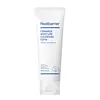
This mild foaming cleanser is made to cleanse while respecting your skin barrier.

What's inside
What's inside
 Key Ingredients
Benefits
Concerns
Ingredients Side-by-side
Water
Skin ConditioningGlycerin
Humectant


Sodium Cocoyl Glycinate
Cleansing
Sodium Lauroyl Glutamate
SurfactantHydroxypropyl Starch Phosphate
Potassium Benzoate
Preservative
Glyceryl Stearate Se
Emulsifying




Citric Acid
Buffering

Sodium Chloride
MaskingPolyquaternium-67
Ethylhexylglycerin
Skin ConditioningDisodium EDTA
Butylene Glycol
Humectant
Caprylic/Capric Triglyceride
Masking
Ceramide NP
Skin Conditioning



Hydrogenated Lecithin
Emulsifying
Myristoyl/Palmitoyl Oxostearamide/Arachamide Mea
Skin ConditioningMyristic Acid
Cleansing
Dihydroxyisopropyl Palmoylpalmamide
HumectantBis-Capryloyloxypalmitamido Isopropanol
EmollientPhytosterols
Skin Conditioning
Succinic Acid
BufferingGlycine
Buffering
Serine
Masking
Glutamic Acid
Humectant
Aspartic Acid
Masking
Leucine
Skin ConditioningAlanine
Masking
Lysine
Skin ConditioningTocopherol
Antioxidant


Arginine
Masking
Tyrosine
MaskingPhenylalanine
Masking
1,2-Hexanediol
Skin Conditioning
Valine
MaskingThreonine
Proline
Skin Conditioning
Isoleucine
Skin ConditioningHistidine
Humectant
Methionine
Skin ConditioningCysteine
Antioxidant
Bromelain
Skin Conditioning
Sodium Hyaluronate
Humectant
Hydroxypropyltrimonium Hyaluronate
Hydrolyzed Hyaluronic Acid
Humectant
Sodium Acetylated Hyaluronate
Humectant
Hyaluronic Acid
Humectant
Hydrolyzed Sodium Hyaluronate
Skin Conditioning
Sodium Hyaluronate Crosspolymer
Humectant
Potassium Hyaluronate
Skin ConditioningWater, Glycerin, Sodium Cocoyl Glycinate, Sodium Lauroyl Glutamate, Hydroxypropyl Starch Phosphate, Potassium Benzoate, Glyceryl Stearate Se, Citric Acid, Sodium Chloride, Polyquaternium-67, Ethylhexylglycerin, Disodium EDTA, Butylene Glycol, Caprylic/Capric Triglyceride, Ceramide NP, Hydrogenated Lecithin, Myristoyl/Palmitoyl Oxostearamide/Arachamide Mea, Myristic Acid, Dihydroxyisopropyl Palmoylpalmamide, Bis-Capryloyloxypalmitamido Isopropanol, Phytosterols, Succinic Acid, Glycine, Serine, Glutamic Acid, Aspartic Acid, Leucine, Alanine, Lysine, Tocopherol, Arginine, Tyrosine, Phenylalanine, 1,2-Hexanediol, Valine, Threonine, Proline, Isoleucine, Histidine, Methionine, Cysteine, Bromelain, Sodium Hyaluronate, Hydroxypropyltrimonium Hyaluronate, Hydrolyzed Hyaluronic Acid, Sodium Acetylated Hyaluronate, Hyaluronic Acid, Hydrolyzed Sodium Hyaluronate, Sodium Hyaluronate Crosspolymer, Potassium Hyaluronate
Water
Skin ConditioningPotassium Cocoyl Glycinate
Surfactant
Disodium Cocoamphodiacetate
CleansingPotassium Cocoate
Emulsifying
Disodium Cocoyl Glutamate
Cleansing
Helianthus Annuus Seed Oil
Emollient
Sodium Sweetalmondamphoacetate
CleansingCarbomer
Emulsion StabilisingMyristoyl/Palmitoyl Oxostearamide/Arachamide Mea
Skin ConditioningDihydroxyisopropyl Palmoylpalmamide
HumectantBrassica Oleracea Italica Sprout Extract
EmollientCentella Asiatica Extract
Cleansing
Madecassoside
Antioxidant
Panthenol
Skin Conditioning
Triticum Vulgare Sprout Extract
Skin ConditioningSpirulina Platensis Extract
Skin ProtectingAllantoin
Skin Conditioning
Tocopheryl Acetate
Antioxidant
Citrus Aurantium Bergamia Fruit Oil
Masking


Cananga Odorata Flower Oil
Masking
Cedrus Atlantica Bark Oil
Masking
Pelargonium Graveolens Flower Oil
Masking
Lavandula Angustifolia Oil
Masking
Citrus Limon Peel Oil
Masking
Vetiveria Zizanoides Root Oil
Masking
Disodium EDTA
1,2-Hexanediol
Skin Conditioning
Caprylyl Glycol
Emollient
Water, Potassium Cocoyl Glycinate, Disodium Cocoamphodiacetate, Potassium Cocoate, Disodium Cocoyl Glutamate, Helianthus Annuus Seed Oil, Sodium Sweetalmondamphoacetate, Carbomer, Myristoyl/Palmitoyl Oxostearamide/Arachamide Mea, Dihydroxyisopropyl Palmoylpalmamide, Brassica Oleracea Italica Sprout Extract, Centella Asiatica Extract, Madecassoside, Panthenol, Triticum Vulgare Sprout Extract, Spirulina Platensis Extract, Allantoin, Tocopheryl Acetate, Citrus Aurantium Bergamia Fruit Oil, Cananga Odorata Flower Oil, Cedrus Atlantica Bark Oil, Pelargonium Graveolens Flower Oil, Lavandula Angustifolia Oil, Citrus Limon Peel Oil, Vetiveria Zizanoides Root Oil, Disodium EDTA, 1,2-Hexanediol, Caprylyl Glycol
Reviews
Ingredients Explained
These ingredients are found in both products.
Ingredients higher up in an ingredient list are typically present in a larger amount.
1,2-Hexanediol is a synthetic liquid and another multi-functional powerhouse.
It is a:
- Humectant, drawing moisture into the skin
- Emollient, helping to soften skin
- Solvent, dispersing and stabilizing formulas
- Preservative booster, enhancing the antimicrobial activity of other preservatives
We don't have a description for Dihydroxyisopropyl Palmoylpalmamide yet.
Disodium EDTA is a chelating agent. It grabs onto and deactivates metal ions that sneak into your products from water, packaging, or air.
This ingredient mainly works behind the scenes and helps with:
On top of that, this ingredient can counteract the effects of hard water by binding to the minerals in it.
One thing worth knowing is that Disodium EDTA has been shown to be a mild penetration enhancer. It can help other ingredients absorb into skin more effectively which can be a double-edged sword (great for actives, but can also make the active too strong if you have sensitive skin).
Clinical patch testing showed no significant skin irritation at typical use concentrations and minimal dermal absorption.
You'll most likely see this ingredient near the end of an ingredient list. It's typically found in concentrations less than 1%.
Learn more about Disodium EDTAMyristoyl/Palmitoyl Oxostearamide/Arachamide Mea (M/PO/AM) is a synthetic pseudoceramide; it's basically a lab-made ingredient designed to mimic the ceramides that your skin naturally produces.
What makes this ingredient special? It is connected to something called multi-lamellar emulsion (MLE) technology.
Your skin's outermost layer (stratum corneum) is often described as a "brick wall" where skin cells are bricks and lipids hold everything together. Your lipids are Ceramides, Cholesterol, and free fatty acids.
These fatty acids are not just randomly squished together. They're arranged in very specific layered (lamellar) structures. Your barrier suffers when the layer structure gets disrupted from things like eczema, harsh weather, or over-exfoliating.
M/PO/AM is formulated within MLE technology to closely replicate your skin's natural layers, setting it apart from other ceramides.
The research behind M/PO/AM is pretty solid for eczema, aka atopic dermatitis. A 2003 study on children with eczema found that an MLE cream containing M/PO/AM outperformed a standard urea-based moisturizer. The study also found a 31-35% decrease in severity index compared to smaller improvements from the control cream.
Recently, a 2024 trial found that combining M/PO/AM with topical corticosteroid led to better outcomes than using the steroid alone. The trial noted improvements in skin hydration, dryness, itching, and quality of life scores.
Research has also shown that M/PO/AM can help reduce barrier-damaging side effects of long term topical steroid use.
This ingredient also goes by the trade name PC-9S. No notable allergy concerns have been flagged for this ingredient in the published literature.
Learn more about Myristoyl/Palmitoyl Oxostearamide/Arachamide MeaWater. It's the most common cosmetic ingredient of all. You'll usually see it at the top of ingredient lists, meaning that it makes up the largest part of the product.
So why is it so popular? Water most often acts as a solvent - this means that it helps dissolve other ingredients into the formulation.
You'll also recognize water as that liquid we all need to stay alive. If you see this, drink a glass of water. Remember to stay hydrated!
Learn more about Water

