

What's inside
What's inside
 Key Ingredients
No key ingredients
Benefits
Concerns
Ingredients Side-by-side
Water
Skin ConditioningPropanediol
Solvent

Dipropylene Glycol
HumectantTrehalose
Humectant
Butylene Glycol
Humectant
Caprylyl Glycol
Emollient
Hydroxyacetophenone
Antioxidant
Pentylene Glycol
Skin Conditioning
Panthenol
Skin Conditioning


C12-14 Pareth-12
EmulsifyingSodium Citrate
BufferingEthylhexylglycerin
Skin ConditioningCitric Acid
Buffering


Disodium EDTA
ChelatingAllantoin
Skin Conditioning
Gluconolactone
Chelating




Centella Asiatica Extract
Cleansing
Hamamelis Virginiana Extract
Antiseborrhoeic


Melaleuca Alternifolia Leaf Extract
Perfuming
Salix Alba Bark Extract
Astringent
Polyglyceryl-10 Myristate
Skin Conditioning
1,2-Hexanediol
Skin Conditioning
Bambusa Vulgaris Extract
Skin Conditioning
Caprylic/Capric Triglyceride
Masking
Ethylhexyl Palmitate
Emollient

Cetyl Ethylhexanoate
EmollientLonicera Japonica Flower Extract
Skin ConditioningSodium Hyaluronate
Humectant
Hydrolyzed Hyaluronic Acid
Humectant
Hydroxypropyltrimonium Hyaluronate
Sodium Hyaluronate Crosspolymer
Humectant
Sodium Acetylated Hyaluronate
Humectant
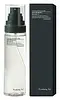
Water, Propanediol, Dipropylene Glycol, Trehalose, Butylene Glycol, Caprylyl Glycol, Hydroxyacetophenone, Pentylene Glycol, Panthenol, C12-14 Pareth-12, Sodium Citrate, Ethylhexylglycerin, Citric Acid, Disodium EDTA, Allantoin, Gluconolactone, Centella Asiatica Extract, Hamamelis Virginiana Extract, Melaleuca Alternifolia Leaf Extract, Salix Alba Bark Extract, Polyglyceryl-10 Myristate, 1,2-Hexanediol, Bambusa Vulgaris Extract, Caprylic/Capric Triglyceride, Ethylhexyl Palmitate, Cetyl Ethylhexanoate, Lonicera Japonica Flower Extract, Sodium Hyaluronate, Hydrolyzed Hyaluronic Acid, Hydroxypropyltrimonium Hyaluronate, Sodium Hyaluronate Crosspolymer, Sodium Acetylated Hyaluronate
Water
Skin ConditioningPropylene Glycol
Humectant
Lauroyl/Myristoyl Methyl Glucamide
EmollientCetearyl Alcohol
Emollient
Glyceryl Stearate Se
Emulsifying
Ethylhexyl Palmitate
Emollient
Octyldodecanol
Emollient
Ceteareth-25
CleansingPalmitic Acid
Emollient
Stearic Acid
Cleansing
Glycerin
Humectant
Aloe Barbadensis Leaf Extract
Emollient
Maltodextrin
Absorbent
Parfum
Masking
Allantoin
Skin Conditioning
Xanthan Gum
EmulsifyingLactic Acid
Buffering
Methylchloroisothiazolinone
Preservative
Methylisothiazolinone
Preservative
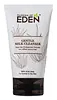
Water, Propylene Glycol, Lauroyl/Myristoyl Methyl Glucamide, Cetearyl Alcohol, Glyceryl Stearate Se, Ethylhexyl Palmitate, Octyldodecanol, Ceteareth-25, Palmitic Acid, Stearic Acid, Glycerin, Aloe Barbadensis Leaf Extract, Maltodextrin, Parfum, Allantoin, Xanthan Gum, Lactic Acid, Methylchloroisothiazolinone, Methylisothiazolinone
Reviews
Ingredients Explained
These ingredients are found in both products.
Ingredients higher up in an ingredient list are typically present in a larger amount.
Allantoin is a soothing ingredient known for its protective and moisturizing properties; it's basically a quiet workhorse ingredient you can find in a huge range of cosmetics.
Though it can be derived from the comfrey plant, allantoin is produced synthetically for cosmetic products to ensure purity.
Research shows it can encourage your skin cells to turn over and renew by stimulating keratinocyte and fibroblast proliferation.
It also has mild keratolytic properties to help loosen and shed dead skin cells without being harsh.
Studies also suggest allantoin can help calm inflammation by dialing down some of the chemical signals your skin sends out when it is irritated.
This ingredient is typically used in the 0.1-0.5% range, and the FDA recognizes it as a skin protectant in OTC products up to 2%.
Overall, allantoin is a wonderful addition to most routines; it is stable across a wide pH range (~4-8), works well with other ingredients, and is considered non-sensitizing/non-irritating.
Fun fact: Allantoin is naturally occurring in comfrey root, beets, chamomile, and wheat sprouts. Our bodies even produce it as a byproduct of uric acid metabolism.
Learn more about AllantoinEthylhexyl Palmitate, also known as octyl palmitate, is created from 2-ethylhexyl alcohol and palmitic acid.
In cosmetics, it plays many roles:
One thing worth noting: a controlled study found this ingredient applied under occlusion to acne-prone subjects increased microcomedones. Just keep in mind this was under occlusive conditions and don't reflect how most products are used day-to-day.
For most people, this is a well-tolerated and lightweight ingredient.
This ingredient may not be fungal acne safe because it is an ester of palmitic acid, a C16 fatty acid that falls within the C11-24 range that Malassezia can metabolize.
You'll see this one rated 4 comedogenic all over the internet. That number isn't from a single study, and the actual research is more interesting.
The original rating comes from 1980s rabbit ear tests (which are a shaky basis for anything). But Ethylhexyl Palmitate is one of the few ingredients with real human data behind it. A 2021 controlled trial found this ingredient increased microcomedones by an average of 365% over four weeks.
Just know that test used the pure ingredient under an occlusive pad on back skin; most products use it at much lower levels alongside other ingredients and plenty of people use those with no issue.
Learn more about Ethylhexyl PalmitateWater. It's the most common cosmetic ingredient of all. You'll usually see it at the top of ingredient lists, meaning that it makes up the largest part of the product.
So why is it so popular? Water most often acts as a solvent - this means that it helps dissolve other ingredients into the formulation.
You'll also recognize water as that liquid we all need to stay alive. If you see this, drink a glass of water. Remember to stay hydrated!
Learn more about Water


